Sunday, February 8News That Matters

Month: February 2025

Without FEMA Disaster Recovery Could Crumble, Are States Ready to Go It Alone?

Without FEMA Disaster Recovery Could Crumble, Are States Ready to Go It Alone?

Breaking News, Climate Actions, Fact Check
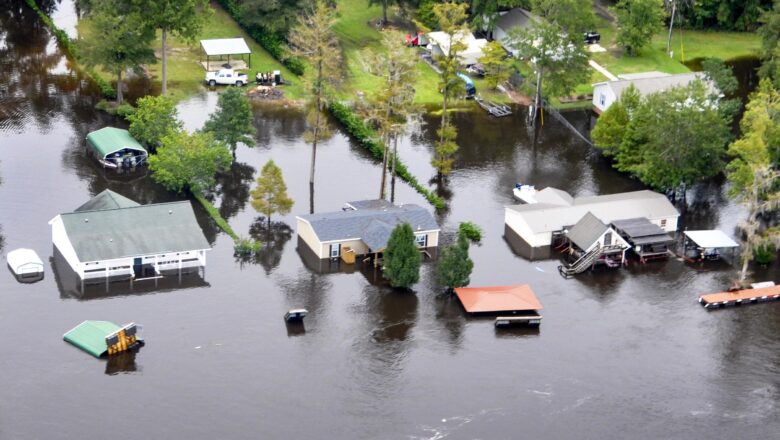
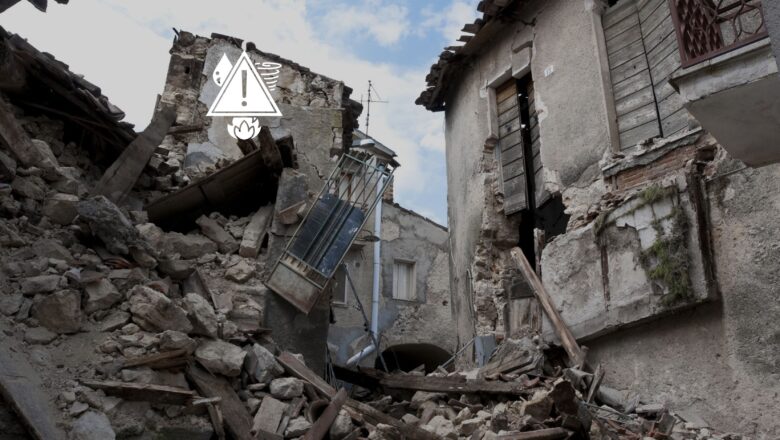
ruins and millions in urgent need of aid. In such a crisis, the Federal Emergency Management Agency (FEMA) would typically deploy supplies, financial relief, and emergency assistance within hours. But what if FEMA no longer existed, and states had to handle disasters alone? With former President Donald Trump questioning FEMA’s future and proposing that states take over disaster recovery efforts, the debate over disaster management is more relevant than ever. Climate change is driving more frequent and severe catastrophes, raising concerns about whether states could cope without federal assistance. Role of FEMA in Disaster Relief FEMA was established in 1979 to coordinate national disaster response efforts, but the federal government has been involved in relief efforts since the 18...
Rising Mega Droughts  Earth Dry Spell Expands by 12 Million Acres Annually

Rising Mega Droughts Earth Dry Spell Expands by 12 Million Acres Annually

Breaking News, Climate Actions, Disasters
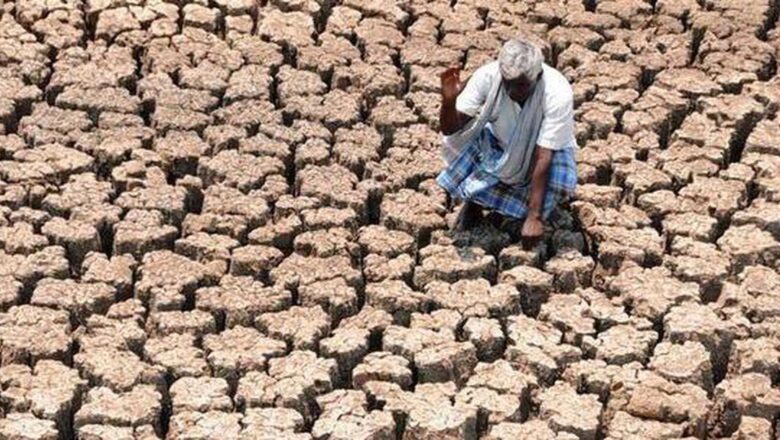
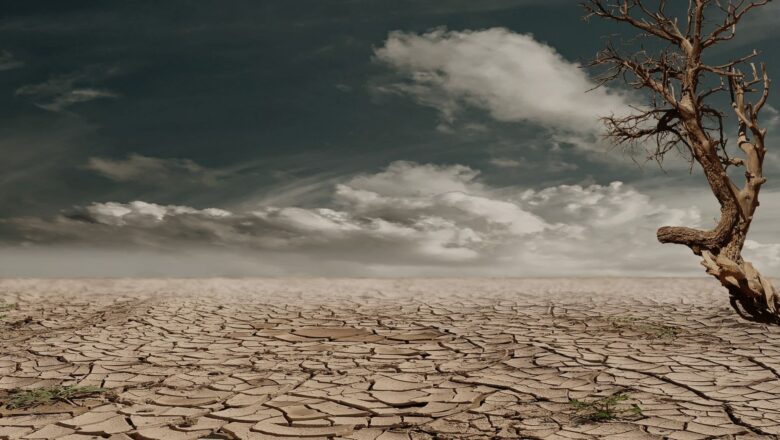
A shocking new study published in Science reveals that mega droughts severe, long-lasting dry spells are increasing at an alarming rate, expanding by 50,000 square kilometers (12 million acres) each year. These extreme droughts are depleting water sources, devastating agriculture, and fueling wildfires worldwide. Scientists have compiled the first-ever global catalog of megadroughts since 1980, ranking them by severity. "We found that these multiyear droughts are growing in size, intensity, and impact," said Pascal Buri, a glaciologist at the University of Alaska Fairbanks and one of the study’s authors. The study began with droughts in Chile, which has faced a water crisis since 2010. However, researchers soon expanded their focus and discovered droughts lasting more than two years ...
State of Emergency Declared in Santorini as Earthquake Swarm Intensifies

State of Emergency Declared in Santorini as Earthquake Swarm Intensifies

Breaking News, Climate Actions, Disasters
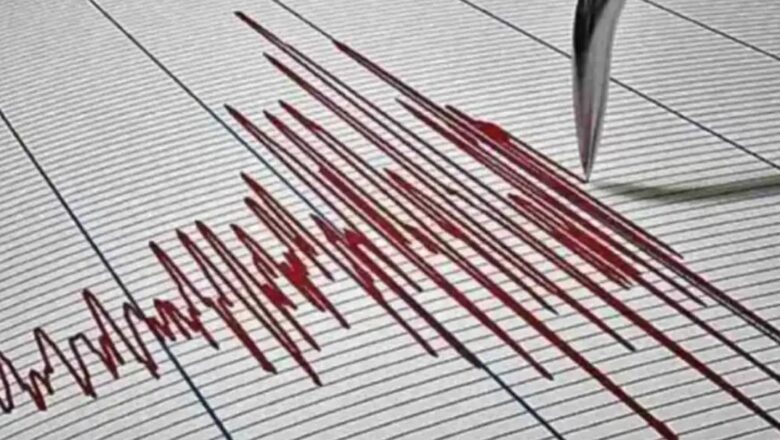
The Greek government has declared a state of emergency on the island of Santorini as the region experiences a relentless series of earthquakes. The "earthquake swarm," which began as minor tremors in late January, has escalated into a significant seismic event, shaking the island multiple times a day. The tremors are also affecting nearby islands in the Aegean Sea, with some quakes occurring just minutes apart. Escalating Seismic Activity Over the past two weeks, seismologists have recorded thousands of earthquakes, with as many as 30 daily exceeding magnitude 4.0. The largest so far, a magnitude 5.1 quake on February 6, was felt in Athens, Crete, and even parts of Turkey, more than 240 kilometers away. The earthquakes, occurring at depths of less than 10 kilometers, are shallow enou...
LA Schools Face Tough Road to Recovery After Wildfires

LA Schools Face Tough Road to Recovery After Wildfires

Breaking News, Climate Actions, Environment
As Los Angeles County students return to school after devastating wildfires, the focus is on more than just rebuilding classrooms. With over 1,000 schools closed and 600,000 students affected, the impact extends beyond lost buildings it disrupts learning, mental well-being, and the stability schools provide. Learning Loss and Emotional Recovery Past disasters show that pushing students back into classrooms too quickly can be counterproductive. Florida reopened most schools just a week after Hurricane Ian in 2022, but experts suggest emotional healing must come before academic recovery. Following Hurricane Helene in 2024, North Carolina sent over 260 counselors to support affected students. Schools integrated recovery into lessons science teachers used water testing kits to analyze...
Climate-Driven Wildfires Could Reshape Global Emissions Accounting: UN Expert

Climate-Driven Wildfires Could Reshape Global Emissions Accounting: UN Expert

Breaking News, Climate Actions, Environment, Opinions
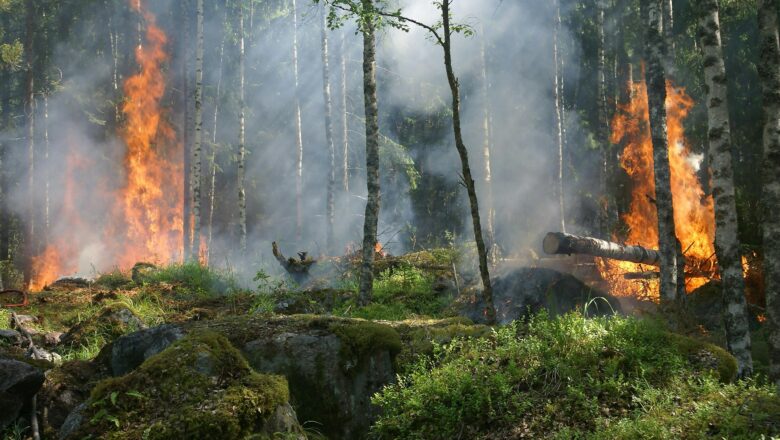
The growing impact of climate-driven wildfires is forcing a rethink in how greenhouse gas inventories calculate emissions, says Minal Pathak, an associate professor at Ahmedabad University and co-author of the United Nations Emissions Gap Report. For the first time, the 2024 report has included wildfire emissions, highlighting the complexities of accounting for these fires in global climate data. Pathak explains that wildfires are categorized as either natural or anthropogenic, with the latter resulting from activities like agricultural burning. While CO₂ from fires is often considered carbon neutral since forests can regrow and reabsorb emissions climate change is altering this balance, making it harder to predict how forests recover and store carbon. Recent wildfires in Los Angeles...
Climate Change Threatens Mediterranean Fisheries With 41% Drop in River Flow

Climate Change Threatens Mediterranean Fisheries With 41% Drop in River Flow

Breaking News, Climate Actions, Environment
A new study by European scientists warns that freshwater flowing through rivers into the Mediterranean Sea could decline by as much as 41% due to climate change. The research, published on February 3, 2025, outlines a worst-case scenario in which global temperatures rise by 4°C above pre-industrial levels, drastically altering coastal ecosystems and threatening the region’s fisheries. The decrease in river flow would reduce freshwater and nutrient inputs, leading to lower primary productivity in the Mediterranean’s marine ecosystem. This would have cascading effects on the food chain, ultimately impacting commercially valuable seafood species. "The results show that 41% less river flow could slash marine productivity by 10% and fish biomass by 6% in the Mediterranean, leading to annu...
Megadroughts Expanding Globally as Climate Warms, New Study Finds

Megadroughts Expanding Globally as Climate Warms, New Study Finds

Breaking News, Climate Actions, Disasters, Environment
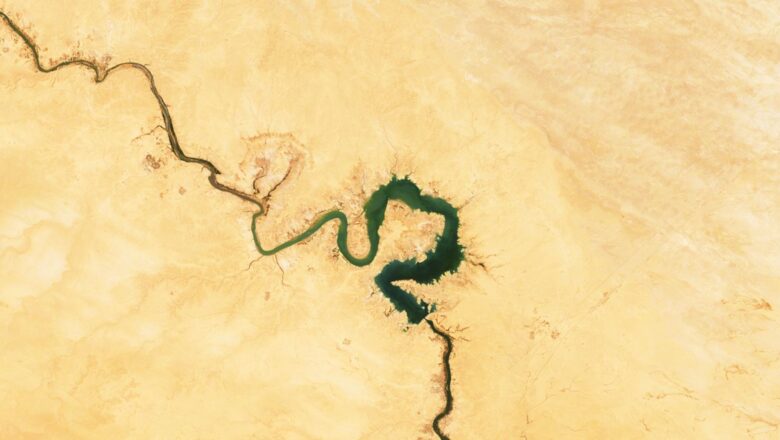
A groundbreaking study published in Science has revealed that megadroughts severe, long-lasting dry spells have been increasing in size, duration, and intensity over the past four decades. Researchers found that the total land area affected by multiyear droughts has expanded by 50,000 square kilometers (12 million acres) annually, signaling an alarming trend driven by climate change. A Comprehensive Global Drought Catalog For the first time, scientists have compiled a global catalog of long-term drought events since 1980, assessing their effects on vegetation and ranking their severity. The research, led by Liangzhi Chen of the Swiss Federal Institute for Forest, Snow, and Landscape Research WSL, identified 13,176 individual droughts lasting longer than two years between 1980 and 201...
Canada over 540,000 New Homes Built in flood-prone Areas to Tackle climate risks

Canada over 540,000 New Homes Built in flood-prone Areas to Tackle climate risks

Breaking News, Climate Actions, Learning & Developments
A groundbreaking report highlights how Canada can tackle its housing needs while avoiding catastrophic climate risks. It’s the first study in the country to quantify the economic damage of building homes in flood and wildfire-prone areas, urging a shift away from hazard zones to save billions and protect communities. The analysis warns that by 2030, over 540,000 new homes could be built in flood-prone areas, leading to $2 billion in annual damages. The financial burden will hit Manitoba and the Yukon hardest, with each new home in high-risk zones adding $1,200 per year in extra costs. The report calls for urgent action, recommending that housing developments be placed in safer areas. By planning smarter, Canada can prevent escalating disaster costs while ensuring its citizens have se...
Climate Crisis hits African Mountains Harder than Expected

Climate Crisis hits African Mountains Harder than Expected

Breaking News, Climate Actions, Environment, Learning & Developments
A new study from the University of York reveals that climate change is impacting mountain communities in equatorial Africa far more severely than previously thought, demanding urgent adaptation measures. Researchers interviewed 1,500 smallholder farmers across ten mountain regions in eight countries including Kenya, Ethiopia, Uganda, and Rwanda and found widespread reports of rising temperatures, declining rainfall, increased extreme weather, and unpredictable seasons. These shifts are disrupting agriculture, reducing crop yields, and worsening food security for millions. Communities are adapting by changing farming methods, diversifying livelihoods, and improving water and soil management, but responses vary significantly across regions. Experts stress that a one-size-fits-all appro...
Winter Chill to Deepen in Delhi-NCR as IMD Predicts Rain and Fog Across North India

Winter Chill to Deepen in Delhi-NCR as IMD Predicts Rain and Fog Across North India

Breaking News, Environment, Opinions
The winter cold is set to tighten its grip over Delhi-NCR, with temperatures expected to drop further in the coming days, according to the India Meteorological Department (IMD). Chilly northern winds are making a comeback, keeping daytime and nighttime temperatures low. Meanwhile, several states, including Uttar Pradesh, Bihar, and Rajasthan, are on alert for rain and dense fog, which could further impact visibility and travel conditions. On Wednesday, northern states enjoyed bright sunshine, but the persistent chill in the air ensured that winter conditions remained. However, the weather is expected to fluctuate, with cloudy spells and occasional temperature rises in the coming days. Thick Fog Set to Cover Delhi & Uttar Pradesh IMD forecasts that Delhi and Uttar Pradesh will ...