Sunday, February 8News That Matters

Month: March 2025

Maasai Pastoralists Fight to Protect Land as Carbon Credit Deals Raise Dispossession Fears

Maasai Pastoralists Fight to Protect Land as Carbon Credit Deals Raise Dispossession Fears

Breaking News, Climate Actions
Under the scorching sun of northern Tanzania Joseph Ole Parsaloi moves across the dry plains, guiding his cattle through the vast landscape. Like generations before him, he relies on the land for grazing but a new challenge threatens his way of life. Foreign backed carbon credit projects are imposing restrictions on traditional grazing sparking fears among the Maasai of land dispossession under the guise of climate action. For thousands of Maasai pastoralists communal grazing has been the foundation of survival. However carbon offset projects, such as the Longido and Monduli Rangelands Carbon Project and The Resilient Tarangire Ecosystem Project are changing how the land is used. Supported by international investors, these initiatives aim to store carbon in the soil by enforcing control...
South Korea Faces Worst Wildfire Crisis as Blazes Leave 18 Dead, Thousands Displaced

South Korea Faces Worst Wildfire Crisis as Blazes Leave 18 Dead, Thousands Displaced

Breaking News, Climate Actions, Disasters
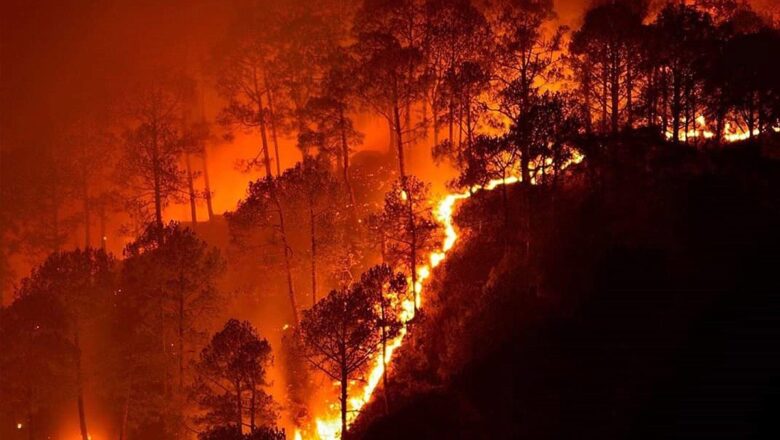
South Korea is battling its deadliest wildfire outbreak, with at least 18 fatalities and 19 injuries reported as flames continue to consume vast areas of the country's southeastern regions. The fires, which erupted on March 21 in Sancheong County, have spread rapidly to Uiseong, Andong, Cheongsong, Yeongyang, and Yeongdeok, forcing over 23,000 people to evacuate. Acting President Han Duck-soo described the situation as “unprecedented”, marking a historic wildfire disaster in a country where such fires are relatively rare. The National Fire Agency has escalated its response to the highest emergency level, deploying thousands of firefighters, 5,000 military personnel, and US military helicopters to combat the blazes. Among the devastation is Gounsa Temple1,300-year-old Buddhist site, w...
Bengaluru Student Study Shows Rejuvenating Lakes Can Solve Water Crisis

Bengaluru Student Study Shows Rejuvenating Lakes Can Solve Water Crisis

Breaking News, Climate Actions, Fact Check
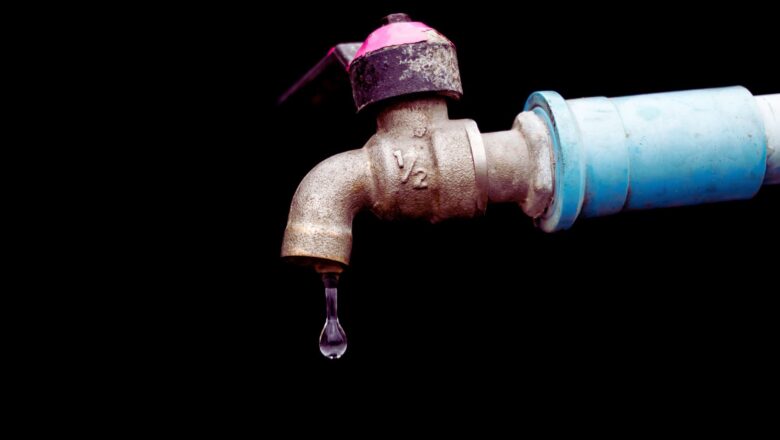
Once known as the ‘City of Lakes’, Bengaluru now faces severe water shortages with demand outstripping supply as rapid urbanisation takes its toll. However student-led research project under the Anveshana initiative suggests that restoring the city’s historical lake system could help achieve water self-reliance. Historically Bengaluru’s lakes functioned as interconnected reservoirs storing rainwater and supporting agriculture drinking water needs, and groundwater recharge. They also helped control floods by gradually releasing excess rainfall. However over the decades, urbanisation and groundwater extraction led to widespread lake neglect and encroachment, with many turning into sewage dumps. The city, now reliant on importing water from the Cauvery River, faces a growing demand-supp...
Maasai Pastoralists Resist Carbon Credit Projects Amid Land Dispossession Fears

Maasai Pastoralists Resist Carbon Credit Projects Amid Land Dispossession Fears

Breaking News, Climate Actions
Across the sun-scorched plains of northern Tanzania, Maasai pastoralists are fighting to protect their ancestral lands from a new threat: carbon credit projects. Global investors, backed by multinational corporations, are securing deals to use Tanzanian grazing lands for carbon storage, promising economic and environmental benefits. But for Maasai communities, these projects feel like a modern land grab, threatening their traditional way of life. A Disguised Land Grab? Over two million hectares of Maasai land have been targeted by carbon offset initiatives, including the Longido and Monduli Rangelands Carbon Project supported by Volkswagen ClimatePartners, and The Resilient Tarangire Ecosystem Project backed by The Nature Conservancy. Under these schemes traditional Maasai grazing...
Extreme Weather Drove 20% of Energy Demand Growth in 2024: IEA Report

Extreme Weather Drove 20% of Energy Demand Growth in 2024: IEA Report

Breaking News, Climate Actions, Fact Check
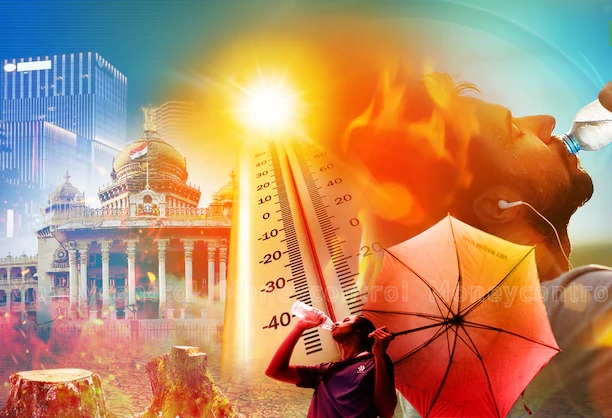
A surge in global temperatures and extreme weather events drove a 20% increase in natural gas and electricity demand in 2024, contributing to a rise in coal consumption, according to the Global Energy Review 2025 released by the International Energy Agency (IEA) on March 24, 2025. Soaring Electricity Demand Global electricity consumption grew by 4.3% in 2024, nearly doubling the 2.5% growth recorded in 2023. The main drivers were: Increased cooling demand due to extreme heatwaves, particularly in China, India, and the U.S. Industrial expansion, especially in electro-intensive manufacturing Electrification of transport, with electric vehicle (EV) sales rising by over 25%, surpassing 17 million units Booming data centres, requiring massive power consumption The buildin...
Rising Heat Poses New Threat to Bangladesh’s Fight Against Child Stunting

Rising Heat Poses New Threat to Bangladesh’s Fight Against Child Stunting

Breaking News, Climate Actions, Fact Check
Bangladesh has made remarkable strides in reducing childhood stunting, cutting rates from 42% in 2012 to 28% in 2019. However™a new less understood threat looms climate change. Could rising temperatures erase years of progress in child health and nutrition? A recent study, Extreme Heat Exposure in the First 1,000 Days: Implications for Childhood Stunting in Bangladesh, has drawn a direct link between heat exposure during early childhood and stunting. It found that a 1% increase in extreme heat days raises the odds of stunting by 56%, with heat exposure after birth having a 67% stronger effect than in utero exposure (28%). How Heat Impacts Child Growth Extreme heat disrupts critical biological processes in both mothers and children: Pregnant women exposed to heat suffer from r...
World Meteorological Day Highlights Urgency of Closing Early Warning Gap

World Meteorological Day Highlights Urgency of Closing Early Warning Gap

Breaking News, Climate Actions, Tech
Celebrations for World Meteorological Day took place worldwide today, focusing on closing the early warning gap and strengthening resilience against extreme weather. Organized by national weather services, events included a gathering at WMO headquarters in Geneva. Though the official day falls on March 23, global discussions continued into Monday. Progress in Early Warnings for All The UN Early Warnings for All (EW4All) initiative, launched at COP 28, aims to bring the world’s population under a protective early-warning system by 2027. Now at its halfway point, the initiative has seen major progress: In 2023, 108 countries reported having some capacity for multi-hazard early warning systems more than double the 52 countries in 2015. The initiative has saved lives, protected liv...
ADB Triple A Initiative Securing the Future of Atoll Nations Amid Climate Crisis

ADB Triple A Initiative Securing the Future of Atoll Nations Amid Climate Crisis

Breaking News, Climate Actions
Kiribati, Maldives, Marshall Islands, and Tuvalu four atoll nations at the frontline of climate change are facing an existential threat from rising sea levels, coastal erosion and freshwater scarcity. With a combined population of over 700,000 people living on just 1,300 km² of land, these nations are among the world’s most vulnerable to climate risks. Without urgent intervention, projections suggest sea levels could rise by up to 1 meter by 2100, putting large portions of these islands at risk of permanent inundation. In response, the Asian Development Bank (ADB) has launched the Triple A “Accelerating Atoll Adaptation” Initiative, a transformational adaptation strategy designed to strengthen the climate and disaster resilience of these nations. The Socioeconomic Threat of Climate C...
WMO 2024 Climate Report Warns of Unprecedented Heat Surging Greenhouse Gases and Rising Seas

WMO 2024 Climate Report Warns of Unprecedented Heat Surging Greenhouse Gases and Rising Seas

Breaking News, Climate Actions
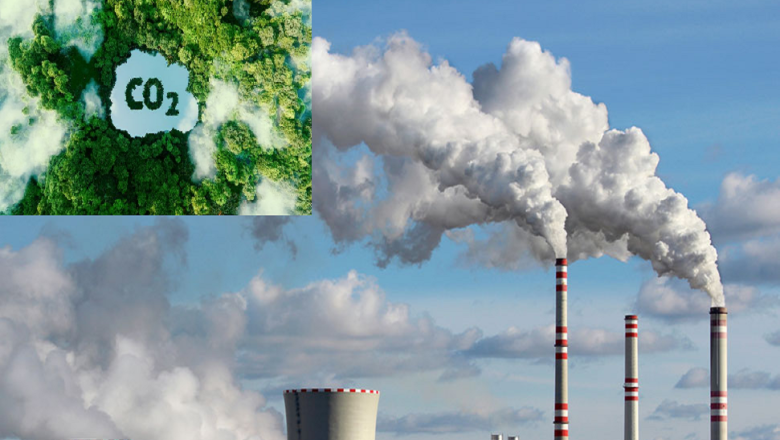
The State of the Climate Report 2024 released by the World Meteorological Organization (WMO) delivers a stark warning: the world is on the verge of surpassing critical climate thresholds, with global temperatures, greenhouse gas concentrations, and sea levels reaching unprecedented levels. According to the report, carbon dioxide (CO₂), methane (CH₄), and nitrous oxide (N₂O) levels are now at their highest in 800,000 years, driving the planet towards dangerous warming. The data suggests that 2024 could be the first full calendar year to exceed 1.5°C above pre-industrial levels, a limit scientists have long warned could trigger catastrophic climate consequences. Oceans at a Boiling Point The relentless accumulation of heat in the world’s oceans has shattered records once again fueli...
Nepal Sagarmatha Sambaad Set to Tackle Climate Crisis Invite Global Leaders Amid Rising Environmental Concerns

Nepal Sagarmatha Sambaad Set to Tackle Climate Crisis Invite Global Leaders Amid Rising Environmental Concerns

Breaking News, Climate Actions, Environment
Nepal is gearing up to host its much-anticipated international dialogue, Sagarmatha Sambaad, from May 16 to 18 bringing together world leaders foreign ministers and experts to address the escalating climate crisis. The forum originally planned for 2020 but postponed due to the COVID-19 pandemic aims to spark crucial discussions on climate change climate justice, and its devastating impacts on mountainous nations. During a media briefing in Kathmandu, Amrit Bahadur Rai, Secretary at Nepal’s Ministry of Foreign Affairs, revealed that heads of state, foreign ministers, and ministers of forest and environment from various countries have been invited. While the list of attendees has yet to be finalized he confirmed that continuous dialogue is underway with different governments and internati...