Sunday, February 8News That Matters

Month: March 2025

Earth Drying Up UN Report Warns of Expanding Drylands and Looming Crisis

Earth Drying Up UN Report Warns of Expanding Drylands and Looming Crisis

Breaking News, Climate Actions
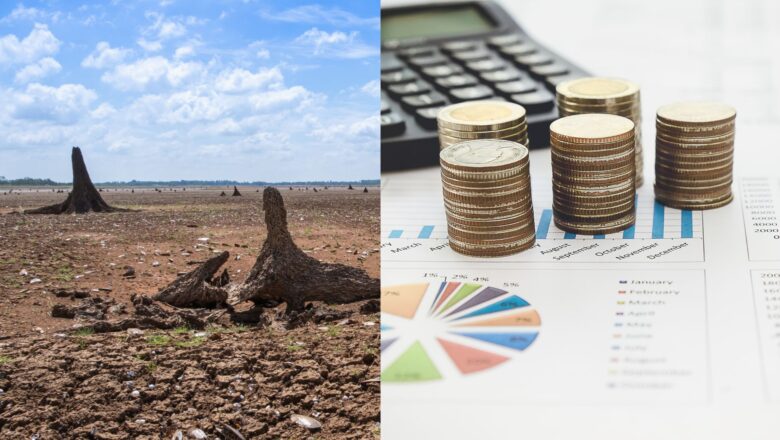
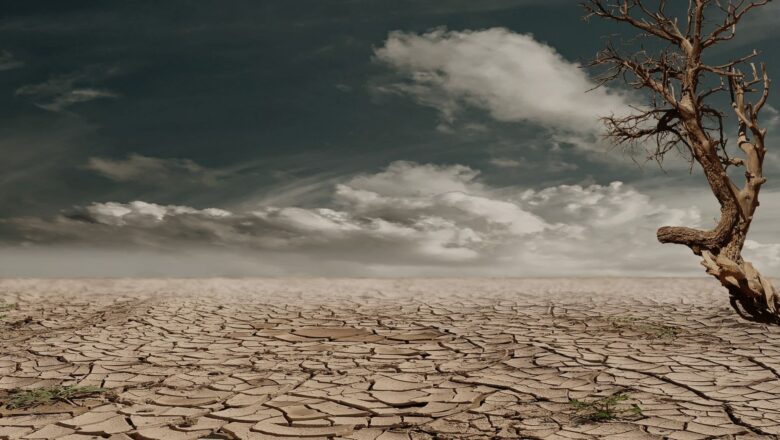
A 2024 UN report has revealed a troubling trend Earth is becoming increasingly dry as global temperatures rise. Over the past three decades, more than three-fourths of the world’s land has become drier compared to the previous 30 years. Today drylands cover 40.6% of the planet’s landmass, excluding Antarctica. As these regions expand number of people living in drylands has doubled to 2.3 billion making up over a quarter of the global population. If climate change continues at its current pace this number could soar to 5 billion by 2100. Drylands Expanding Across Continents The drying trend is being observed worldwide, from the western United States to Brazil, Europe, Asia, and central Africa. Scientists warn that without significant reductions in greenhouse gas emissions, an addition...
Rethinking Flood Control Letting Rivers Roam Freely for a Sustainable Future

Rethinking Flood Control Letting Rivers Roam Freely for a Sustainable Future

Breaking News, Disasters, Fact Check
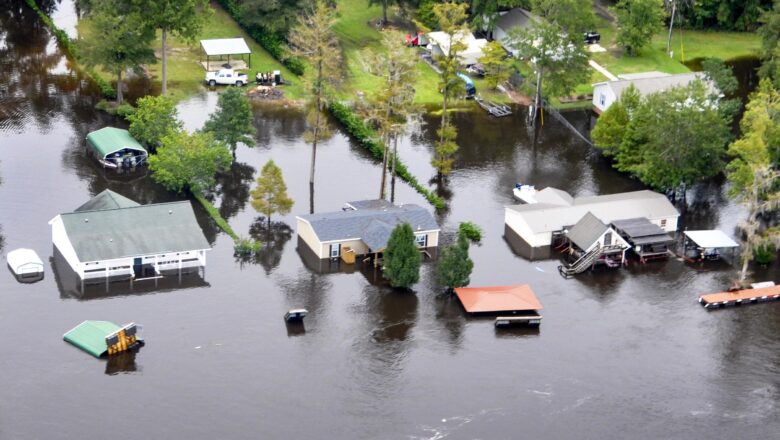
Traditional flood management relies on higher stop banks, stronger levees, and concrete barriers to contain rising waters. But what if the best solution isn’t to confine rivers but to give them more space to move naturally? This alternative approach is gaining traction as a sustainable method to mitigate flood risks while providing crucial ecological benefits. Climate change is intensifying extreme weather events, making floods more frequent and severe. In places like Aotearoa New Zealand, decades of river confinement through artificial channels and land development have worsened flood risks. Restricting rivers transfers flood dangers downstream, increasing water speed and pressure while disrupting ecosystems that rely on natural water flow. Historically floodplain rivers have been d...
Rising Temperatures Rising Heart Risks: How Extreme Heat Strains the Heart

Rising Temperatures Rising Heart Risks: How Extreme Heat Strains the Heart

Breaking News, Climate Actions, Fact Check
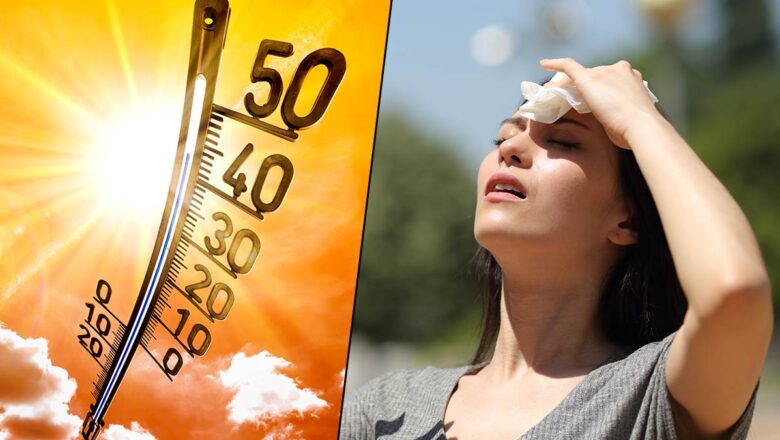
For years scientists have studied how heat affects the human heart. However new research suggests that the most commonly used testing methods may not accurately reflect what happens during real-world heat waves. As climate change drives global temperatures higher understanding the true impact of extreme heat on heart function has become more crucial than ever. A groundbreaking study has uncovered key insights into how the human heart responds to heat stress. This findings could reshape how health agencies protect vulnerable populations during extreme weather events. The study analyzed data from over 400 laboratory studies involving more than 6,800 participants, revealing significant differences in how heating methods influence heart performance. Researchers find that exposure to enca...
Himalayan Glaciers Melting Rapidly Raising Risks for 2 Billion People

Himalayan Glaciers Melting Rapidly Raising Risks for 2 Billion People

Breaking News, Climate Actions, Fact Check
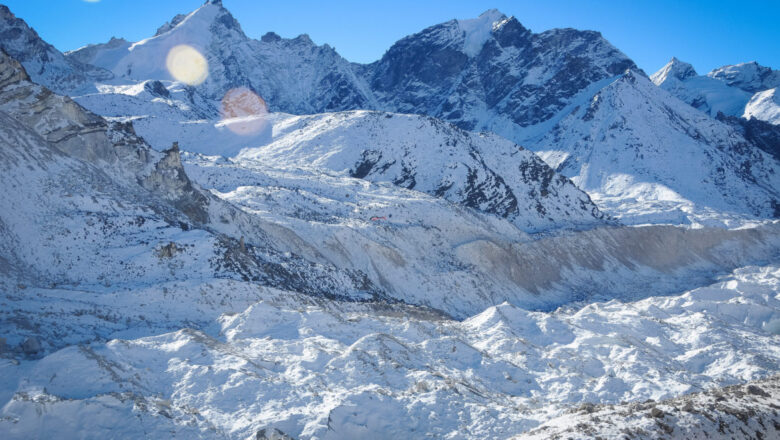
Glaciers in the Hindu Kush Himalayas, a crucial freshwater source for nearly 2 billion people are melting at an alarming rate, heightening the risk of floods, landslides and infrastructure damage across Asia. The region home to the world's largest ice reserves outside the polar areas is experiencing glacial melt 65% faster than in the previous decade with the risk of glacial lake outburst floods (GLOFs) projected to triple by the century’s end. The impact is already being felt. In August last year, a glacial lake in Nepal's Everest region burst its banks unleashing a destructive flood in Thame village. Homes, farms, a school, and a hydropower plant were damaged, but timely evacuation saved lives. With such disasters set to become more frequent, governments and international organization...
Cambridge AI Weather System ‘Aardvark’ Revolutionizes Forecasting

Cambridge AI Weather System ‘Aardvark’ Revolutionizes Forecasting

Breaking News, Climate Actions, Idea & Innovations, Tech
A breakthrough artificial intelligence system developed by researchers at the University of Cambridge is set to redefine weather forecasting. The AI model, named Aardvark Weather, delivers highly accurate predictions tens of times faster than current forecasting methods while using significantly less computing power. Supported by the Alan Turing Institute, Microsoft Research, and the European Centre for Medium-Range Weather Forecasts (ECMWF), Aardvark has the potential to transform global weather prediction, researchers say. The findings were recently published in Nature. "Aardvark reimagines current weather prediction methods, offering faster, cheaper, more flexible, and more accurate forecasts than ever before," said Professor Richard Turner from Cambridge’s Department of Engineeri...
Study Discovered New Methods to Predict Unrecorded Extreme Weather Events

Study Discovered New Methods to Predict Unrecorded Extreme Weather Events

Breaking News, Climate Actions, Idea & Innovations, Learning & Developments
A groundbreaking study published in Nature Communications reveals how communities can anticipate extreme weather events that have never been recorded in modern history. Researchers from the Climate Adaptation Services Foundation the University of Reading, and international institutions have developed new techniques that go beyond conventional weather records, which typically span only the last century. The study highlights how nature's archives such as tree rings combined with forgotten historical documents can unlock centuries of missing climate data. Lead author Timo Kelder "We've been limited by thinking extreme weather is only as bad as what we've measured since weather stations were invented, But our research shows we can use weather models to look back hundreds or even thousands o...
New Global Tool and Finance Report Boosts Investment in Nature Based Climate Solutions

New Global Tool and Finance Report Boosts Investment in Nature Based Climate Solutions

Breaking News, Climate Actions, Environment
A newly launched Global Tool and Finance Report, developed by the University of Oxford’s Environmental Change Institute (ECI) and the Global Center on Adaptation (GCA), aims to scale investment in nature-based solutions (NbS) for climate-resilient infrastructure. Nature-based solutions play a crucial role in climate adaptation by strengthening resilience mitigating climate impacts, and supporting biodiversity. A UNEP report highlights that NbS influence up to 79% of Sustainable Development Goal targets. However, funding remains insufficient, with UNEP estimating that global investment in NbS needs to nearly triple to $542 billion by 2030 to meet critical biodiversity and climate targets. Finance Report: Unlocking Private Investment for NbS The Finance Report, led by researchers Ni...
Glacial Melt Crisis Rising Risks of Lake Outburst Floods

Glacial Melt Crisis Rising Risks of Lake Outburst Floods

Breaking News, Climate Actions
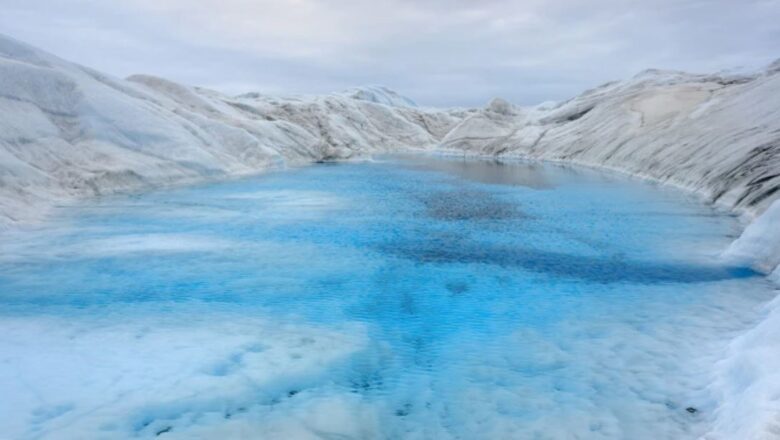
The Great Aletsch Glacier in Switzerland’s Canton of Valais is among the fastest-melting World Heritage sites, highlighting a growing crisis in mountain regions worldwide. As global temperatures rise glaciers are retreating at alarming rates Europe Alps and Pyrenees alone have lost 40% of their glacier volume since 2000. Nearly 2 billion people rely on glaciers for freshwater, but their rapid melting now poses deadly threats. As glaciers melt water collects in depressions once occupied by ice, forming unstable lakes. Many are held back by fragile ice dams or rock moraines. A sudden water surge, landslide or earthquake can trigger a catastrophic outburst flood, sending torrents of water and debris crashing down mountain valleys. In October 2023 glacial lake outburst flood in the Himal...
Warming Climate Shrinks Crop Diversity Threatens Global Food Security

Warming Climate Shrinks Crop Diversity Threatens Global Food Security

Breaking News, Climate Actions, Learning & Developments
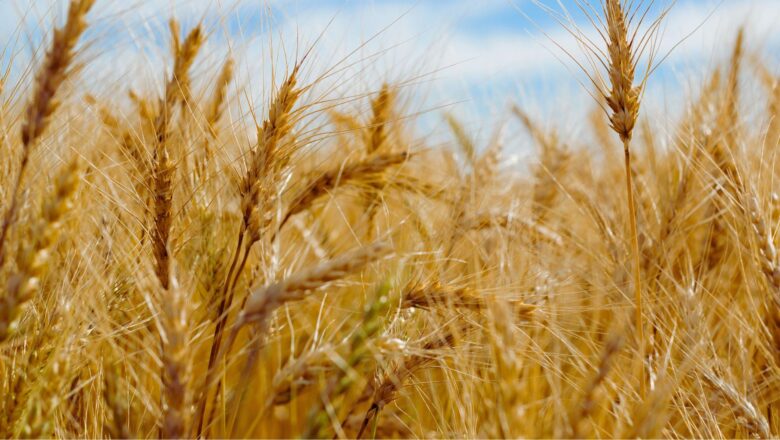
A new study published in Nature Food warns that more than half of the world’s cropland could see a decline in suitable crops if global temperatures rise by 2°C. Researchers examined how climate change would affect 30 major crops under four warming scenarios, from 1.5°C to 4°C above pre-industrial levels. The study finds that even at 1.5°C of warming, over half of the analyzed crops including wheat, barley, lentils, and potatoes would experience a net loss in potential cropland. At 3°C, all 30 crops would suffer declining suitable areas, with some reductions surpassing 50%. While warming will shrink crop diversity in tropical regions it may allow for expanded farming options in temperate zones offering adaptation opportunities. Regions near the equator such as sub-Saharan Africa and S...
Himalaya Glaciers Vanishing at Alarming Rate Melting 65% Faster as Climate Crisis Worsens

Himalaya Glaciers Vanishing at Alarming Rate Melting 65% Faster as Climate Crisis Worsens

Breaking News, Climate Actions
  Glaciers across the globe are shrinking at an unprecedented pace, with the Hindu Kush Himalaya (HKH) region witnessing the most dramatic losses, retreating 65% faster in 2011-2020 than in the previous decade, according to a United Nations report released on the World Day for Glaciers. The Asia-Pacific region, home to some of the world’s highest mountains and vast glacier systems, is one of the most vulnerable to climate change. Spanning five million square kilometers of high-altitude terrain, the HKH region contains nearly 100,000 square kilometers of glaciers, often referred to as the “Third Pole” due to its immense ice reserves outside the Arctic and Antarctic. This region serves as a crucial water source, feeding ten major river systems and sustaining nearly two billion...