Sunday, February 8News That Matters

Month: June 2025

Wildfires Leave Long Term Water Pollution Across Western U.S Study Finds

Wildfires Leave Long Term Water Pollution Across Western U.S Study Finds

Breaking News
A major new study has revealed that wildfires continue to pollute rivers and streams across the western United States for up to eight years after they occur far longer than previously believed. The research, published in Nature Communications Earth & Environment analyzed over 100,000 water samples from more than 500 watersheds and provides the first large-scale assessment of post-wildfire water quality in the region. The study found that key contaminants such as organic carbon, nitrogen, phosphorus and sediment remain elevated in rivers long after the fires are extinguished. In many areas, these pollutants significantly worsen water quality for several years, particularly in heavily forested regions where the impact is most severe. The research team compared data from burned wate...
Shrinking Cloud Cover Intensifies Global Warming, NASA-Led Study Reveals

Shrinking Cloud Cover Intensifies Global Warming, NASA-Led Study Reveals

Breaking News
At any given time nearly two-thirds of Earth surface is blanketed by clouds. These clouds play a critical role in moderating the planet’s temperature by reflecting sunlight away before it reaches the ground. But as global temperatures rise driven by the continued buildup of greenhouse gases from human activities cloud patterns are shifting in a way that is amplifying the warming trend. A recent NASA-led study from the Goddard Institute for Space Studies has found that this change in cloud behavior may be contributing significantly to the planet’s faster-than-expected temperature rise in recent years. The researchers discovered that the most reflective cloud zones are shrinking, while areas covered by less reflective, broken cloud types are expanding. This shift is allowing more sunlight...
New Data Show Faster Warming Shrinking Carbon Budget, and Accelerating Sea Level Rise

New Data Show Faster Warming Shrinking Carbon Budget, and Accelerating Sea Level Rise

Breaking News
The latest climate update paints a stark picture of a planet heating faster than previously projected with cloud feedbacks, declining aerosol pollution and persistent greenhouse gas emissions driving an accelerating imbalance in Earth climate system. This update, which builds on the findings of the IPCC Sixth Assessment Report (AR6), reveals that radiative forcing the measure of human-driven heat trapped in Earth’s atmosphere has risen by 9% since 2019, reaching 2.97 W/m² in 2024. This surge in radiative forcing is contributing to a rapid drawdown of the remaining carbon budget the limit of how much CO₂ can be emitted while still having a chance to stay below 1.5°C of global warming. As of early 2025, only around 130 billion tonnes of CO₂ remain in this budget. At the current pace of em...
Brazil Worst Fire Year on Record 62% of Pantanal Burnt as Climate Change

Brazil Worst Fire Year on Record 62% of Pantanal Burnt as Climate Change

Breaking News
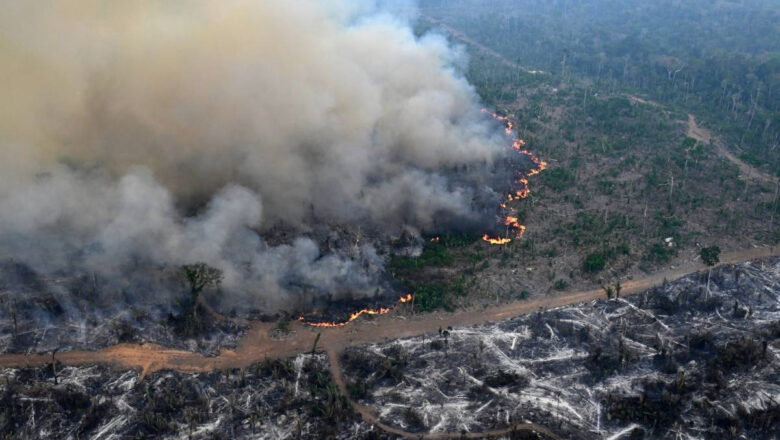
Brazil experienced its most devastating wildfire year in 2024 with over 30.87 million hectares of land scorched an area equivalent to the size of Italy. The MapBiomas Fire Annual Report revealed that a dangerous mix of prolonged drought, high temperatures, flammable vegetation, and human-induced fire use created the perfect storm for widespread blazes across all six of Brazil’s major biomes. Pantanal, the world's largest tropical wetland, suffered the worst damage, with 62% of its area burned at least once since 2019. Fires consumed 93% of native vegetation, and the area burnt in 2024 rose 157% above historical averages. Recurrent droughts around the Paraguay River including one that began after the last major flood in 2018, worsened the situation. Overall, 2024 saw a 287% increase i...
Cargo Ship ‘Morning Midas’ Carrying 800 EVs Sinks After Fire in Pacific Ocean

Cargo Ship ‘Morning Midas’ Carrying 800 EVs Sinks After Fire in Pacific Ocean

Breaking News
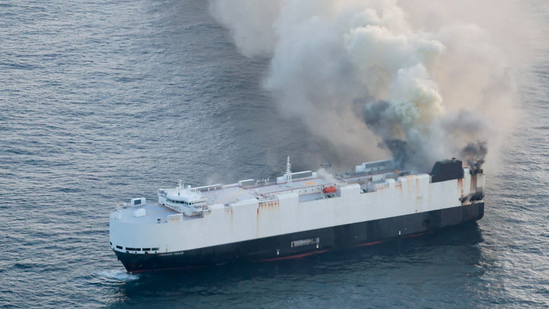
The cargo vessel Morning Midas, which caught fire earlier this month while transporting nearly 3,000 vehicles including 800 electric vehicles (EVs) has sunk in the Pacific Ocean, the ship’s management confirmed. According to Zodiac Maritime, the ship's manager, the vessel went down at 16:35 local time (UTC -9) on June 23, approximately 360 nautical miles from land and in waters about 5,000 metres deep. “Damage caused by the fire, compounded by heavy weather and subsequent water ingress, caused the Morning Midas to sink,” the company stated. Timeline of the Incident The Morning Midas, a 600-foot car and truck carrier built in 2006 and sailing under the Liberian flag, was en route from Yantai, China, to Lazaro Cardenas, Mexico, when it caught fire on June 3 off the coast of Alaska’...
War Hidden Wound: How Global Conflicts Are Heating the Planet and Poisoning the Earth

War Hidden Wound: How Global Conflicts Are Heating the Planet and Poisoning the Earth

Breaking News
While the world watches the humanitarian crises unfold in Ukraine, Gaza, Iran, and Israel, a quieter yet devastating consequence of modern warfare is taking root the environmental destruction that lingers long after the bombs stop falling. From scorched oil refineries to missile-induced pollution, today’s conflicts are unleashing climate damage on a massive scale. Military activities are responsible for an estimated 5.5% of total global greenhouse gas emissions enough to make armed forces the fourth-largest polluter on Earth if counted as a single nation. Yet, these emissions are not routinely tracked or reported under global climate agreements. In June 2025, Israeli airstrikes on Iranian nuclear sites, including Natanz and Fordow, sparked fears of a potential radiological disaster. ...
Coal Banks Indian Lenders Face Climate Criticism Over $29 Billion Fossil Fuel Ties

Coal Banks Indian Lenders Face Climate Criticism Over $29 Billion Fossil Fuel Ties

Breaking News
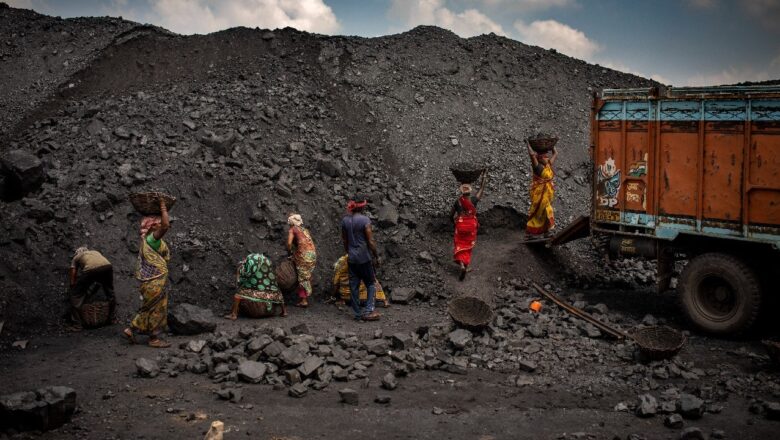
A new report has flagged India top banks including SBI, ICICI Bank, and Axis Bank for their deep financial entanglement with the coal sector, hindering the country’s transition to clean energy. The analysis by Bengaluru-based think tank Climate Risk Horizons reveals that Indian banks have poured nearly $29 billion into coal between 2016 and 2023 through loans and underwriting, placing India among the top seven nations globally in coal financing from 2021 to 2023. The State Bank of India emerged as the leading public sector lender, while private banks like Axis and ICICI played a key role in underwriting, a process that enables coal companies to raise capital without banks directly carrying long-term risks. Interestingly, public banks accounted for 68% of coal loans, while private banks ...
4.2 Magnitude Earthquake Strikes Andaman Sea

4.2 Magnitude Earthquake Strikes Andaman Sea

Breaking News
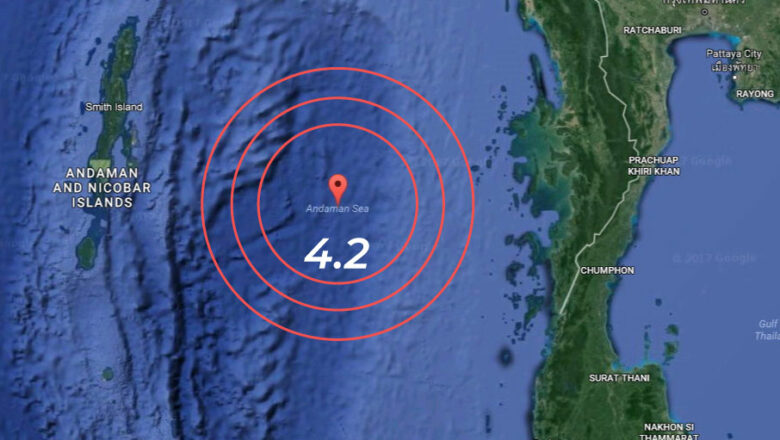
A moderate earthquake measuring 4.2 on the Richter scale struck the Andaman Sea in the early hours of Wednesday, the National Centre for Seismology (NCS) reported. According to NCS, the tremor occurred at 1:43 AM IST at a depth of 20 kilometres, with the epicentre located at latitude 9.46°N and longitude 94.07°E. The quake was confirmed via a post on NCS's official handle on X (formerly Twitter). “EQ of M: 4.2, On: 25/06/2025 01:43:50 IST, Lat: 9.46 N, Long: 94.07 E, Depth: 20 Km, Location: Andaman Sea,” the NCS said. There have been no immediate reports of damage to property or loss of life, and further assessments are currently underway. The Andaman and Nicobar region, lying near seismic fault lines, frequently experiences mild to moderate seismic activity. Authorities contin...
Why Kerala Gets the First Monsoon Showers Every Year

Why Kerala Gets the First Monsoon Showers Every Year

Breaking News
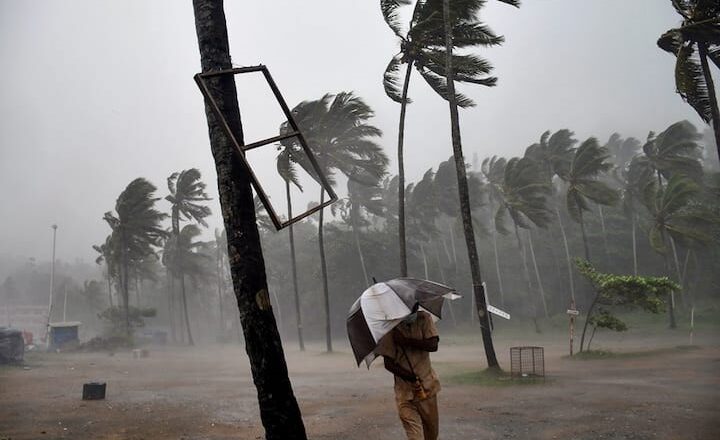
As the scorching summer sun blazes across India, everyone waits for a cool, refreshing change the arrival of the monsoon. And guess where the first drops of rain fall? That’s right Kerala, the green and beautiful state often called God’s Own Country. But have you ever wondered why the monsoon begins in Kerala? Every year around June, the Southwest Monsoon begins its journey from the Indian Ocean. As the air above the Indian subcontinent heats up, it rises, creating space for cool, moist winds from the Arabian Sea to rush in. These winds are packed with rain clouds, traveling from the southwest and bringing with them the promise of rain. Why Kerala is the First Stop Kerala sits right on the southwestern edge of India, making it the first piece of land that these monsoon winds hit. B...
J&K Floods Prompt Urgent Rescue as Heavy Rains Disrupt Life Across Northern India

J&K Floods Prompt Urgent Rescue as Heavy Rains Disrupt Life Across Northern India

Breaking News
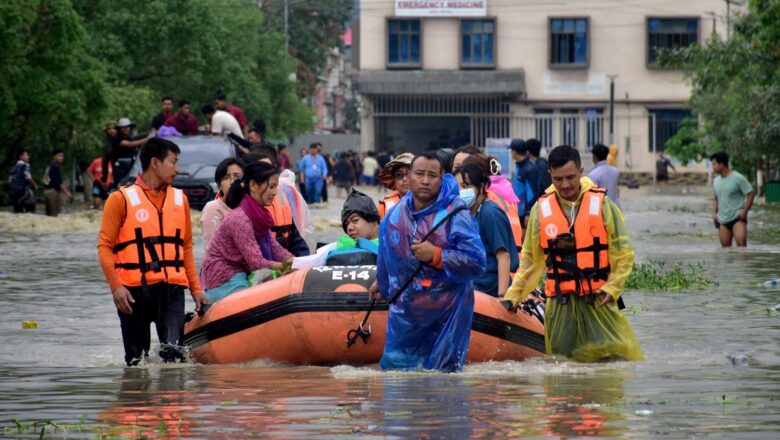
A man stranded in Jammu River Tawi amid rising water levels was dramatically rescued on Wednesday by the State Disaster Response Force (SDRF), as heavy overnight rainfall triggered flood-like conditions and landslides across Jammu and Kashmir. The man was trapped near the riverbanks as water surged following intense rainfall. SDRF personnel acted quickly, descending the riverbank stairs and navigating strong currents to carry out the rescue which was captured on video and shared widely by news agencies. Landslides Cut Off Key Highway In another incident, a landslide blocked traffic on the vital Jammu-Srinagar National Highway, particularly around Chanderkote, Mehar, and the T2 Tunnel. Authorities have halted vehicular movement until clearance operations can ensure safe passage. The ...