Sunday, February 8News That Matters

Month: October 2025

India Growing Garbage Crisis: From Landfills to Lost Opportunities

India Growing Garbage Crisis: From Landfills to Lost Opportunities

Breaking News
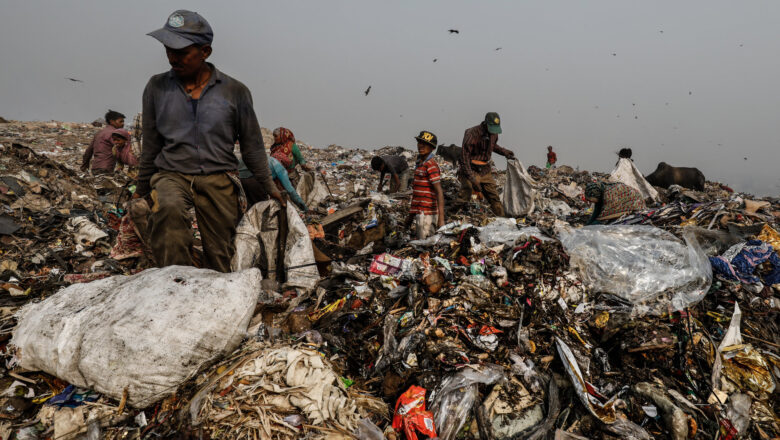
India garbage crisis is spiraling into one of its most visible and persistent environmental failures. In cities like Mumbai, Delhi, Bengaluru, and Chennai, towering landfills have become grim symbols of neglect. One such mountain of waste in Delhi now stands 65 metres tall a literal monument to mismanagement. The country generates around 62 million tonnes of waste each year, a figure projected to rise to a staggering 436 million tonnes by 2050. Despite having over 2,500 official landfills and countless unofficial dumpsites, nearly 80 percent of the waste that reaches these sites remains unprocessed. Organic waste rots and releases methane, while plastic waste lingers for centuries. Yet, policy discussions continue to focus more on carbon emissions than on the growing piles of garbage po...
India Climbs to 9th Spot Globally in Forest Area, Maintains 3rd in Annual Forest Gain

India Climbs to 9th Spot Globally in Forest Area, Maintains 3rd in Annual Forest Gain

Breaking News
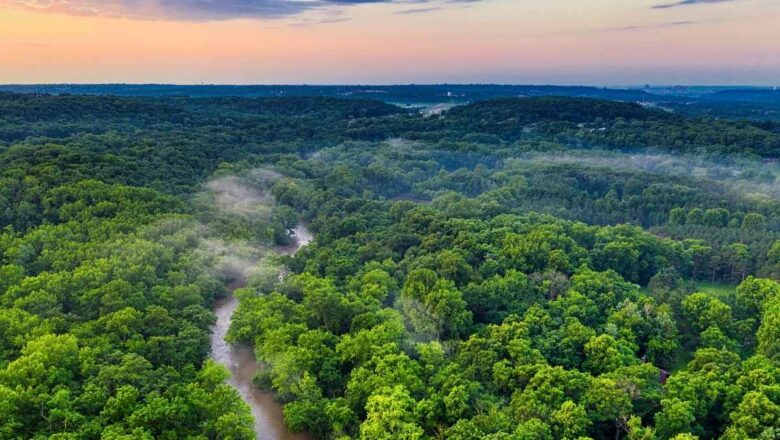
India has moved up one position to rank ninth in the world for total forest area, according to the Global Forest Resources Assessment (GFRA) 2025 released by the Food and Agriculture Organization (FAO) in Bali. The country has also retained its third-place position globally in annual forest area gain, marking a major stride in environmental conservation and sustainable forest management. As per the latest assessment, India’s forest cover stands at 72.7 million hectares. Environment Minister Bhupender Yadav hailed the achievement as a significant milestone, crediting it to the Modi government’s sustained efforts in forest protection, afforestation, and community-driven environmental action. Globally, Russia leads with the largest forest area at 832.6 million hectares, followed by Braz...
Breathless Diwali: Crackers Debate Sparks Clash Between Faith and Air Quality in Delhi

Breathless Diwali: Crackers Debate Sparks Clash Between Faith and Air Quality in Delhi

Breaking News
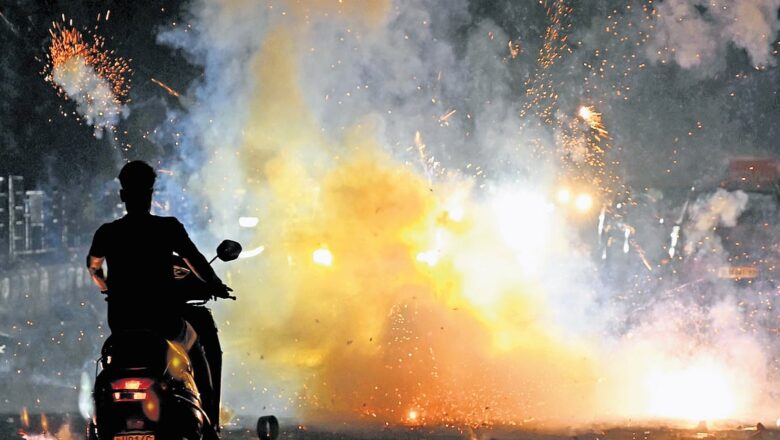
As Delhi continues to gasp under layers of toxic smog, journalist Rajdeep Sardesai’s opinion piece “Breathless on Diwali: Banning crackers isn’t ‘anti-Hindu’, polluted air is” reignites the debate between religious expression and public health. Each year, the Diwali week turns the national capital into one of the world’s most polluted cities, worsening respiratory illnesses. Despite Supreme Court restrictions on bursting crackers beyond 10 pm, enforcement remains weak. “We are trying, but people don’t listen,” a weary constable reportedly told Sardesai on Diwali night as loud explosions filled the air. This year, the Supreme Court, led by Chief Justice B.R. Gavai, lifted the blanket ban on firecrackers, citing a need to balance cultural traditions and regulation. However, Sardesai ar...
Rising Heat Threatens Latin American Cities: Urgent Call for Climate Resilient Urban Action

Rising Heat Threatens Latin American Cities: Urgent Call for Climate Resilient Urban Action

Breaking News
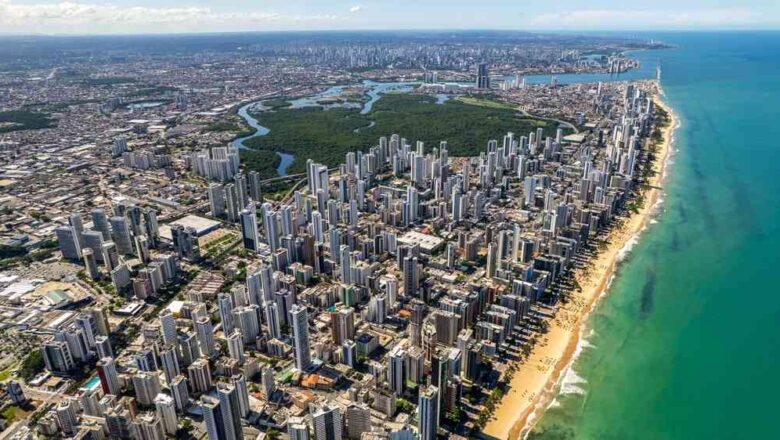
Cities across Latin America and the Caribbean are heating up at an alarming rate. Since 1950, average urban temperatures have risen by as much as 1.5°C, leading to a surge in heatwaves and record-breaking hot days. This escalating crisis, detailed in the World Bank report Uninhabitable Confronting Extreme Urban Heat in Latin America and the Caribbean, warns that rising temperatures are reshaping how cities function endangering health, overwhelming infrastructure, and threatening local economies. Heat has become one of the most silent and deadly consequences of climate change. Beyond visible heatstroke, prolonged exposure damages vital organs and shortens life expectancy, particularly among the elderly. In 2023 alone, over 48,000 people aged 65 and above in the region are estimated to ha...
Women at the Heart of Resilience: Gender Equality Key to Stronger Disaster Preparedness

Women at the Heart of Resilience: Gender Equality Key to Stronger Disaster Preparedness

Breaking News
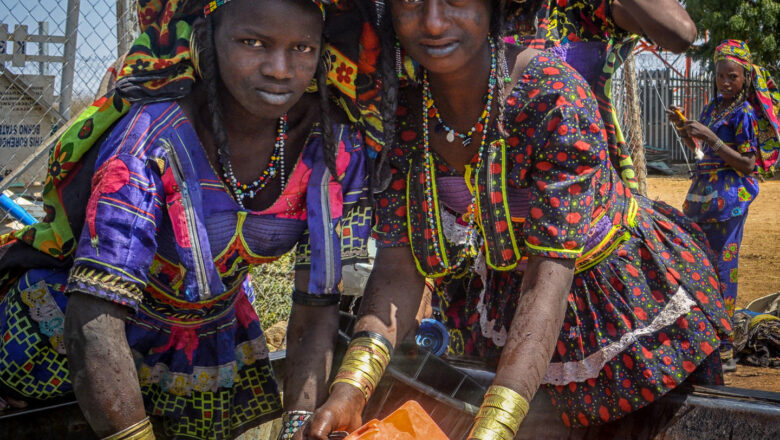
As climate and environmental challenges intensify worldwide, their impacts are being felt unequally. While disasters disrupt lives across communities, women and girls often bear the heaviest burden facing greater risks, slower recovery, and deeper social and economic setbacks. The intersection of gender inequality, poverty, and social norms amplifies these vulnerabilities, making it essential to put women’s leadership at the core of disaster risk reduction (DRR). According to the United Nations Development Programme (UNDP), building resilience in the face of climate disasters is not just about infrastructure or technology it’s about inclusion. Women’s leadership, care responsibilities, and access to resources are crucial elements that determine how societies prepare for, respond to, and...
Flying Rivers and Fading Forests: India Escalating Climate Crisis Demands Urgent Action

Flying Rivers and Fading Forests: India Escalating Climate Crisis Demands Urgent Action

Breaking News
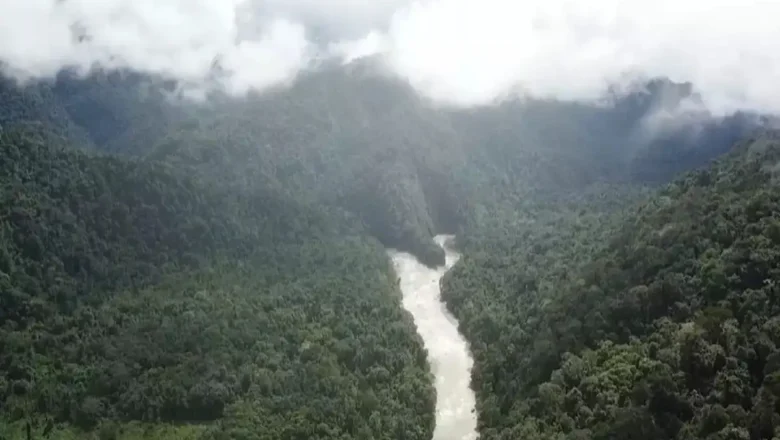
India stands at a critical turning point in its climate journey, grappling with an unprecedented rise in extreme weather events that threaten both lives and ecosystems. From cyclones and cloudbursts to flash floods and landslides, what were once rare occurrences have now become an alarming norm a sign of deep climatic disruption. Meteorological data reveal that the North Indian Ocean, including the Bay of Bengal and Arabian Sea, has warmed by up to 1.2°C over the past century, with the Arabian Sea heating nearly twice as fast as the global average. This warming has intensified the frequency and strength of cyclones, altering monsoon behavior and expanding India’s vulnerability across regions. Between 2023 and 2025, India witnessed a series of devastating climate disasters from Cyclon...
Punjab Stubble Fires Rise Again, Tarn Taran and Amritsar Emerge as Hotspots

Punjab Stubble Fires Rise Again, Tarn Taran and Amritsar Emerge as Hotspots

Breaking News
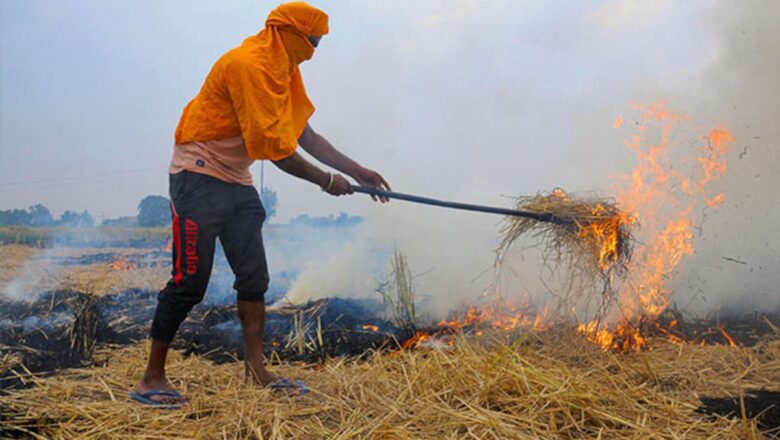
Punjab is once again grappling with a surge in stubble burning incidents, triggering alarm over rising air pollution levels ahead of winter. According to the Punjab Pollution Control Board (PPCB), the state has recorded 353 cases this season, marking a more than threefold increase in just the last ten days. Tarn Taran and Amritsar districts are leading the numbers, with 125 and 112 cases respectively, while Ferozepur and Patiala have also reported a rise. Despite the government’s continuous awareness campaigns and strict action including over Rs 8 lakh in fines and 149 FIRs, many farmers continue to set fire to crop residue to clear their fields quickly for Rabi sowing. Officials say that while overall incidents have declined over recent years due to sustained government efforts, the...
Tragedy Strikes in Eastern Ethiopia as Train Collision Claims 14 Lives

Tragedy Strikes in Eastern Ethiopia as Train Collision Claims 14 Lives

Breaking News
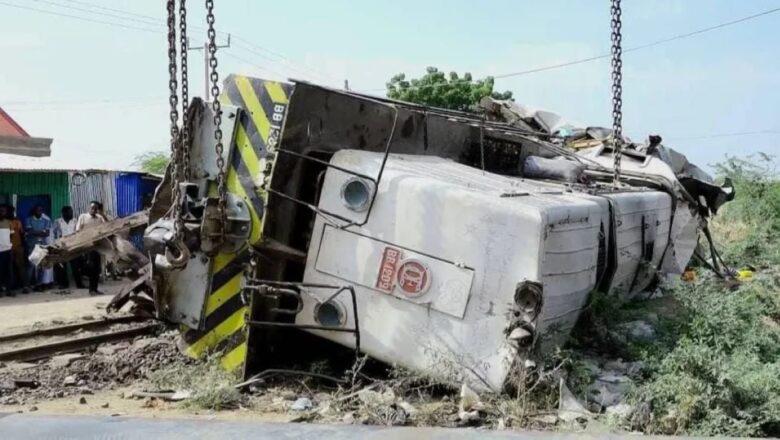
A devastating train collision in eastern Ethiopia has left at least 14 people dead and dozens injured after a crowded train carrying merchants crashed into a stationary one near Dire Dawa on Monday night. The train was reportedly returning from Dewale, near the Djibouti border, when the accident occurred. Dire Dawa mayor Ibrahim Usman confirmed the casualties and expressed deep sorrow over the tragic event, also acknowledging delays in medical response. Eyewitnesses said the lack of immediate ambulance support forced local residents to pull injured passengers from the wreckage themselves. Authorities have launched an investigation into the cause of the collision, while emergency teams continue to provide medical aid to the injured. The accident has once again raised concerns about ra...
Policy Volatility and Debt Crisis Hinder Argentina Climate Adaptation Efforts

Policy Volatility and Debt Crisis Hinder Argentina Climate Adaptation Efforts

Breaking News
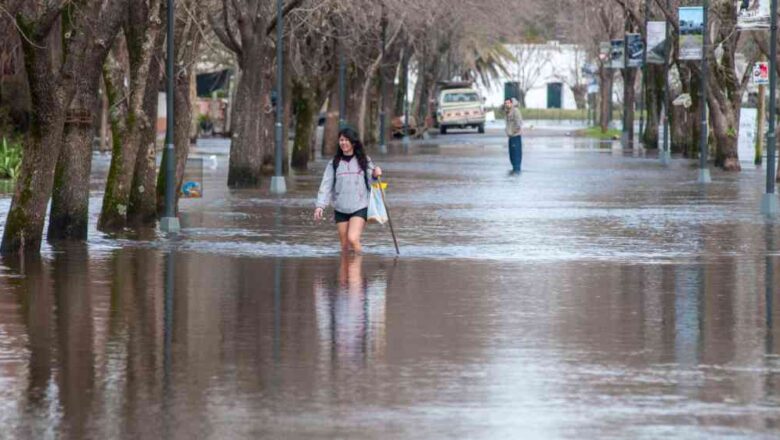
Argentina faces a profound challenge in committing to long-term climate adaptation due to its chronically volatile macroeconomic and political environment, despite the country high vulnerability to extreme climate events. The dominance of short-term crises such as high inflation, recurrent debt, and policy instability overshadows the necessity of sustained, forward-looking investments required for climate resilience. Structural Barriers to Adaptation Effective climate adaptation demands long-term institutional commitment and investments with uncertain, delayed returns, which are undermined by Argentina's structural issues: • Short-Term Policy Cycles: Frequent changes in administration, macroeconomic shocks, and fiscal constraints repeatedly disrupt policy continuity, making long-t...
Three Ways Nature-Based Solutions Counter Climate Displacement in the Global South

Three Ways Nature-Based Solutions Counter Climate Displacement in the Global South

Breaking News
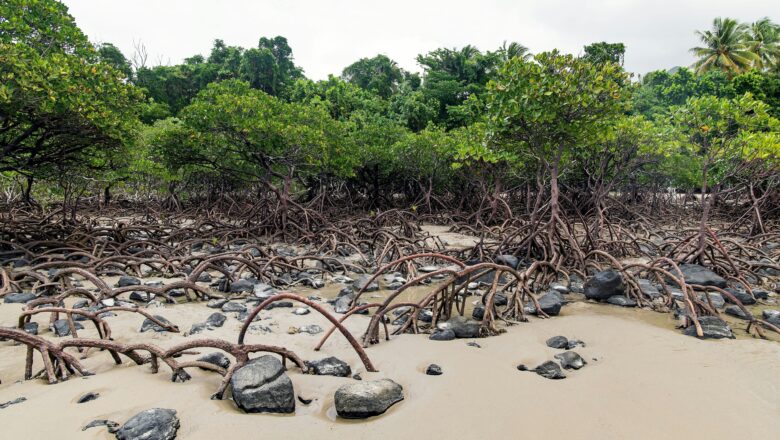
The accelerating impacts of climate change including rising seas, extreme drought, and land degradation are driving human displacement at an unprecedented rate. In the past decade, weather-related disasters have forced the equivalent of 60,000 people from their homes every day. By 2050, climate change is projected to displace approximately 143 million people across Sub-Saharan Africa, South Asia, and Latin America. To counter this humanitarian crisis, nature-based solutions (restoring and managing ecosystems) are offering cost-effective ways to enhance adaptation and allow vulnerable communities to remain on their land. 1. Coastal Resilience Through Mangrove Restoration In areas facing sea-level rise and saltwater intrusion, mangroves act as a natural defense, stabilizing shorelin...