Sunday, February 8News That Matters

Month: January 2026

From ‘Surplus Land’ to Protected Habitat: How Kerala Eravikulam Grasslands Escaped Erasure

From ‘Surplus Land’ to Protected Habitat: How Kerala Eravikulam Grasslands Escaped Erasure

Breaking News
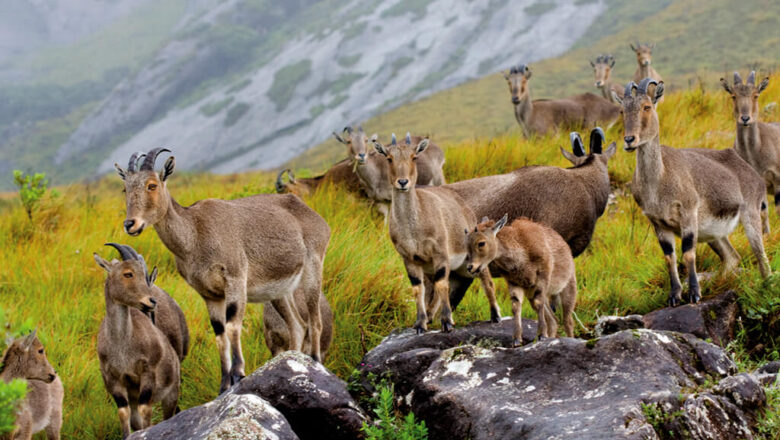
    Once labelled as “vacant” and earmarked for redistribution, the high-altitude grasslands of Eravikulam in Kerala’s Western Ghats narrowly avoided being lost to plantations and administrative oversight. Today, the landscape forms Eravikulam National Park, home to the world’s largest population of the endangered Nilgiri tahr and the famed Neelakurinji bloom. Located near Munnar in Idukki district, the park’s shola–grassland ecosystem was long misunderstood by colonial administrators and later by post-Independence revenue officials, who saw grasslands as unproductive land rather than a distinct ecological system. Colonial Classifications and Land Reforms Put Grasslands at Risk During British rule, estate records described Eravikulam’s upper slopes as “estate waste...
America Forests Are Storing More Carbon Than They Have in Decades, New Analysis Shows

America Forests Are Storing More Carbon Than They Have in Decades, New Analysis Shows

Climate Actions, Environment
    Forests across the United States have absorbed carbon at an unusually high rate over the past two decades, turning them into one of the country’s most significant natural allies in slowing climate change. A new scientific analysis shows that this surge is the result of a complex interaction between climate trends and human decisions about how forests are managed and conserved. Researchers from Ohio State University analysed national forest inventory data to separate carbon gains driven by natural factors from those influenced by land use and forest management. The findings suggest that U.S. forests are currently holding more carbon than at any point in recent history, but scientists caution that this trend may not continue indefinitely. Climate Conditions and Fore...
Zambia and Zimbabwe Push Ahead with Batoka Gorge Hydropower Project Despite Climate Risks to the Zambezi River

Zambia and Zimbabwe Push Ahead with Batoka Gorge Hydropower Project Despite Climate Risks to the Zambezi River

Breaking News
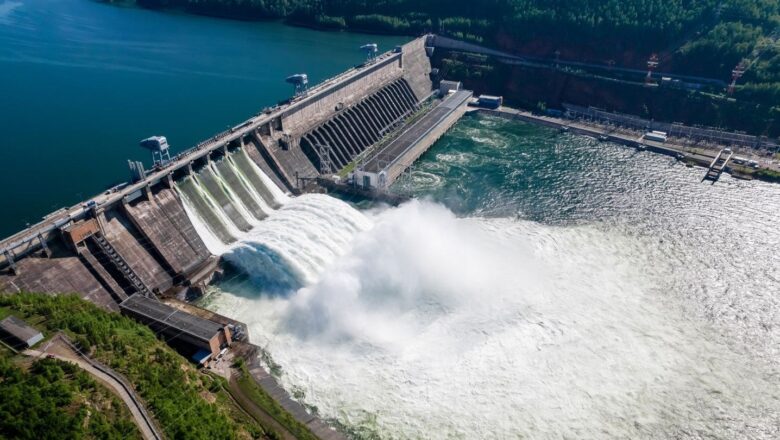
    Zambia and Zimbabwe have decided to move forward with the long-delayed Batoka Gorge Hydroelectric Scheme on the Zambezi River, brushing aside growing concerns that climate change and declining river flows could undermine the project’s viability. The two governments have jointly committed $440 million as seed capital, signalling renewed political backing for the $4.5 billion project. The decision was taken at a December 29, 2025 meeting of the Council of Ministers of the Zambezi River Authority, the bi-national body responsible for managing water resources on the shared river. Each country will contribute $220 million, representing about 10 per cent of the total project cost. Officials say the funding is aimed at improving the project’s bankability and attracting priv...
How Hoverflies Quietly Keep Ecosystems Alive

How Hoverflies Quietly Keep Ecosystems Alive

Climate Actions, Environment
In the global conversation on pollinators, bees dominate attention. They are celebrated, studied, and protected. But behind this familiar narrative exists a quieter workforce that sustains ecosystems with remarkable efficiency hoverflies. Often mistaken for bees or wasps, hoverflies are the world’s second-largest group of non-bee pollinators. Despite their importance, they remain largely invisible in public discourse, conservation planning, and policy frameworks, even as pollinator populations decline worldwide. Insects form the backbone of global food systems, pollinating more than 70 per cent of cultivated crops and nearly 90 per cent of flowering plants. While bees receive most of the credit, flies particularly hoverflies support at least 551 plant species across 71 families. Thei...
Why Onions and Chips Are Repeatedly Washing Up on England South Coast, According to Ocean Science

Why Onions and Chips Are Repeatedly Washing Up on England South Coast, According to Ocean Science

Breaking News
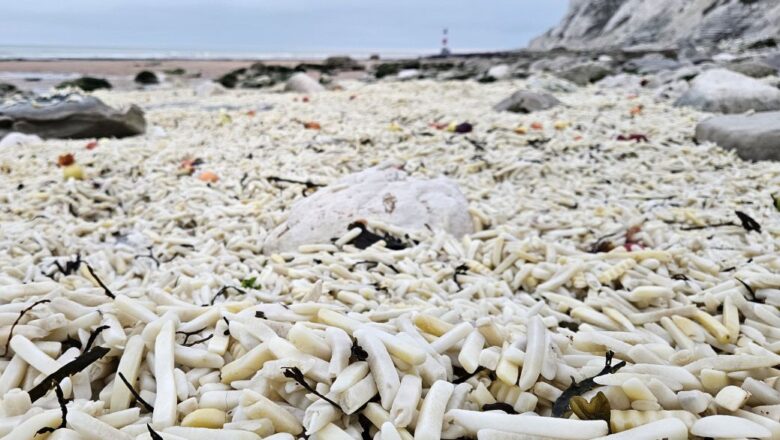
    Large quantities of onions, raw chips, vegetables and other goods have been washing up on beaches along England’s south and south-east coast since late December, puzzling residents and tourists. The unusual sight is the result of shipping containers falling into the sea during severe winter storms in the English Channel, according to ocean scientists. Over Christmas, at least 16 containers fell from the cargo ship Baltic Klipper during rough seas, sending vegetables, bananas and insulation foam into the water. In the new year, Storm Goretti caused a further 24 containers to be lost from two other vessels, with onions and chips appearing in large numbers along the Sussex coastline. How Storms and Ocean Currents Carry Cargo to Shore For oceanographers, the washed...
High Ammonia Levels in Yamuna Hit Water Supply Across Large Parts of Delhi

High Ammonia Levels in Yamuna Hit Water Supply Across Large Parts of Delhi

Breaking News
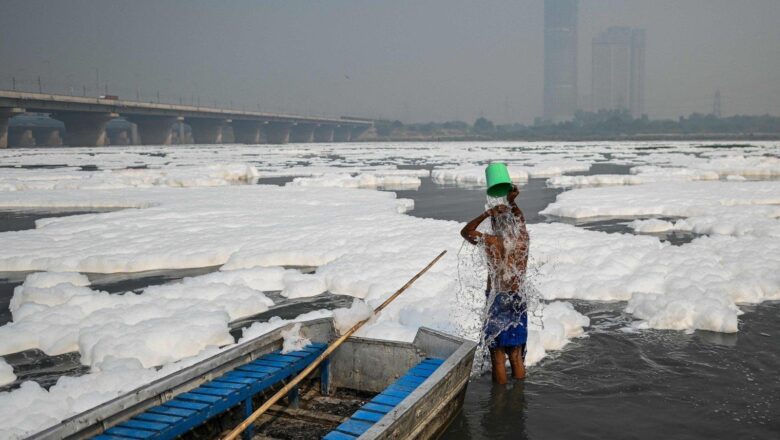
    Water supply was disrupted across several parts of Delhi on Wednesday after high ammonia levels were detected in the Yamuna river at the Wazirabad pond, officials from the Delhi Jal Board (DJB) said. The pollution spike affected operations at the Wazirabad and Chandrawal water treatment plants, leading to a reduction in water production by 25% to 50%. The DJB said residents may experience low water pressure until the situation improves. Water tankers will be provided on demand, and the public has been advised to use water judiciously during this period. Water Treatment Plants Operating at Reduced Capacity Officials said both the Wazirabad and Chandrawal water treatment plants draw raw water directly from the Yamuna through the Wazirabad pond and supply treated ...
State-Level Waste Management Drive Aims for Zero Waste to Landfill Across City

State-Level Waste Management Drive Aims for Zero Waste to Landfill Across City

Breaking News
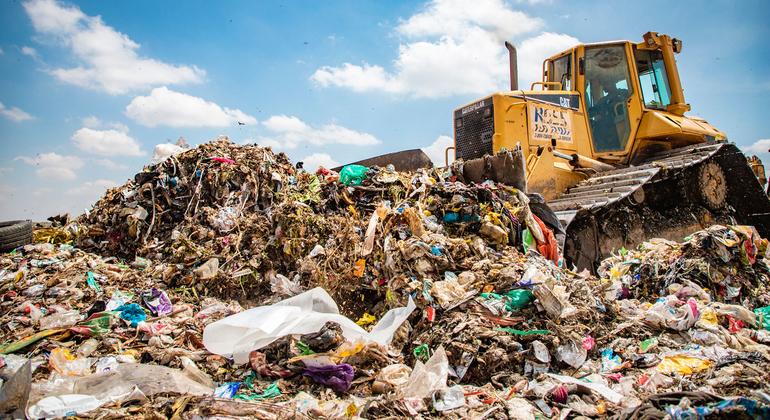
    A three-day state-level waste collection and segregation drive is being carried out with the objective of achieving “zero waste to landfill” by preventing waste from reaching dumping yards and promoting its conversion into usable resources. The initiative is being organised as a public festival to encourage citizens to move away from indiscriminate dumping and adopt responsible waste disposal practices. The drive, which began earlier this week, will continue until January 23. Authorities said the campaign focuses on segregation at source to ensure that different categories of waste can be processed efficiently. Segregated Waste Collected Across All Wards on First Day On the first day of the drive, unused and discarded materials were collected after being segreg...
Scientists Discover World Largest Dinosaur Footprints in Western Australia, Some Large Enough to Enclose a Human

Scientists Discover World Largest Dinosaur Footprints in Western Australia, Some Large Enough to Enclose a Human

Breaking News
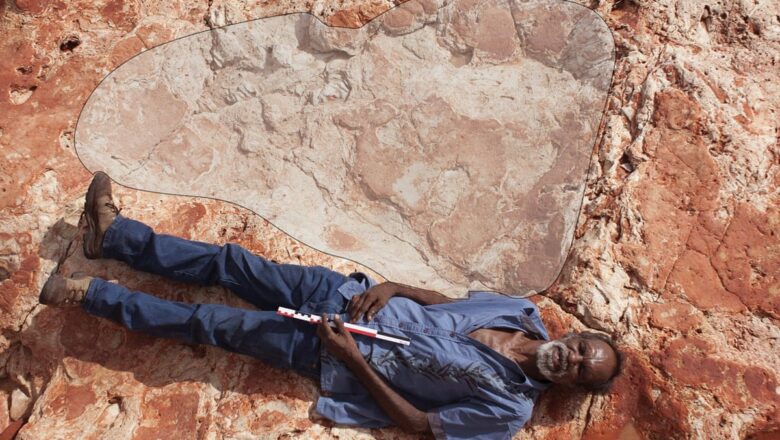
    Scientists have uncovered the largest dinosaur footprints ever recorded, preserved along a remote stretch of coastline in Western Australia. The massive tracks, dating back around 130 million years to the Early Cretaceous period, are so large that a grown adult could stand inside a single footprint. The discovery comes from the Dampier Peninsula’s Broome Sandstone formation, an intertidal fossil site that has emerged as one of the most significant dinosaur track records anywhere in the world. Researchers say the site not only reveals extraordinary dinosaur sizes but also provides rare insight into species that left no skeletal remains behind. Fossil Tracksites Reveal Unmatched Dinosaur Diversity The findings are based on more than a decade of fieldwork along a ...
Water Bankruptcy Signals a Post-Crisis Era for Global Agriculture, Warns United Nations Report

Water Bankruptcy Signals a Post-Crisis Era for Global Agriculture, Warns United Nations Report

Breaking News
    Global agriculture has crossed a critical threshold where water use has exceeded sustainable limits, pushing food systems into what the United Nations now calls a state of “global water bankruptcy.” A new report warns that decades of over-extraction, land degradation, and climate stress have transformed what was once considered a temporary water crisis into a long-term structural emergency threatening food security, livelihoods, and economic stability worldwide. Released on January 20, 2026, by the United Nations University Institute for Water, Environment and Health, the report states that rivers, aquifers, lakes, wetlands, soils, and glaciers in many regions have been damaged beyond realistic prospects of full recovery. Agriculture, which consumes nearly 70 percent...
How China Built Artificial Islands in the South China Sea by Dumping Sand in Just One Decade

How China Built Artificial Islands in the South China Sea by Dumping Sand in Just One Decade

Breaking News
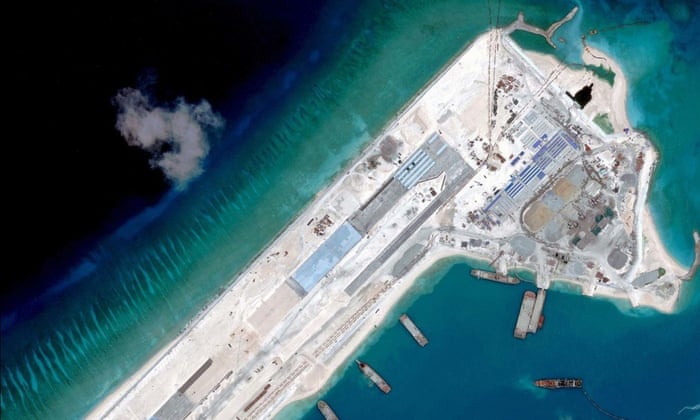
    Building islands in open seas is not a new concept, but the scale and speed at which China has created artificial islands in the South China Sea over the past decade is unprecedented. Through massive dredging operations, submerged coral reefs have been transformed into permanent landforms, altering one of the world’s most ecologically sensitive marine regions. While these projects are often discussed in the context of geopolitics and shipping routes, their environmental consequences remain far less visible. The Spratly Islands lie at the heart of one of the richest marine ecosystems on Earth. Over thousands of years, coral reefs here formed complex underwater landscapes that supported diverse marine life. In just a few years, dredging vessels removed sand, coral, and...