Sunday, February 8News That Matters

Month: February 2026

Extinction Alarm in the Indian Ocean: Critical Shark and Ray Habitats Left Exposed

Extinction Alarm in the Indian Ocean: Critical Shark and Ray Habitats Left Exposed

Breaking News
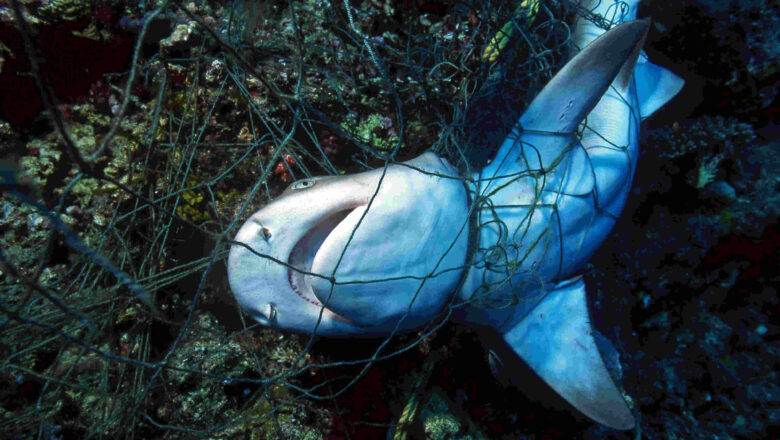
    Nearly half of all shark and ray species in the Western Indian Ocean are now threatened with extinction, raising urgent concerns about marine biodiversity in one of the world’s most heavily fished regions. A new global study has revealed that the ocean areas most vital for the survival of these species remain largely unprotected, leaving them exposed to intense fishing pressure. The Western Indian Ocean, stretching from South Africa to the Indian subcontinent and encompassing island nations such as Seychelles and the Maldives, hosts around 270 species of sharks and rays. According to the International Union for Conservation of Nature’s Shark Specialist Group, 46 per cent of these species are facing a high risk of extinction due to rapid population declines driven pri...

Why India First Disaster Victim Identification Guidelines Put Teeth at the Centre

Why India First Disaster Victim Identification Guidelines Put Teeth at the Centre

Breaking News
    India has, for the first time, laid down a comprehensive framework to identify victims of mass fatality disasters, placing forensic dentistry at the heart of the process. Released recently by the National Disaster Management Authority (NDMA), the Disaster Victim Identification (DVI) guidelines aim to ensure that human remains are accurately identified, documented and handed over to families with dignity after large-scale disasters. The move follows repeated challenges faced during recent disasters, including transport accidents, fires and natural calamities, where many victims could not be identified through conventional means such as visual recognition or fingerprints. Lessons from mass disasters shape a national framework Officials involved in drafting the gu...
Turning Toxic Brine into a Water Source Could Ease Global Water Stress, Researchers Say

Turning Toxic Brine into a Water Source Could Ease Global Water Stress, Researchers Say

Breaking News
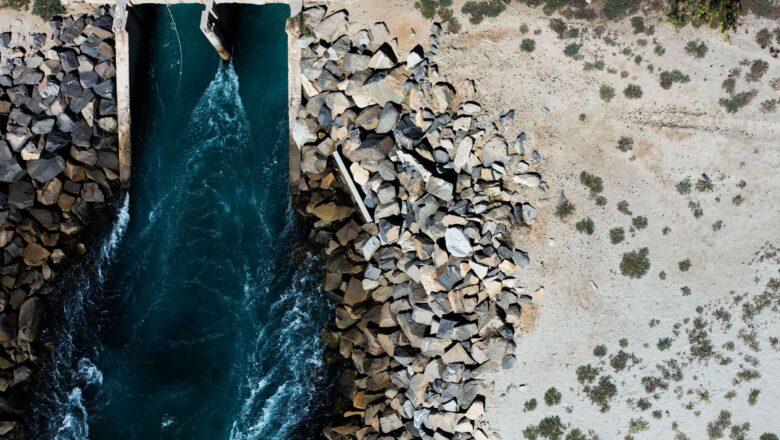
    As climate change intensifies droughts and extreme weather events, countries across the world are struggling to secure enough clean water for drinking, farming and industry. In response, governments and utilities are increasingly turning to water reuse, desalination and wastewater treatment. But these solutions come with a growing challenge of their own: contaminated brine. Brine is the highly concentrated wastewater left behind after desalination, sewage treatment and water-intensive industrial processes such as mining and energy production. Globally, brine generation has reached staggering levels. The latest estimates suggest that more than 25 billion gallons of brine are produced every day, a figure that has likely increased further with the rapid expansion of des...
Budget Push for Veterinary Expansion Could Help Tackle Antibiotic Misuse in Livestock Sector

Budget Push for Veterinary Expansion Could Help Tackle Antibiotic Misuse in Livestock Sector

Breaking News
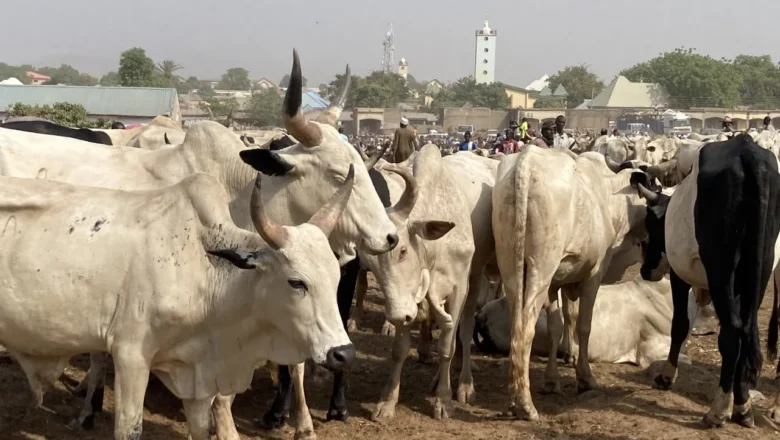
    The Union Budget 2026–27 has placed renewed emphasis on agriculture, livestock and fisheries, recognising their central role in sustaining small and marginal farmers’ livelihoods. Presented on February 1 by Finance Minister Nirmala Sitharaman, the Budget seeks to raise farmer incomes by boosting productivity and encouraging entrepreneurship, with a notable focus on strengthening veterinary capacity across the country. Under the proposed measures, the government aims to increase the availability of veterinary professionals by more than 20,000 through the establishment of new veterinary and paraveterinary colleges, hospitals, diagnostic laboratories and breeding facilities. These institutions are expected to be developed largely through private-sector participation, su...
World Amphibian Count Crosses 9,000, but Thousands May Disappear Before Being Named

World Amphibian Count Crosses 9,000, but Thousands May Disappear Before Being Named

Breaking News
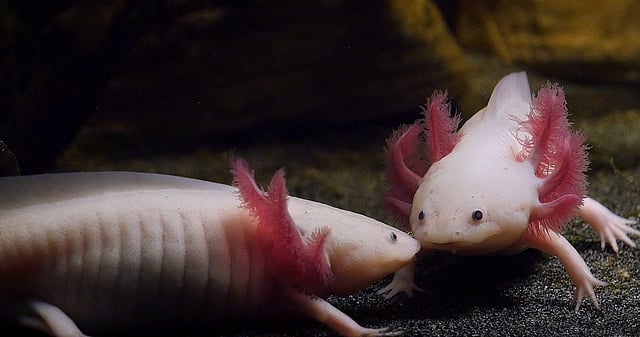
    Amphibians, among the most threatened groups of animals on Earth, have officially crossed a major scientific milestone. Researchers have now described more than 9,000 amphibian species worldwide, marking a significant achievement for taxonomy and biodiversity science. The finding comes from a new research paper that tracks global trends in amphibian discovery, while also warning that many species may go extinct before they are ever documented. The study, authored by Sky T Button, Franco Andreone and Amaël Borzée, describes the milestone as the result of decades of sustained research efforts across continents. According to the authors, the number of recognised amphibian species has more than doubled over the last 40 years, reflecting advances in field surveys, genetic...
From Hunters to Protectors: How India Fishers Are Saving the World Largest Fish

From Hunters to Protectors: How India Fishers Are Saving the World Largest Fish

Breaking News
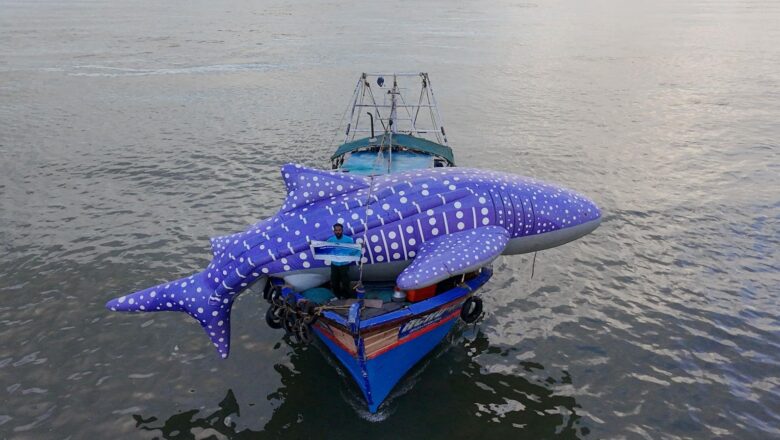
    Once feared, hunted and butchered for oil and meat, whale sharks along India’s western coast are now being freed by the very fishing communities that once targeted them. Across the Arabian Sea coastline, fishers are cutting their own nets to rescue the world’s largest fish, transforming decades of exploitation into one of India’s most striking community-led conservation stories. Over the past two decades, more than a thousand whale sharks have been safely released from fishing nets along India’s west coast, thanks to sustained outreach by the Wildlife Trust of India (WTI) and growing participation from coastal communities. On a calm March morning near Thiruvananthapuram in Kerala, a group of fishers hauling a traditional kambavala net realised they had caught some...
Grazers and Diggers Face Higher Risk From Toxic Soil Elements, New Study Finds

Grazers and Diggers Face Higher Risk From Toxic Soil Elements, New Study Finds

Breaking News
    Some of Africa’s most iconic herbivores may be more exposed to toxic elements in soil than others, not because of what they eat, but because of how and where they feed. New research from South Africa’s Kalahari desert shows that grazing and digging animals ingest significantly more soil than tree-browsing species, increasing their potential exposure to harmful metals such as arsenic, lead and chromium. The study, led by Andrea Webster of the University of Pretoria examined 16 herbivore species at the Tswalu Kalahari Reserve. It highlights how feeding behaviour plays a crucial role in determining wildlife exposure to soil-borne toxins, with important implications for conservation, rewilding and habitat restoration projects. Feeding close to the ground increases exp...
Niagara Falls Nearly Freeze as Minus-55°C Arctic Blast Grips North America

Niagara Falls Nearly Freeze as Minus-55°C Arctic Blast Grips North America

Breaking News, Climate Actions, Environment
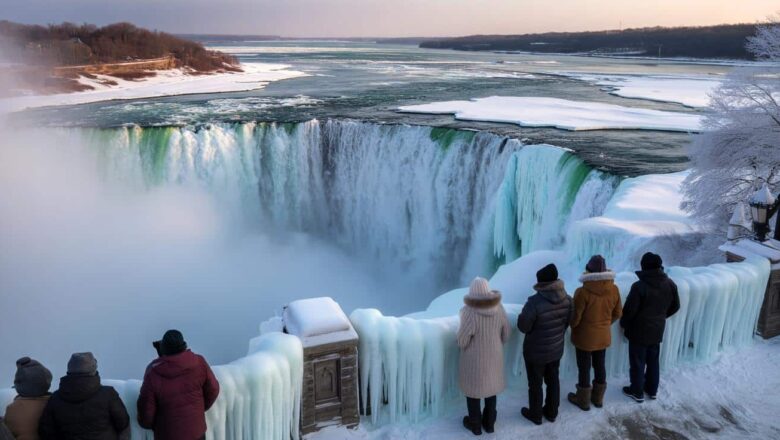
    An intense Arctic cold wave has plunged large parts of Canada into dangerously low temperatures, transforming Niagara Falls into a rare and dramatic winter spectacle. With wind chill values dropping close to minus 55 degrees Celsius, one of the world’s most powerful waterfalls now appears almost frozen in time, drawing global attention while raising serious safety concerns. The brutal cold spell has sent shockwaves across North America, with icy air spilling south into the United States. Authorities on both sides of the border have issued warnings as extreme conditions disrupt daily life, infrastructure, and tourism. Visitors arriving at Niagara Falls are met with an otherworldly scene. Thick ice coats railings, trees, and observation decks, while constant mist fr...
Why Planting More Trees May Harm Biodiversity and How New Global Standard Aims to Fix it

Why Planting More Trees May Harm Biodiversity and How New Global Standard Aims to Fix it

Environment
    Tree planting has emerged as one of the most popular responses to environmental degradation. Governments announce billion-tree targets, corporations promise carbon-neutral forests, and philanthropies fund vast restoration drives. Forests are widely seen as natural solutions absorbing carbon, protecting wildlife, and sustaining livelihoods. But scientists warn that when restoration is poorly planned, it can undermine the very goals it claims to serve. As global restoration pledges have expanded, so have concerns about their ecological validity. Studies over the past decade suggest that many high-profile commitments prioritise numbers over nature, replacing complex ecosystems with simplified plantations that offer limited benefits for biodiversity or climate resilience...
Microplastics Found More Concentrated in Rural Air Than Cities, Study Reveals

Microplastics Found More Concentrated in Rural Air Than Cities, Study Reveals

Breaking News
    Microplastic pollution in the air may be more widespread in rural environments than in urban centres, according to a new study by researchers from the University of Leeds. The findings challenge the common assumption that cities are the primary hotspots for airborne plastic contamination. The study found that microscopic plastic particles, invisible to the naked eye, are carried long distances by wind and later trapped by trees and vegetation. Surprisingly, researchers recorded significantly higher levels of airborne microplastics in a rural woodland area compared to a nearby city centre. During a three-month monitoring period, scientists detected up to 500 microplastic particles per square metre per day in a woodland area in Oxfordshire. This was nearly double th...