Sunday, February 8News That Matters

Month: February 2026

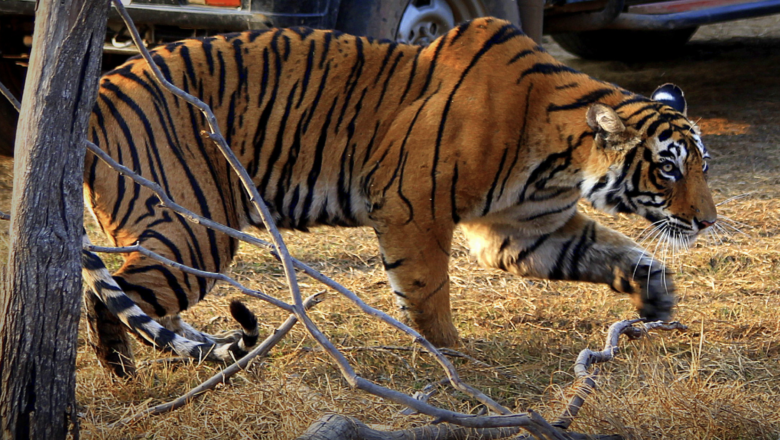
DNA Study Reveals Ranthambore Tigers Feeding on Wider Prey, Livestock Emerges as Major Food Source

DNA Study Reveals Ranthambore Tigers Feeding on Wider Prey, Livestock Emerges as Major Food Source

Environment
    A new scientific study has revealed that tigers in Rajasthan’s Ranthambore Tiger Reserve are feeding on a far more diverse range of prey than previously understood, with domestic livestock now forming a substantial part of their diet. The findings raise fresh concerns about growing human–tiger conflict beyond protected forest boundaries. The study, conducted by researchers from the National Centre for Biological Sciences (NCBS) and the Nature Conservation Foundation, used advanced DNA metabarcoding techniques to analyse tiger scats collected from the reserve. The results were published after comparing this genetic method with traditional scat analysis, long considered the standard approach for studying carnivore diets. Researchers collected fresh tiger scats from ...
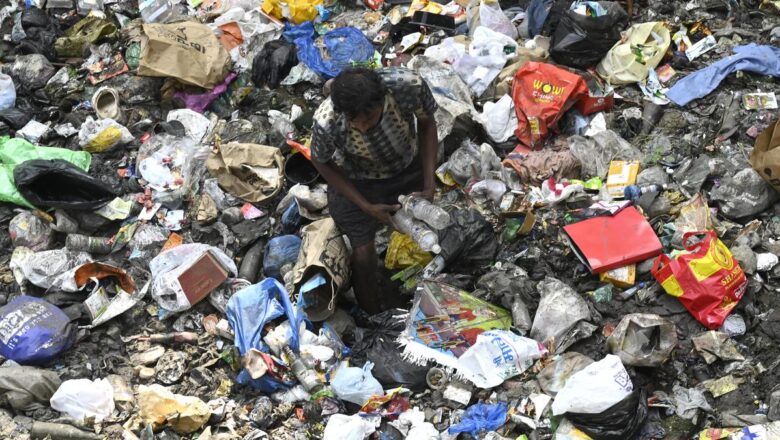
Caste Reality of Urban Waste Work Exposed as Data Shows 84% Pickers From Marginalised Communities

Caste Reality of Urban Waste Work Exposed as Data Shows 84% Pickers From Marginalised Communities

Breaking News
    For the first time, official government data has laid bare the social composition of India’s urban waste-picking workforce, revealing that an overwhelming majority of workers engaged in informal waste collection come from historically marginalised communities. Data tabled in Parliament on February 3, 2026 by the Ministry of Social Justice and Empowerment shows that 84.5 per cent of the 1.52 lakh waste-pickers profiled so far belong to Scheduled Caste, Scheduled Tribe and Other Backward Class communities. Only 10.7 per cent of workers were from the General category, while the rest were classified under “Other” communities. The data is part of the ongoing enumeration exercise under the National Action for Mechanised Sanitation Ecosystem (NAMASTE) scheme, which aims ...
Cotton Mission Stuck on Paper as Budget Silence Raises Questions for Farmers

Cotton Mission Stuck on Paper as Budget Silence Raises Questions for Farmers

Breaking News
    An ambitious five-year Cotton Productivity Mission announced with much promise in last year’s Union Budget has failed to move beyond official files, raising concerns among farmers and policy watchers about the government’s commitment to reviving India’s struggling cotton sector. Despite being pitched as a transformative initiative aimed at boosting productivity, sustainability and farmer incomes, the mission has not received any fresh allocation in the Union Budget 2026-27, effectively putting its future in doubt. While presenting the Budget for 2025-26, Finance Minister Nirmala Sitharaman had announced the launch of the Cotton Productivity Mission, describing it as a major step in the interest of millions of cotton farmers across the country. The proposed mission...
NGT Directs Delhi Neighbouring States to Restore Native Fish, Curb Invasive Species in Yamuna

NGT Directs Delhi Neighbouring States to Restore Native Fish, Curb Invasive Species in Yamuna

Breaking News
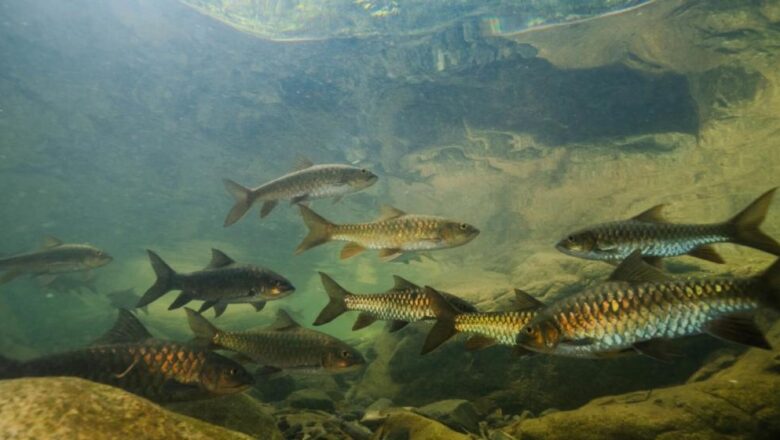
    The National Green Tribunal (NGT) has directed Delhi and four neighbouring states to urgently restore native fish populations in the Yamuna river and take strict measures to control the spread of invasive, non-native species that are rapidly altering the river’s ecosystem. The order, passed on January 29, came after the tribunal took cognisance of a media report highlighting the alarming decline of indigenous fish species and the unchecked rise of exotic varieties in the river. Acting on the findings, the NGT asked Delhi, Uttarakhand, Himachal Pradesh, Haryana and Uttar Pradesh to implement recommendations submitted by the Indian Council of Agricultural Research–Central Inland Fisheries Research Institute (ICAR-CIFRI). The directions are based on a detailed survey...
Delhi Neeli Jheel Moves Closer to Ramsar Recognition, Signalling Revival of Urban Wetlands

Delhi Neeli Jheel Moves Closer to Ramsar Recognition, Signalling Revival of Urban Wetlands

Breaking News
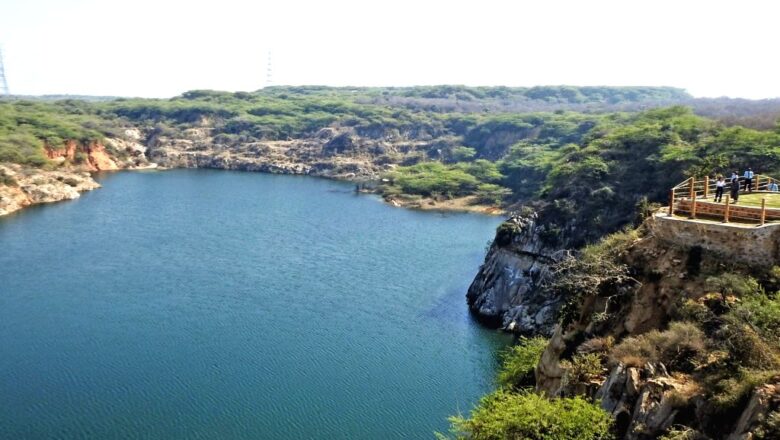
    At a time when Delhi is battling record air pollution and shrinking green spaces, a rare note of environmental optimism has emerged. Neeli Jheel, a striking blue-water lake tucked inside the Asola Bhatti Wildlife Sanctuary, could soon be notified as the capital’s first Ramsar site. The announcement was made on World Wetlands Day 2026, marking a potential milestone for urban wetland conservation in India’s most densely populated city. The 5.16-hectare wetland is being proposed for recognition under the Ramsar Convention, an international treaty aimed at protecting wetlands of global ecological importance. If approved, Neeli Jheel would place Delhi on the global wetland conservation map for the first time. Delhi Environment Minister Manjinder Singh Sirsa said the mo...
Lab-Built Virus Offers New Weapon Against Antibiotic Resistance, Raises Fresh Questions

Lab-Built Virus Offers New Weapon Against Antibiotic Resistance, Raises Fresh Questions

Breaking News
    Scientists have taken a major step toward tackling antibiotic-resistant infections by designing bacteria-killing viruses entirely in the laboratory. The breakthrough could speed up the development of precision treatments against deadly superbugs, at a time when conventional antibiotics are steadily losing their power. Bacteriophages, viruses that infect and kill bacteria, have been known for more than a century. Their medical use, however, has remained limited because engineering them is slow, complex, and heavily dependent on naturally occurring viruses. As drug-resistant infections rise worldwide, researchers have been searching for faster and safer ways to create tailor-made phages. Synthetic DNA Turns Phage Engineering on Its Head In a study published in th...
20,000 Octopuses Found Living Together Near Underwater Volcano, Stunning Scientists

20,000 Octopuses Found Living Together Near Underwater Volcano, Stunning Scientists

Breaking News
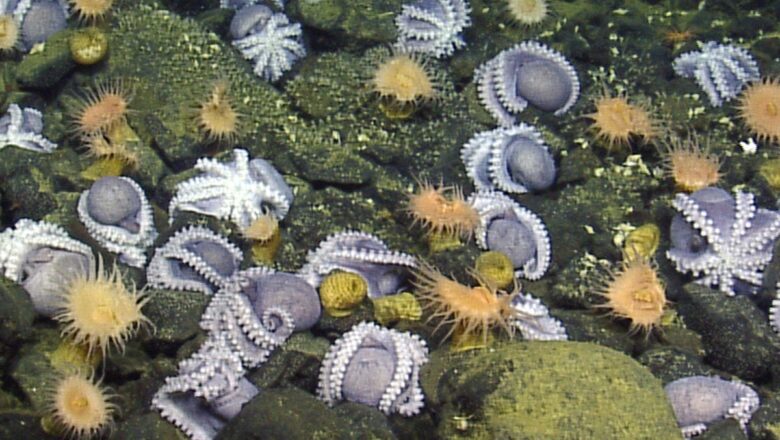
    Octopuses are known as some of the most intelligent creatures in the ocean, but they are also famous for one more trait they prefer to live alone. That belief is now being challenged after scientists uncovered the world’s largest known gathering of octopuses deep beneath the Pacific Ocean. The discovery was made nearly two miles below the surface, close to an underwater volcano off the coast of Monterey, California. The site, now called the Octopus Garden, is spread across an area comparable to 233 soccer fields and is believed to host up to 20,000 octopuses. From solitary hunters to unexpected neighbours The idea that octopuses could live close to one another first surprised scientists more than a decade ago. In 2012, researchers diving near Jervis Bay in Aust...
Satellite Study Warns of Massive Groundwater Loss in Asia’s Water Tower

Satellite Study Warns of Massive Groundwater Loss in Asia’s Water Tower

Breaking News
    A new satellite-based study has revealed a worrying decline in groundwater reserves across High Mountain Asia, a vast region often called the “Asian Water Tower” because it supplies water to hundreds of millions of people downstream. Researchers estimate that the region is losing groundwater at an alarming rate of nearly 24.2 billion tonnes every year, raising concerns about long-term water security. High Mountain Asia stretches across the Himalayas, Karakoram, Hindu Kush and Tibetan Plateau, feeding major rivers such as the Ganges, Indus, Brahmaputra and Amu Darya. These rivers support agriculture, cities and ecosystems across more than a dozen countries in South and Central Asia. Two decades of data show widespread decline The study, led by Professor Wang Shu...
Melting Antarctic Ice Delivered Iron but Failed to Boost Ocean Carbon Absorption

Melting Antarctic Ice Delivered Iron but Failed to Boost Ocean Carbon Absorption

Breaking News
    Scientists studying ancient ocean sediments have uncovered an unexpected climate feedback involving the melting of Antarctica’s ice and the Southern Ocean’s role in absorbing carbon dioxide. Contrary to long-standing assumptions, the loss of ice from West Antarctica during warmer periods did not stimulate marine algae growth, despite delivering large amounts of iron into the ocean. The findings come from a new study published on February 2 in Nature Geoscience, led by researchers from the Columbia Climate School and international collaborators. The research focuses on how changes in the West Antarctic Ice Sheet, or WAIS, influenced biological activity in the Southern Ocean during past ice ages. Ancient Sediments Reveal a Climate Surprise To understand how Antar...
Budget 2026-27 puts Ganga on engineering path, ecological revival takes back seat

Budget 2026-27 puts Ganga on engineering path, ecological revival takes back seat

Breaking News
    The Union Budget 2026-27 has once again underlined the government’s intent to clean and rejuvenate the Ganga, but a closer look at allocations shows that the approach remains firmly infrastructure-driven, with limited attention to restoring the river as a living ecological system. Despite repeated political commitments to revive the Ganga in its entirety, spending priorities continue to favour sewage treatment plants, wastewater networks and externally funded engineering projects over measures that address river flow, floodplains, biodiversity and livelihoods. The budget, presented by Finance Minister Nirmala Sitharaman on February 1, 2026, allocates Rs 3,100 crore to the National Ganga Plan under Namami Gange Mission-2 for the coming financial year. While this marks...