
Rising temperatures and frequent droughts are placing forests under increasing pressure, making it harder for trees to survive changing climate conditions. Scientists at the Swiss Federal Institute for Forest, Snow and Landscape Research have developed a new method to detect drought stress in trees using drone-based multispectral imaging, allowing them to monitor forest health from the air across large areas.
During the unusually hot summer of 2023, researchers studied how seven native tree species respond to water shortages. Using drones equipped with special cameras, they were able to identify early signs of stress that are not visible to the human eye. These findings could help forestry experts better understand which tree species are more resilient to climate change and guide future forest management decisions.
How Drone Cameras Reveal Hidden Signs of Water Stress
The research team used multispectral cameras capable of capturing invisible parts of the light spectrum. These cameras detect pigments produced by trees to protect their leaves from excessive sunlight during drought conditions. By measuring this light protection response, scientists were able to identify trees experiencing acute stress even before visible damage appeared.
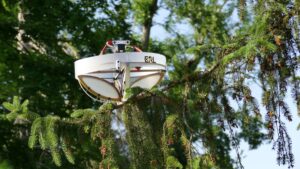
In addition to this short-term response, the team also examined long-term indicators such as leaf discoloration and defoliation. By combining both measurements, researchers gained a more complete picture of how drought affects tree health over time. This approach makes it possible to detect both sudden and prolonged water shortages from the air.
Different Tree Species Show Different Survival Strategies
The study revealed that tree species respond to drought in very different ways. For example, oak trees were found to recover more quickly from heat stress compared to other species. In contrast, some conifers showed delayed stress symptoms and then experienced sudden decline, highlighting their vulnerability under prolonged drought conditions.
The research was conducted in a mixed forest research site in Switzerland, where drone data could be compared with direct measurements taken from the trees. This allowed scientists to confirm the accuracy of aerial monitoring and better understand species-specific drought responses.
Looking ahead, the researchers believe this method could transform how forests are monitored worldwide. The team has already begun studying non-native species to identify trees that may be better suited to future climate conditions. As climate change intensifies, such tools could play a crucial role in protecting forests and ensuring their long-term resilience.