Friday, February 27News That Matters

Breaking News

Ancient Indian poetry reveals western India’s savannas were never lost forests, study finds

Ancient Indian poetry reveals western India’s savannas were never lost forests, study finds

Breaking News
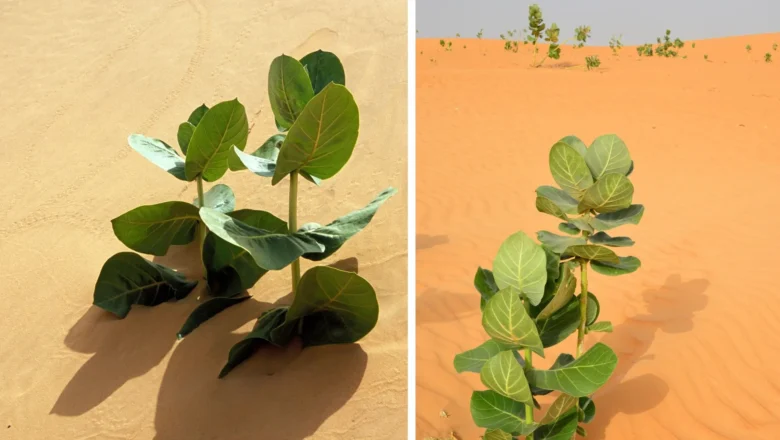
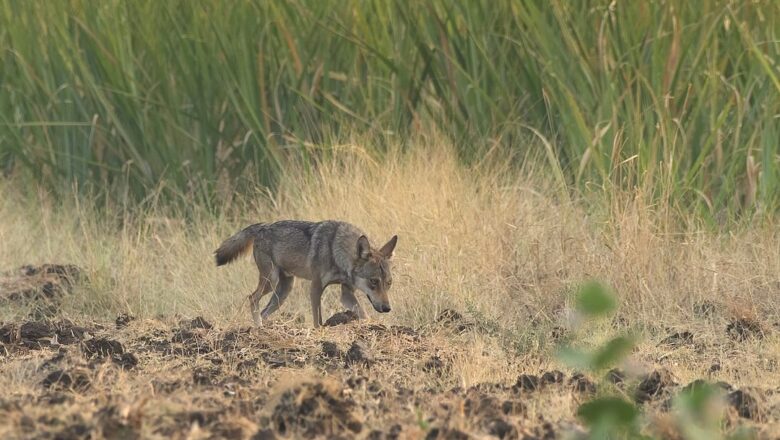
    For decades, vast open landscapes across western India were labelled as degraded forests, assumed to be the result of centuries of human deforestation. A new study now challenges this long-held belief, using 750-year-old Indian poems, folk songs and sacred texts to show that these regions were always natural savannas and grasslands. The research, led by Ashish Nerlekar of Michigan State University, suggests that many conservation practices, especially large-scale tree-planting drives, may be misdirected and potentially harmful to ecosystems that were never forests to begin with. Medieval literature offers ecological clues Published in the journal *People and Nature*, the study takes an unconventional approach by combining ecology with historical and archaeologi...
Community conservation in Brazilian Amazon delivers massive ecological gains but pushes local families to economic edge

Community conservation in Brazilian Amazon delivers massive ecological gains but pushes local families to economic edge

Breaking News
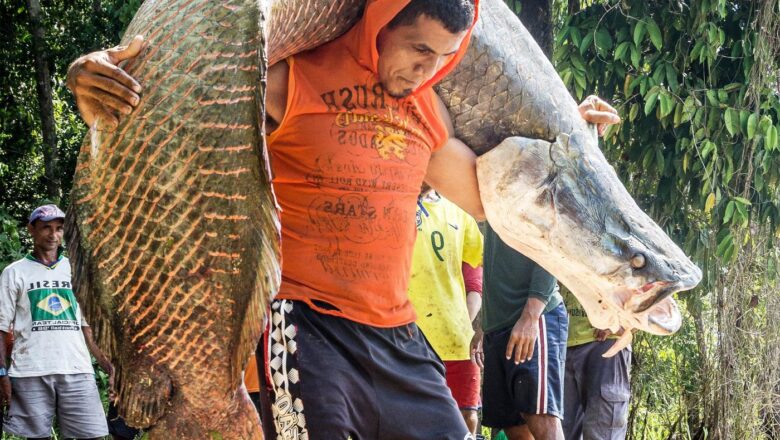
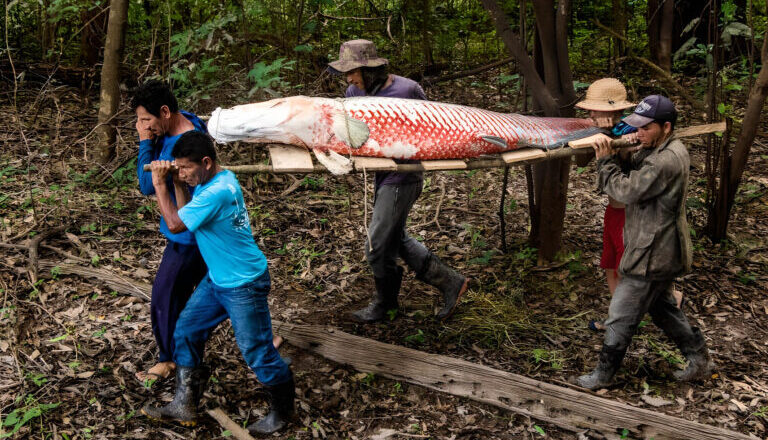
    Community-led conservation efforts in Brazil’s western Amazon are delivering ecological benefits far beyond their immediate targets, but at a significant cost to the families who sustain them, a new study published in Nature Sustainability has found. Along the Juruá River, one of the most winding tributaries of the Amazon, fishing communities have taken responsibility for protecting pirarucu, one of the world’s largest freshwater fish species. By guarding oxbow lakes from illegal fishing, these communities are not only reviving a species once close to extinction but also safeguarding vast stretches of floodplain and upland forest ecosystems. Conservation footprint extends far beyond guarded lakes The study shows that community patrols covering 96 oxbow lakes ac...
China Turns Gobi Desert Into Strategic Rubber Hub Amid Global Supply Risks

China Turns Gobi Desert Into Strategic Rubber Hub Amid Global Supply Risks

Breaking News
    China has begun cultivating military-grade rubber trees in the harsh Gobi Desert, transforming barren land into a strategic resource as global supply chains face increasing pressure from geopolitical tensions and trade uncertainties. Far from the country’s traditional tropical rubber plantations, scientists are growing Duzhong (Eucommia ulmoides), a hardy tree long used in traditional medicine and now emerging as a key material for China’s industrial and defence needs. The initiative highlights Beijing’s push to cut dependence on foreign raw materials at a time when it remains the world’s largest consumer of natural rubber. China’s demand for natural rubber, driven by its massive automotive, manufacturing and defence sectors, is estimated to exceed seven million t...
Community led fish protection in Brazil Amazon safeguards vast Ecosystems but at a Heavy Cost

Community led fish protection in Brazil Amazon safeguards vast Ecosystems but at a Heavy Cost

Breaking News
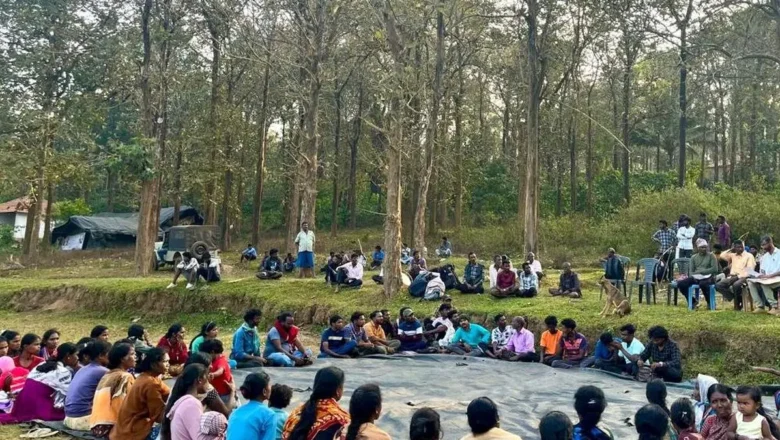
    Community-driven efforts to protect the pirarucu, one of the world’s largest freshwater fish, are delivering far-reaching conservation gains across Brazil’s western Amazon, but the financial burden of this success is being borne almost entirely by local families, a new study has found. Research published in *Nature Sustainability* shows that by guarding a network of oxbow lakes along the Juruá River, Indigenous and riverine communities are indirectly conserving floodplains and upland forests on a scale far larger than the areas they directly monitor making it the largest community-based conservation initiative documented in the Brazilian Amazon. Lake patrols protect forests far beyond their borders Along the winding Juruá River, fishing families take turns guar...
Climate change blurs travel seasons as ‘best time to visit’ loses meaning

Climate change blurs travel seasons as ‘best time to visit’ loses meaning

Breaking News
    What was once a routine question for holidaymakers when is the best time to travel is no longer easy to answer. From floods in the Himalayas to heatwaves in Europe, climate volatility is steadily dismantling the idea of fixed travel seasons, forcing travellers and tour operators alike to rethink how, when and why they travel. For Bengaluru-based industrial and product designer Vivek Saurabh, the shift became personal during a trip to Srinagar and Ladakh in September 2014. The month was considered ideal post-monsoon, pleasant weather and open roads. Instead, relentless rain greeted his group of eight, triggering one of the worst floods in Kashmir’s recorded history. Roads shut, networks collapsed and escape routes vanished as the Jhelum river swelled dangerously. W...
Millions in Delhi Go Without Water as Toxic Yamuna Chokes City Supply

Millions in Delhi Go Without Water as Toxic Yamuna Chokes City Supply

Breaking News
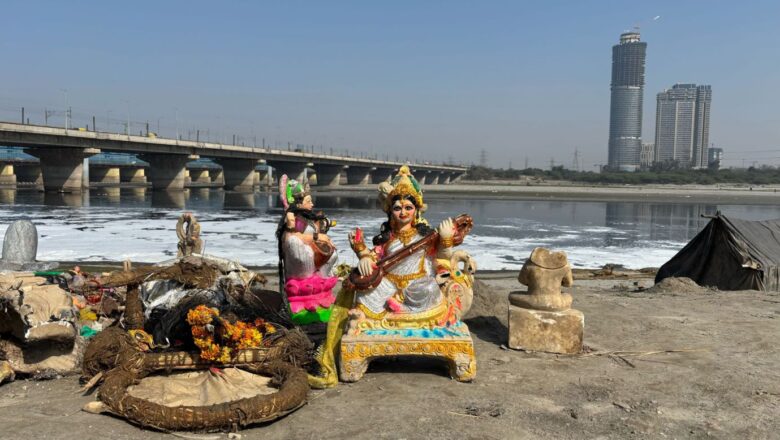
Ravinder Kumar walks through ankle-deep sludge every morning just to step out of his home in northwest Delhi’s Sharma Enclave. But inside his small brick house, there is often no water at all. The 55-year-old father of three twists his plastic taps repeatedly, hoping for a trickle that rarely comes. “Water comes once every three days, and even then, clean water lasts barely an hour,” Kumar said. “Sometimes the water is black. We bathe once in four or five days.” Kumar is among millions of residents in India’s capital who have endured days of water shortages after soaring ammonia levels in the Yamuna River forced the shutdown of six out of Delhi’s nine major water treatment plants last week. The river, considered sacred by millions, has become so polluted that water drawn from it has ...
Why Australia Is Scorching in Summer While Much of the World Freezes

Why Australia Is Scorching in Summer While Much of the World Freezes

Breaking News
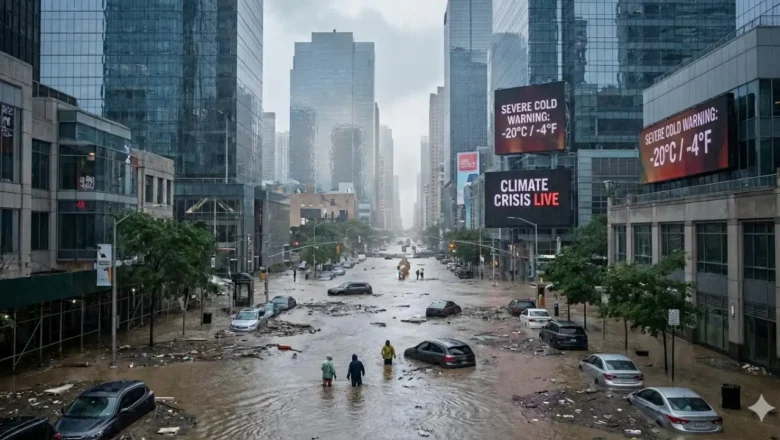
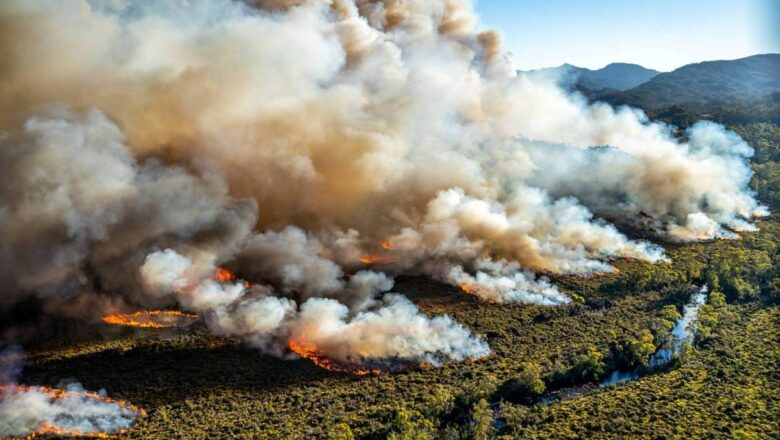
    As large parts of the Northern Hemisphere grapple with intense cold waves and winter storms, southeastern Australia is facing an unusually severe heatwave, with temperatures climbing close to record levels. Scientists say the stark contrast highlights how seasonal patterns, combined with climate change, are driving more extreme and uneven weather events across the globe. In late January, parts of Victoria, New South Wales, and South Australia recorded temperatures above 49°C, with several inland regions enduring consecutive days of extreme heat. The prolonged heat spell has strained power infrastructure, triggered bushfires, and left thousands without electricity. Heatwave Tightens Grip on Southeastern Australia Meteorologists say the ongoing heatwave has laste...
Government Opens Forest Plantations to Private Players, Conservation Concerns Grow

Government Opens Forest Plantations to Private Players, Conservation Concerns Grow

Breaking News
    The Union Environment Ministry has issued a directive allowing private entities to lease forest land and carry out plantation activities for commercial purposes, triggering a sharp debate among conservation experts, researchers, and forest rights advocates over its long-term ecological and social impact. The move reclassifies certain plantation activities as “forestry activity,” making it possible for non-government entities to raise plantations on forest land without attracting penalties under India’s forest conservation laws. The ministry says the decision will help restore degraded forests and increase India’s green cover, while critics warn it could blur the line between ecological restoration and commercial exploitation. Policy Shift Aims to Boost Green Cover...
Ancient Cave in New Zealand Uncovers Lost World of Extinct Wildlife

Ancient Cave in New Zealand Uncovers Lost World of Extinct Wildlife

Breaking News
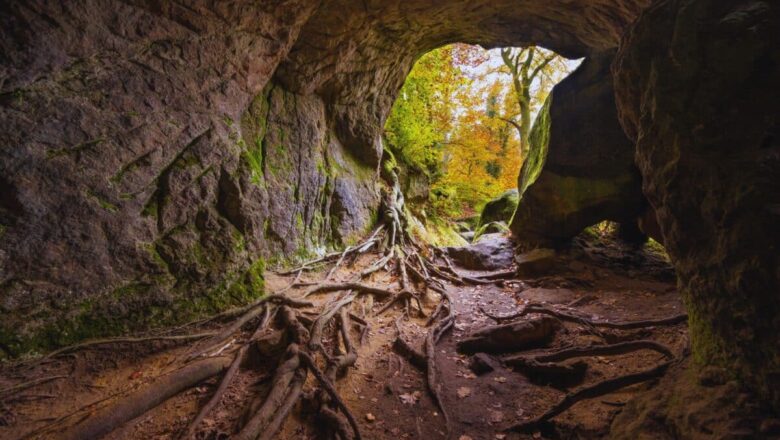
    Scientists have uncovered a remarkable cache of million-year-old fossils deep inside a cave in New Zealand, offering the first detailed glimpse into an ancient ecosystem that vanished long before humans arrived on the islands. The discovery was made in a cave near Waitomo on the North Island and includes fossil remains of 12 bird species and four frog species. Researchers say the findings reveal a once-thriving forest ecosystem that was repeatedly devastated by extreme climate changes and powerful volcanic eruptions. Fossils Reveal Repeated Extinctions Before Human Arrival According to the study, published in Alcheringa: An Australasian Journal of Palaeontology the fossils are trapped between layers of volcanic ash dated between 1.55 million and 1 million years...
Budget 2026: Himachal Seeks ₹50,000-Crore Green Fund to Tackle Climate Risks

Budget 2026: Himachal Seeks ₹50,000-Crore Green Fund to Tackle Climate Risks

Breaking News
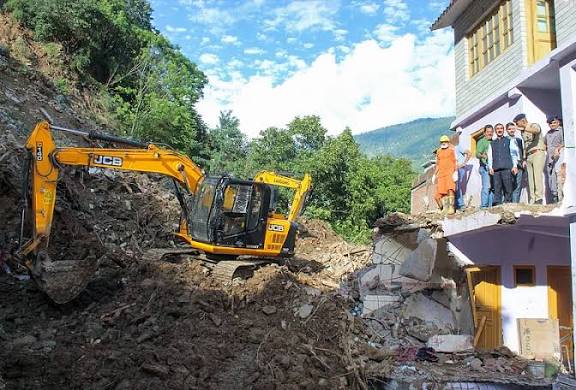
    Himachal Pradesh has renewed its demand for a dedicated ₹50,000-crore Green Fund from the Centre ahead of the Union Budget 2026, citing repeated natural disasters, ecological stress and the state’s role as one of India’s key environmental buffers. Cash-strapped Himachal Pradesh, the only Congress-ruled state in north India, has been urging the Union government to create a special fund for hill states, which it describes as the country’s “green frontiers.” The state has faced frequent cloudbursts, flash floods and landslides in recent years, intensifying the need for sustained investment in climate resilience and ecological protection. CM Sukhu Raises Demand With PM and Finance Minister Chief Minister Sukhvinder Singh Sukhu said he has personally raised the prop...