Sunday, May 10News That Matters

Breaking News

Ethiopia Bets on Green Future as Climate Pressures Mount

Ethiopia Bets on Green Future as Climate Pressures Mount

Breaking News
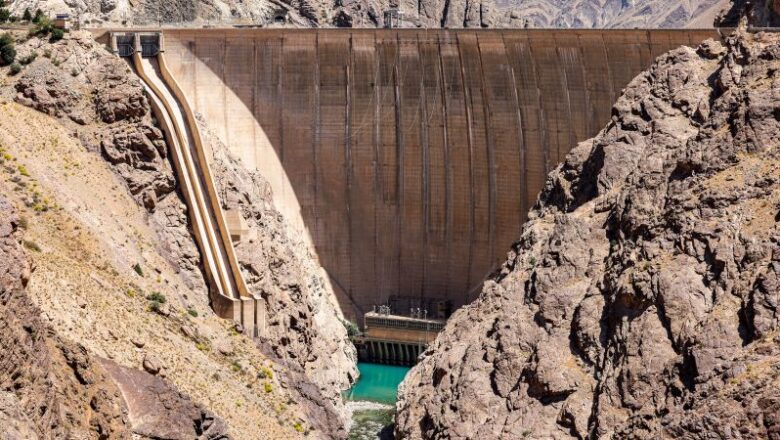
Ethiopia is fast-tracking its transition to a climate-resilient green economy, unveiling bold policies and massive infrastructure projects in response to intensifying climate threats. As the country grapples with floods, droughts, and erratic rainfall, authorities are doubling down on renewable energy, sustainable farming, and climate finance advocacy. The Grand Ethiopian Renaissance Dam (GERD), set for completion in September 2025, will be Africa’s largest hydroelectric project with a 5,000 MW capacity. Already supplying over 2,300 MW, GERD is the centerpiece of Ethiopia plan to meet all its power needs through renewables primarily hydropower, wind, and geothermal. Facing rising economic risks climate-related losses could hit 5% of GDP by the 2040s Ethiopia is implementing a $6 bill...
Gas Flaring Hits 17-Year High in 2024, Emissions Soar to 389 Million Tonnes

Gas Flaring Hits 17-Year High in 2024, Emissions Soar to 389 Million Tonnes

Breaking News
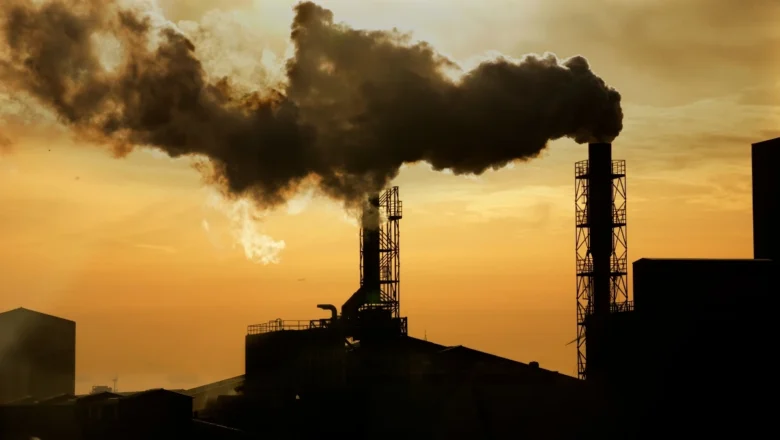
In a worrying climate signal global gas flaring surged to its highest level since 2007 releasing an estimated 389 million tonnes of CO₂-equivalent emissions in 2024. The new data, published in the World Bank Global Gas Flaring Tracker Report, reveals a sharp uptick in both carbon dioxide and unburnt methane pollution from oil extraction activities worldwide. Of the total emissions, 46 million tonnes came from unburnt methane, a greenhouse gas far more potent than CO₂. The total volume of gas flared reached 151 billion cubic metres (bcm) a 3 bcm jump from 2023 wasting gas equal to nearly the entire annual consumption of the African continent. The rise poses a major threat to the Zero Routine Flaring by 2030 goal set by the World Bank and United Nations. Achieving this target will now ...
$10M Plan to Fight Invasive Weeds and Protect New Zealand Iconic Landscapes

$10M Plan to Fight Invasive Weeds and Protect New Zealand Iconic Landscapes

Breaking News
In a bold conservation push, the New Zealand government has announced a $10 million investment over three years to control invasive weeds threatening the country world-famous natural landscapes and $3.4 billion conservation tourism sector. Unveiled by Conservation Minister Tama Potaka and Biosecurity Minister Andrew Hoggard, the initiative aims to safeguard biodiversity boost rural livelihoods, and secure the future of nature-based tourism by targeting some of the country most ecologically sensitive and visited areas. Weeds on the Rise, Ecosystems at Risk Invasive species like wilding pines marram grass, spartina, and pampas grass are expanding rapidly, disrupting native ecosystems, degrading farmland, and even endangering icons like Aoraki/Mount Cook and Stewart Island. Wilding p...
Madhya Pradesh Flooded, Army NDRF Rescue Hundreds Amid Relentless Rain 4 Dead

Madhya Pradesh Flooded, Army NDRF Rescue Hundreds Amid Relentless Rain 4 Dead

Breaking News
Madhya Pradesh is reeling under intense monsoon fury as incessant rainfall over the past three days has triggered flooding and structural collapses across Guna, Shivpuri, Ashoknagar, and Gwalior. At least four people have died, while over 250 residents have been rescued in swift joint operations by the Indian Army, State Disaster Response Force (SDRF), and National Disaster Response Force (NDRF). In Guna district, two people died due to wall collapses, while nearly 150 stranded residents were rescued from Fatehgarh and Bamori areas. Guna SP Ankit Soni confirmed the activation of a control room and full coordination between police and civil authorities. Collector Kishore Kumar Kanyal described the situation as critical, with multiple areas submerged and rescue efforts continuing round th...
DR Congo Oil Push Puts World Largest Peatlands and 39 Million Lives at Risk

DR Congo Oil Push Puts World Largest Peatlands and 39 Million Lives at Risk

Breaking News
A sweeping expansion of oil exploration in the Democratic Republic of the Congo (DRC) has triggered alarm across the global environmental community. With 52 new oil blocks auctioned in 2025 bringing the total to 55 over 53% of the country's land and inland waters are now covered by oil licenses, according to a damning new report from Earth Insight and local civil society groups. This aggressive move threatens 124 million hectares of ecologically sensitive land, including the Cuvette Centrale peatlands, one of the planet’s largest carbon sinks. These peatlands hold 30 gigatons of carbon, equivalent to 20 years of U.S. fossil fuel emissions, and their disturbance could release vast amounts of CO₂ and methane, accelerating climate change irreversibly. “These peatlands take thousands of ...
NCAP 2.0 Must Tackle Industrial Pollution to Deliver Clean Air to Cities

NCAP 2.0 Must Tackle Industrial Pollution to Deliver Clean Air to Cities

Breaking News
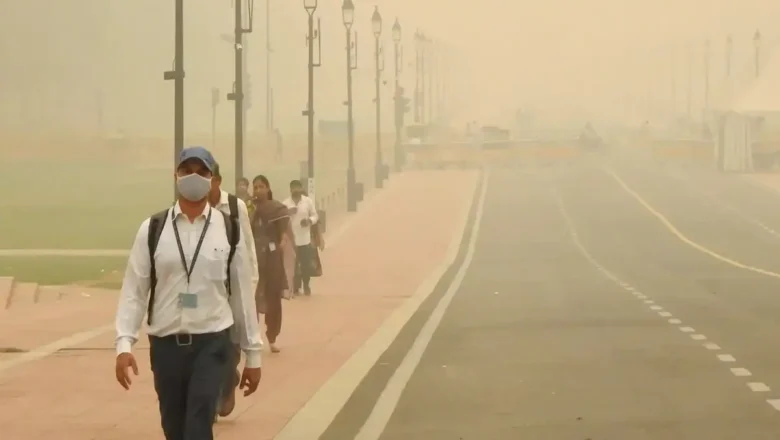
As India prepares to roll out the next phase of its National Clean Air Programme (NCAP) experts warn that without decisive industrial reforms, cities will continue to choke on polluted air. A recent commentary by Anirban Banerjee, a senior associate at the Center for Study of Science, Technology and Policy (CSTEP), calls for a targeted strategy to reduce emissions from both formal and informal industries. Nearly 37% of India most polluted cities are clustered around industrial zones thermal power plants, smelters, brick kilns, and small-scale manufacturing units. In over 20% of these cities, industries are the primary contributors to air pollution. Yet, just 0.6% of NCAP and Finance Commission funds are currently allocated to controlling industrial emissions. One of the biggest hurdl...
Meghalaya Faces Sharpest Rainfall Deficit in India, Raising Alarms for Farmers and Biodiversity

Meghalaya Faces Sharpest Rainfall Deficit in India, Raising Alarms for Farmers and Biodiversity

Breaking News
Once known as the ‘Abode of Clouds’ Meghalaya now leads the country in monsoon rainfall deficit, sparking concerns over its climate future. Meghalaya, long revered for its relentless rains and lush green landscapes, is witnessing a stunning shift. This monsoon, the state recorded the highest rainfall deficit in India a staggering 56% threatening its rain-fed agriculture, fragile biodiversity and water security. Between June 1 and July 28, the state received just 690.7 mm of rainfall against a seasonal normal of 1,555.4 mm. Surprisingly, even drier states like Jharkhand saw more rainfall during the same period, with Jharkhand recording 732.6 mm a 53% surplus. The trend isn’t just seasonal. Long-term analyses show a worrying decline in rainfall across central and northern Meghalaya, e...
New AI-Driven Landslide Prediction Model Offers Lifesaving Edge in an Era of Extreme Weather

New AI-Driven Landslide Prediction Model Offers Lifesaving Edge in an Era of Extreme Weather

Breaking News
As climate change fuels heavier rainfall and increases the frequency of extreme weather events, landslides have become more common, more widespread, and harder to predict. But a groundbreaking new study from Northwestern University and UCLA offers a game-changing tool in the battle to forecast and potentially prevent these destructive natural disasters. Published in Geophysical Research Letters, the study introduces a new process-based framework for landslide prediction that moves beyond traditional, rainfall-only models. The innovation? A dynamic system that simulates the full water cycle from rain and runoff to soil saturation and snowmelt and uses artificial intelligence to identify the different pathways that lead to landslides. "Current early warning systems often fail to accoun...
Study Reveals Mega-Drying of Continents Since 2002

Study Reveals Mega-Drying of Continents Since 2002

Breaking News
A sweeping new study has uncovered alarming evidence of unprecedented freshwater loss across Earth's continents since 2002, warning of dire consequences for water security, food production, and sea-level rise. Led by Arizona State University and published in Science Advances, the study analyzed over two decades of satellite data and found that global groundwater depletion is accelerating faster than previously understood pushing parts of the planet toward what researchers call a "freshwater bankruptcy." The findings identify four massive “mega-drying” zones, all in the Northern Hemisphere, where freshwater reserves have plunged due to climate change, prolonged droughts, and unsustainable groundwater use. These drying regions include the American Southwest and Central America, Alaska and...
New NASA Satellite Maps Wildfire Smoke in 3D, Sharpening U.S. Air Quality Warnings

New NASA Satellite Maps Wildfire Smoke in 3D, Sharpening U.S. Air Quality Warnings

Breaking News
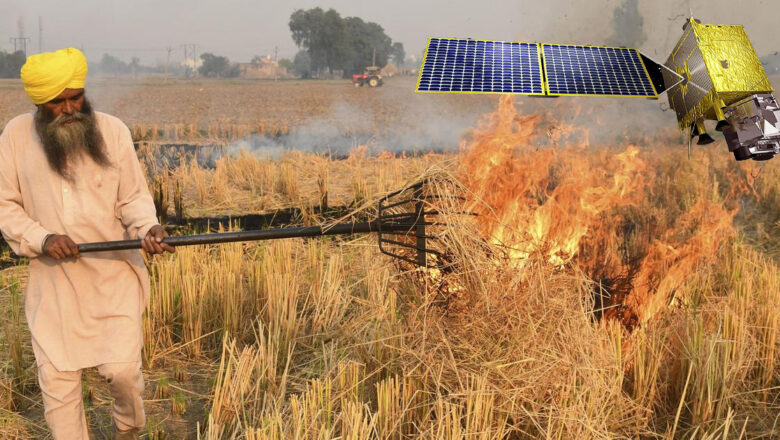
As Canada battles another intense wildfire season, smoke is again drifting across the border, triggering health concerns across the U.S. But a major shift in air quality monitoring may soon help communities respond faster and more accurately. Scientists have developed a new satellite-based method that tracks wildfire smoke in three dimensions, offering neighborhood-level data on how close smoke is to the ground where it poses the greatest health risk. Until recently, satellites could only provide 2D snapshots of smoke plumes, without showing how high the smoke sat in the atmosphere. That was a major limitation. High-altitude smoke might look threatening in images but doesn’t always impact the air we breathe. In contrast, when smoke hugs the surface, it carries hazardous fine particles k...