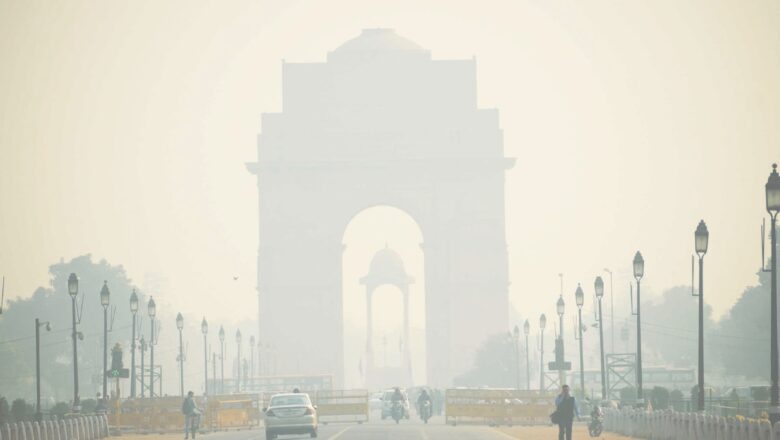
Choking Capital: Tackling Delhi-NCR Air Quality Crisis
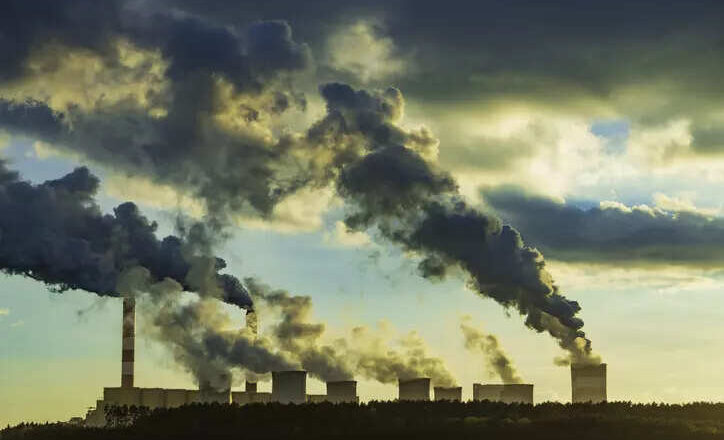
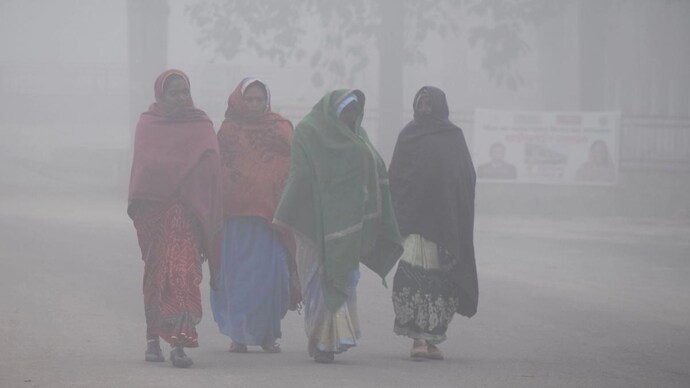
Delhi-NCR continues to grapple with dangerous air pollution levels as the season’s stubble burning and industrial emissions push air quality into the “severe” category. Between September 15 and November 10, more than 4,000 incidents of stubble burning were reported across Punjab and Haryana, worsening the toxic haze enveloping the capital.
In response, authorities have intensified control measures. The Commission for Air Quality Management (CAQM) and the Central Pollution Control Board (CPCB) have submitted detailed affidavits to the Supreme Court outlining the steps taken under the Graded Response Action Plan (GRAP). Over 1,500 polluting industrial units have been shut down, and flying squads have been deployed to ensure enforcement and monitor compliance in affected states.
The Sup...