Wednesday, September 16News That Matters

Breaking News

Canada Last Epishelf Lake Has Disappeared for Good Study Confirms

Canada Last Epishelf Lake Has Disappeared for Good Study Confirms

Breaking News
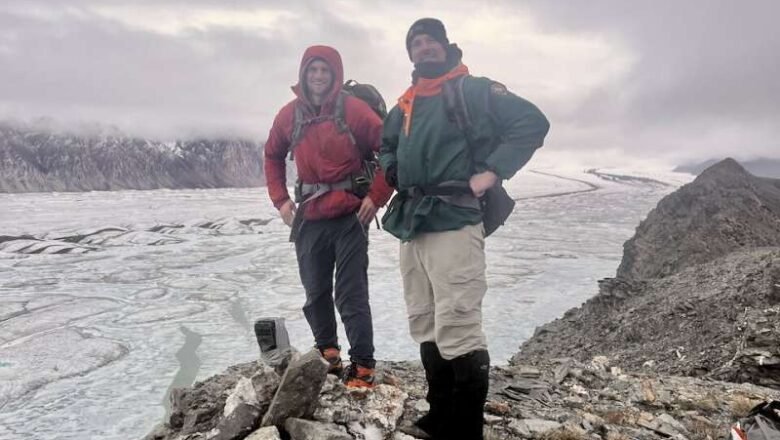
  Canada last known epishelf lake has disappeared permanently after the 2020 breakup of the Milne Ice Shelf in the High Arctic according to a new study published in Scientific Reports. Researchers say the freshwater ecosystem drained into the Arctic Ocean within months of the ice shelf collapse and has shown no signs of recovery. The Milne Fiord epishelf lake was located on northern Ellesmere Island in Nunavut. Epishelf lakes form when an ice shelf acts as a natural dam, trapping freshwater above denser seawater that remains connected to the ocean. The unusual environment supported freshwater microorganisms near the surface while marine species lived in the seawater below. In July 2020, the Milne Ice Shelf broke apart, losing about 45% of its area. The collapse removed the ba...
Arunachal 32 High Risk Glacial Lakes Raise GLOF Threat for Downstream Rivers

Arunachal 32 High Risk Glacial Lakes Raise GLOF Threat for Downstream Rivers

Breaking News
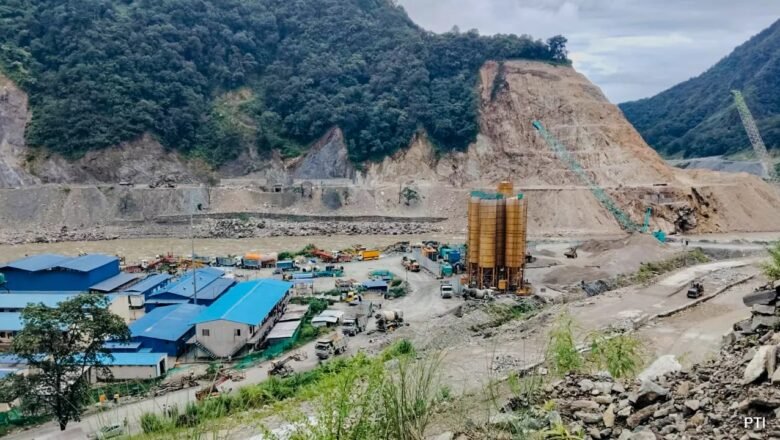
  GUWAHATI, Sept 11: Arunachal Pradesh has 197 expanding glacial lakes, including 32 classified as high risk and requiring active mitigation, raising concerns over potential glacial lake outburst floods (GLOFs) in downstream river systems in Assam and Bhutan, according to river expert Prof Nayan Sarma. Sarma told The Assam Tribune that Arunachal Pradesh and Bhutan, located in the highly vulnerable Eastern Himalayas, are witnessing rapid glacier melt that is creating and expanding unstable proglacial lakes. Among the river systems considered vulnerable to GLOF events are the Tawang Chu, also known as Mago Chu, and the Dibang in Arunachal Pradesh, as well as the Punatsang Chhu and Kuri Chu in Bhutan. The Kameng Chu in Tawang district is also considered vulnerable because of ...
Nepal Glacier Collapse Exposes Limits of Early warning Systems as Climate Change Destabilise Himalayas

Nepal Glacier Collapse Exposes Limits of Early warning Systems as Climate Change Destabilise Himalayas

Breaking News
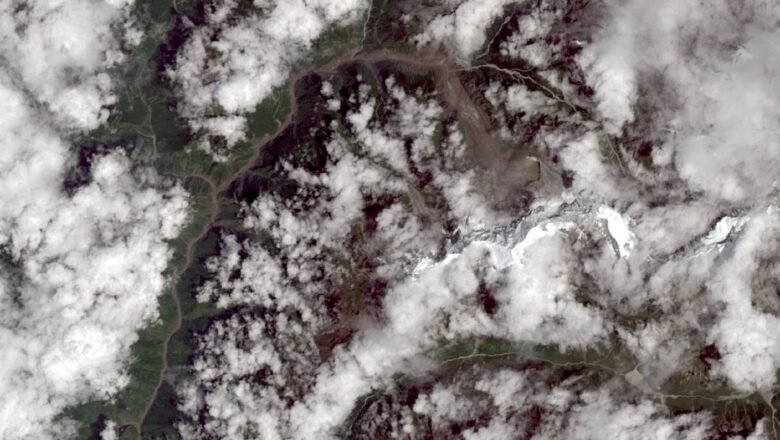
he devastating glacier-related disaster near the Nepal Tibet border has highlighted the growing difficulty of predicting sudden mountain collapses as climate change accelerates the loss of ice and destabilises high altitude landscapes. On August 26, a massive section of a mountain collapsed, sending an estimated 7 billion cubic feet of glacial ice and rock plunging roughly a mile into a river. The impact generated a wall of muddy water that travelled downstream at speeds reported to have reached nearly 100 miles per hour, destroying villages and killing more than 1,300 people, while thousands remained missing. Scientists say the precise sequence of events will take months to establish, but the disaster demonstrates a broader climate risk: warming is altering glaciers, permafrost, roc...
Houthis Reach Strategic Perim Island raising Fresh Threat to vital Bab el-Mandeb Shipping Route

Houthis Reach Strategic Perim Island raising Fresh Threat to vital Bab el-Mandeb Shipping Route

Breaking News
  Yemen’s Iran aligned Houthi forces have reached the strategically important Perim island in the Bab el-Mandeb Strait, tightening their position around a key global maritime chokepoint and raising concerns over further disruption to international shipping and oil supplies. Four Yemeni government sources told Reuters on September 11 that Houthi forces had reached the island after government-backed forces withdrew. Two sources also said the Houthis had captured the mainland Red Sea coastal town of Dhubab, which faces Perim. Control of the Bab el-Mandeb would give the Houthis a strategically significant position opposite the Strait of Hormuz, another crucial oil and shipping corridor. The development could increase pressure on global energy markets, particularly as shipping thr...
Climate Hazards Disrupted Schooling for 171 Million Students Globally in 2025: UNICEF

Climate Hazards Disrupted Schooling for 171 Million Students Globally in 2025: UNICEF

Breaking News
  More than 171 million students or one in 10 children from pre-primary to upper secondary age worldwide had their education disrupted by climate related hazards in 2025, according to a new analysis by UNICEF. The report Learning Interrupted: Global Snapshot of Climate Related School Disruptions in 2025 analysed data from 106 countries and territories. It found that storms, floods, heatwaves, droughts and wildfires disrupted education through school closures, damaged infrastructure, reduced attendance, shortened instructional time and shifts to remote learning. “Climate hazards do more than disrupt lessons, they destroy schools, uproot families, and push the most vulnerable children, especially girls, out of the classroom for good,” UNICEF Executive Director Catherine Russell...
Climate Disasters Deepen Risks for People with Disabilities Study Finds

Climate Disasters Deepen Risks for People with Disabilities Study Finds

Breaking News
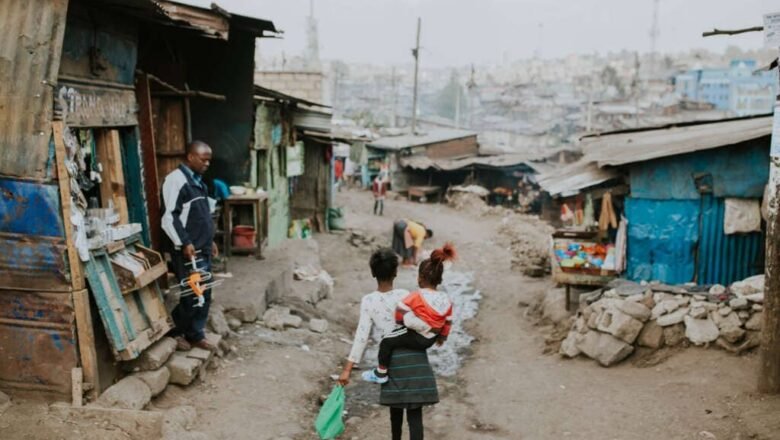
  Climate related hazards such as floods, storms, extreme heat and landslides can deepen existing inequalities for people with disabilities by turning inaccessible infrastructure, communication systems and emergency services into additional barriers a new study from Kerala has found. The study published in Global Environmental Change examined how people with disabilities experience and respond to climate change. Researchers conducted 72 semi structured interviews with people with disabilities, caregivers and institutional stakeholders between February 2023 and June 2024. The findings show that climate vulnerability is shaped not simply by disability but by physical, social, economic and institutional barriers. These include inaccessible early warning systems, evacuation route...
Southern Ocean Could Start Releasing CO2 After Net Zero Study Warns

Southern Ocean Could Start Releasing CO2 After Net Zero Study Warns

Breaking News
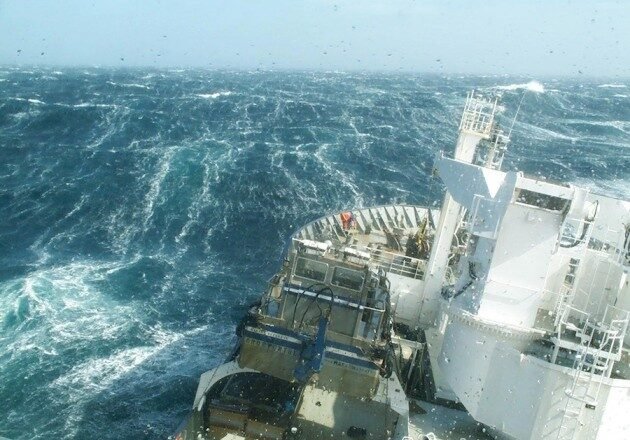
The Southern Ocean currently absorbs about 10% of human caused carbon emissions, but researchers say it could become a net source of carbon dioxide if atmospheric CO2 concentrations begin to decline after global net zero emissions are achieved. The Southern Ocean, the world’s largest regional carbon sink, could eventually begin releasing more carbon dioxide into the atmosphere than it absorbs once global emissions reach net zero and atmospheric CO2 levels fall, according to a new study reported by New Scientist. The finding highlights a major challenge for efforts to reverse climate change. Researchers say the ocean’s response to declining atmospheric carbon dioxide could prolong global warming for centuries, even if humanity succeeds in removing enormous quantities of CO2 from the a...
Asian Games Athletes Evacuated as Record Rainfall Floods Nagoya

Asian Games Athletes Evacuated as Record Rainfall Floods Nagoya

Breaking News
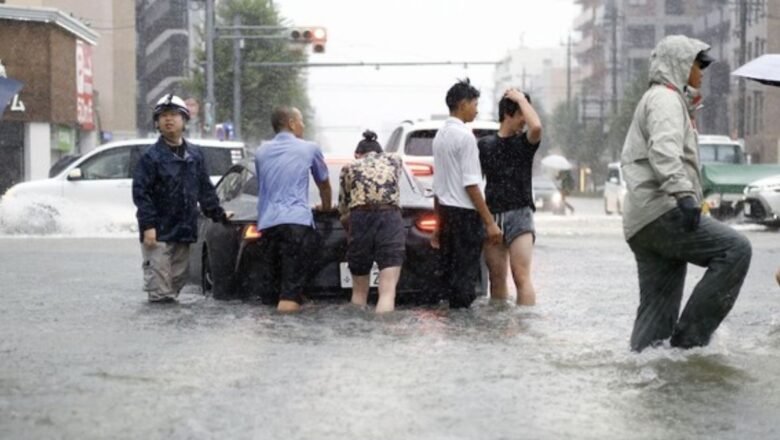
  Hundreds of athletes and staff were temporarily evacuated in Nagoya after record rainfall caused widespread flooding, disrupted public transport and led to water leaking into several Asian Games venues. NAGOYA: Hundreds of Asian Games athletes in Japan were temporarily evacuated from their accommodation after record rainfall caused severe flooding in Nagoya, just days before the continental sporting event officially opens. About 104 millimetres of rain fell in just one hour in Nagoya on Tuesday, prompting municipal authorities to issue an evacuation order for parts of the city. The intense rainfall flooded roads, disrupted public transport and forced athletes staying in temporary accommodation near Nagoya Port to move to safer ground. Nagoya Mayor Ichiro Hirosawa said around...
August 2026 Joint Hottest Month on Record Copernicus Says

August 2026 Joint Hottest Month on Record Copernicus Says

Breaking News
  Global temperatures reached 1.65°C above pre industrial levels in August, while record warm oceans, drought, wildfires and exceptionally low river flows underscored the intensifying impacts of climate change. August 2026 tied July 2023 as the hottest month ever recorded globally with the average surface air temperature reaching 16.96°C according to the Copernicus Climate Change Service (C3S), implemented by the European Centre for Medium Range Weather Forecasts (ECMWF). The global temperature in August was 0.85°C above the 1991–2020 average and 1.65°C above the pre industrial level. It was also the hottest August on record, surpassing the previous joint record set in 2023 and 2024. The month marked the first time since November 2025 that the global monthly average temper...
Japan Turns to Low Pollen Trees to Tackle Growing Hay Fever Crisis

Japan Turns to Low Pollen Trees to Tackle Growing Hay Fever Crisis

Breaking News
More than 40% of Japan’s population suffers from hay fever, prompting the government to replace pollen heavy forests with low pollen tree varieties as climate change lengthens the annual allergy season. Japan is turning to low and no pollen tree varieties as it seeks to tackle a nationwide hay fever crisis linked largely to two species planted extensively after the Second World War. More than 40% of Japan’s population now suffers from hay fever, locally known as kafunsho according to a report by Mongabay. The condition causes symptoms including sneezing, runny noses, itchy eyes and throat irritation, with symptoms typically intensifying during the spring pollen season. Two tree species sugi (Cryptomeria japonica) commonly known as Japanese cedar, and hinoki (Chamaecyparis obtusa) ...