Thursday, February 26News That Matters

Breaking News

Pakistan Urges Global Recognition of Water Insecurity as Systemic Risk, Criticises India Over Indus Treaty Suspension

Pakistan Urges Global Recognition of Water Insecurity as Systemic Risk, Criticises India Over Indus Treaty Suspension

Breaking News
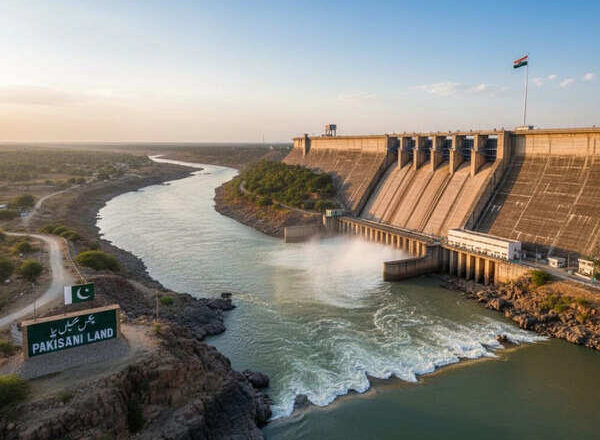
    Pakistan has called on the international community to recognise water insecurity as a systemic global risk, warning that disruptions in shared river basins threaten food security, livelihoods and regional stability. The appeal was made amid rising tensions with India following New Delhi’s unilateral decision to place the Indus Waters Treaty in abeyance. Speaking at a United Nations policy roundtable on global water stress, Pakistan’s Acting Permanent Representative to the UN, Ambassador Usman Jadoon, said water insecurity is no longer a local or regional concern but a global challenge affecting food production, energy systems, public health and human security across regions. “For Pakistan, this is a lived reality,” Jadoon said, describing the country as a climate-...
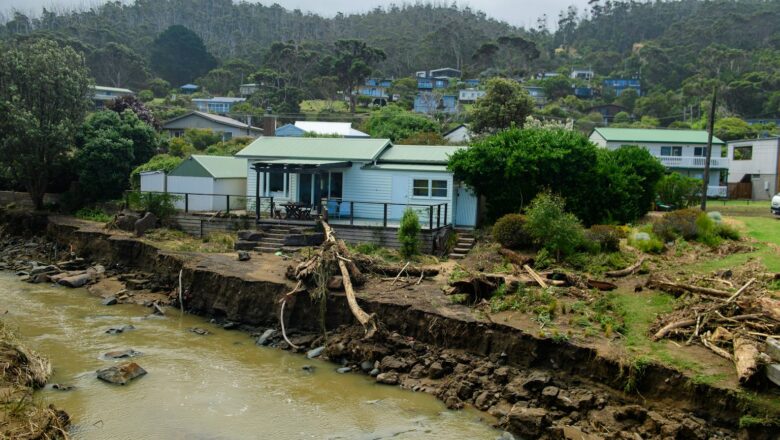
More Floods Are Coming and Research Shows What Actually Helps People Prepare

More Floods Are Coming and Research Shows What Actually Helps People Prepare

Breaking News
    Severe storms and flooding are becoming more frequent, and recent events in Australia show just how unprepared many people still are. In New South Wales alone, the State Emergency Service responded to more than 1,600 incidents after weekend storms, while flash floods in Victoria last week swept cars into the sea and forced people to flee with little warning. Even residents who had lived in these areas for years were caught off guard, highlighting the limits of current flood preparedness strategies. For decades, governments and risk agencies have relied on top-down approaches to prepare communities for floods. These methods usually involve warnings, advertisements and public information campaigns that tell people what to do and expect them to act accordingly. Despite ...
Amid Hunger and Poor Nutrition, India Food Waste Is Feeding a Dangerous Climate Loop

Amid Hunger and Poor Nutrition, India Food Waste Is Feeding a Dangerous Climate Loop

Breaking News
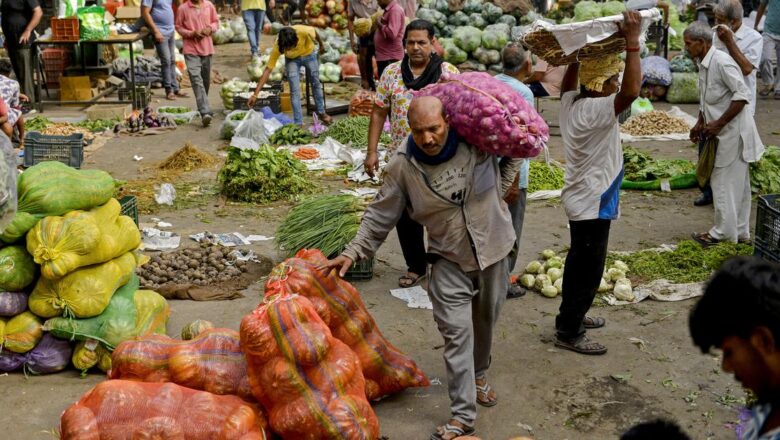
    India is facing a deep contradiction. Millions of people struggle with hunger and poor nutrition, yet enormous quantities of food are wasted every year. This waste is not only an economic failure but also a serious climate problem, creating a vicious cycle where climate disasters cause food loss, and rotting food further worsens climate change. While global leaders recently met at COP30 to discuss climate action, the effects of climate change were already unfolding on the ground in India. An intense and unusually early heatwave scorched large parts of the country, while unprecedented floods in Punjab, India’s key food-producing region, submerged farmland and destroyed crops. These extreme weather events directly reduced food availability and damaged farmer livelihood...
Sacred Groves in the Northern Western Ghats Face the Highest Human Pressure Despite Their Ecological Importance

Sacred Groves in the Northern Western Ghats Face the Highest Human Pressure Despite Their Ecological Importance

Breaking News
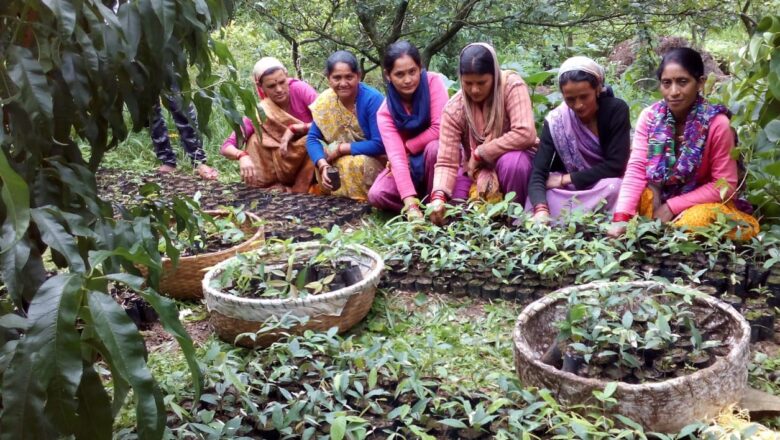
    Sacred groves in India’s northern Western Ghats are experiencing the highest levels of human disturbance among all forest protection regimes, according to a new scientific study. The findings highlight a growing paradox: forest patches that have traditionally survived through cultural protection are now among the most pressured, even as they continue to play a crucial role in conserving biodiversity. Sacred groves are community-protected forest patches linked to religious beliefs and nature worship. For generations, social taboos and cultural practices helped safeguard these ecosystems from exploitation. However, researchers found that these groves now face intense anthropogenic pressure, driven by changing land-use patterns, urbanisation and the gradual erosion of t...
How Unrecyclable Plastic Waste Can Be Converted into Valuable Liquid Fuel

How Unrecyclable Plastic Waste Can Be Converted into Valuable Liquid Fuel

Breaking News
    In an industrial pocket of Chandigarh, a quiet but significant transformation is taking place that could change how the world deals with plastic waste. Inside a specialised recycling facility, plastic films that usually end up in landfills are being converted into valuable liquid fuel, offering a promising solution to one of the most stubborn environmental problems of our time. While rigid plastics such as PET bottles are widely recycled, flexible plastic packaging used for chips, biscuits and food wrappers has long posed a challenge. These multi-layered films are difficult to recycle and are often dumped in landfills, where they contribute to pollution and methane emissions. Globally, recycling rates for such plastics remain in single digits. The Chandigarh facil...
Bad Weather and Disease Deal Heavy Blow to Apple Production in Himachal Pradesh

Bad Weather and Disease Deal Heavy Blow to Apple Production in Himachal Pradesh

Breaking News
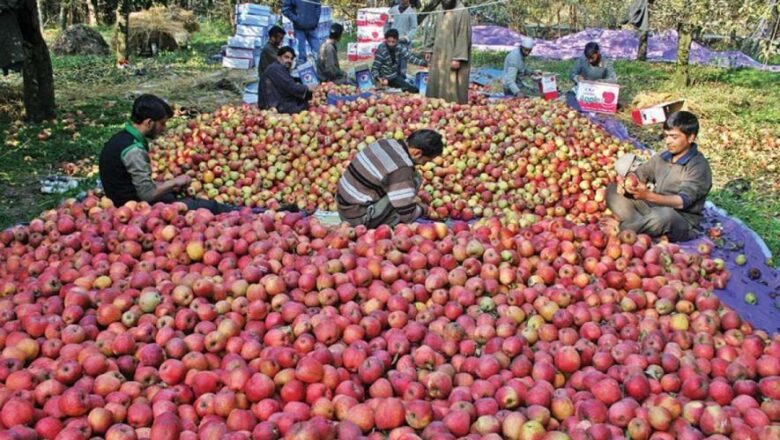
    Apple production in Himachal Pradesh has dropped sharply this season, with growers reporting losses of at least 50 per cent due to unfavourable weather conditions, fungal disease outbreaks and poor road connectivity. The combined impact has badly hit both yield and trade, leaving thousands of orchardists under financial stress. After torrential rainfall during the monsoon, the hill state witnessed a prolonged dry spell, creating ideal conditions for fungal infections in apple orchards. Farmers say Alternaria leaf spot disease spread rapidly, damaging leaves, causing early defoliation and affecting fruit quality. As a result, apples were smaller in size, poorly coloured and less appealing for markets. The situation worsened due to damaged roads caused by heavy rain...
Tree Felling for Delhi Rail Project Gets Approval Even as Dwarka Forest Case Remains Pending

Tree Felling for Delhi Rail Project Gets Approval Even as Dwarka Forest Case Remains Pending

Breaking News
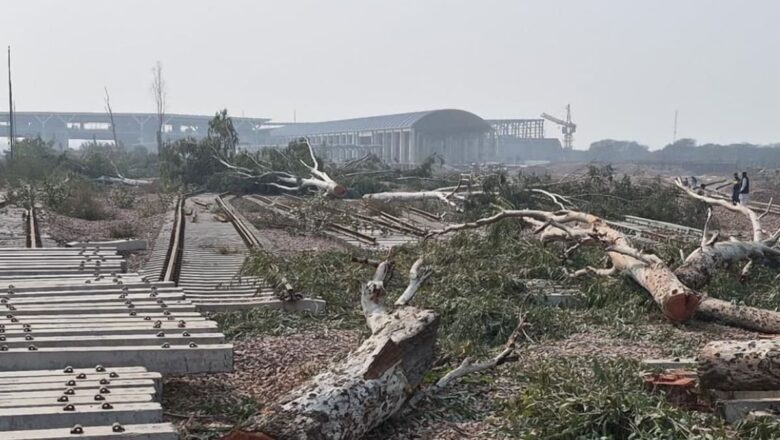
    The Centre Empowered Committee operating under the supervision of the Supreme Court has given final approval for the felling of 1,279 trees for the Bijwasan Rail Terminal project in Delhi’s Dwarka Sector 21, even though legal proceedings related to the area are still pending before the National Green Tribunal and the Supreme Court. The decision clears the last major environmental hurdle for the Rail Land Development Authority, allowing it to begin critical external infrastructure work near the Indira Gandhi International Airport. The project includes approach roads, footpaths, metro connectivity, skywalks, rotary ramps and other facilities required for the new terminal. The Rail Land Development Authority had initially sought permission to remove 1,293 trees. Afte...
Pollution Is Making Winter Fog Thicker and Longer Lasting Across North India, Satellites Reveal

Pollution Is Making Winter Fog Thicker and Longer Lasting Across North India, Satellites Reveal

Breaking News
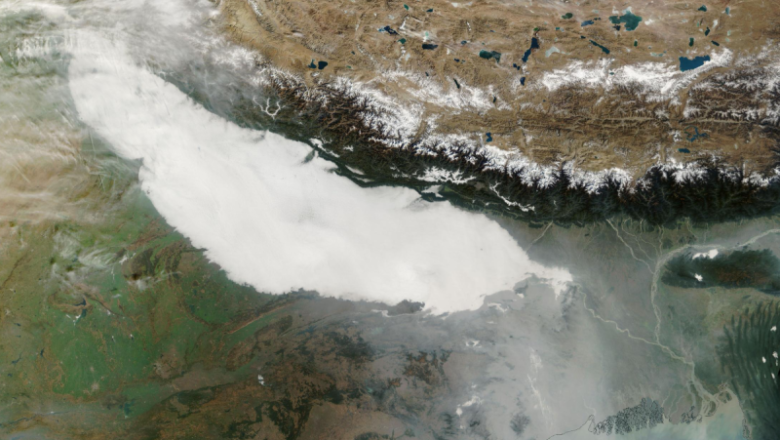
    Winter fog over the Indo-Gangetic Plain has long disrupted daily life in North India, grounding flights, delaying trains, slowing road traffic and causing major economic losses every year. While fog itself is a familiar winter feature, scientists have struggled to explain why some fog episodes become unusually dense and linger for days. A new study by researchers from the Indian Institute of Technology Madras provides a clear explanation. The research shows that rising air pollution is directly responsible for making winter fog thicker, deeper and more persistent across northern India. The findings are based on 15 years of satellite observations combined with advanced computer simulations. The study, published in the journal Science Advances uses data from NASA’s ...
Time and Neglect Have Changed Damdama Lake in Gurugram, but Its Promise Still Remains

Time and Neglect Have Changed Damdama Lake in Gurugram, but Its Promise Still Remains

Breaking News
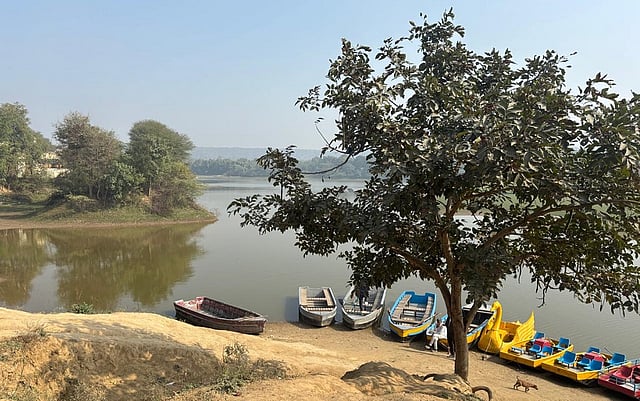
    On a cold December morning in 1995, second-year students from one of Delhi University premier women’s colleges set out on a long-awaited picnic. Wrapped in coats and jackets, they boarded a bus headed to Damdama Lake, near a small village of the same name on the outskirts of Gurugram, then still known as Gurgaon. Nestled in the folds of the ancient Aravalli hills, the lake was a cherished escape for Delhiites, a place where water, forests and sky came together in quiet harmony. The journey took nearly three hours, in a time before expressways compressed distances and Gurugram transformed into an urban sprawl. The bus windows refused to shut, letting in icy winds that numbed hands and faces. The first hour passed in silence. Gradually, as the sun climbed and warmth se...
Time and Neglect Have Changed Damdama Lake in Gurugram, but Its Promise Still Remains

Time and Neglect Have Changed Damdama Lake in Gurugram, but Its Promise Still Remains

Breaking News
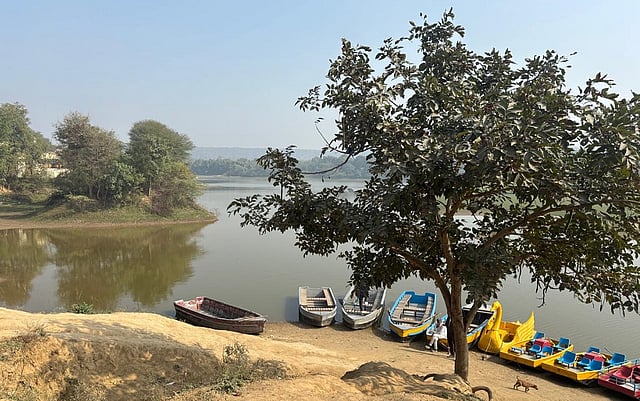
    On a cold December morning in 1995, second-year students from one of Delhi University premier women’s colleges set out on a long-awaited picnic. Wrapped in coats and jackets, they boarded a bus headed to Damdama Lake, near a small village of the same name on the outskirts of Gurugram, then still known as Gurgaon. Nestled in the folds of the ancient Aravalli hills, the lake was a cherished escape for Delhiites, a place where water, forests and sky came together in quiet harmony. The journey took nearly three hours, in a time before expressways compressed distances and Gurugram transformed into an urban sprawl. The bus windows refused to shut, letting in icy winds that numbed hands and faces. The first hour passed in silence. Gradually, as the sun climbed and warmth se...