Friday, October 2News That Matters

Breaking News

Korba Coal Surge Sparks Ecological Crisis: Study Warns of Forest Cover Fall and Land Degradation

Korba Coal Surge Sparks Ecological Crisis: Study Warns of Forest Cover Fall and Land Degradation

Breaking News
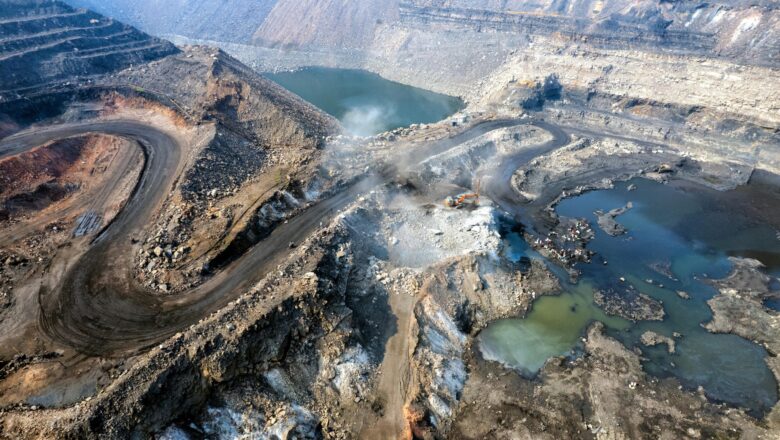
RAIPUR: A sweeping new study has sounded alarm bells over the devastating environmental toll of coal mining in Chhattisgarh’s Korba district, where forest cover has plunged from 35.56% in 1995 to just 14% in 2024. The findings paint a grim picture of how unchecked mining expansion particularly open-cast operations is stripping the land of its natural resilience and triggering widespread degradation. Home to 13 operational coal mines and four more in the pipeline, Korba stands at the heart of India’s power ambitions. With coal production expected to peak at 180 million tonnes by 2025, researchers warn that this industrial surge is coming at a profound ecological cost. The study, led by Dr. Joystu Dutta from Sant Gahira Guru University, revealed that the scale of land use and land cove...
World Must Urgently Scale Up Wetland Investments to Avoid Irreversible Loss: Global Wetland Outlook 2025

World Must Urgently Scale Up Wetland Investments to Avoid Irreversible Loss: Global Wetland Outlook 2025

Breaking News
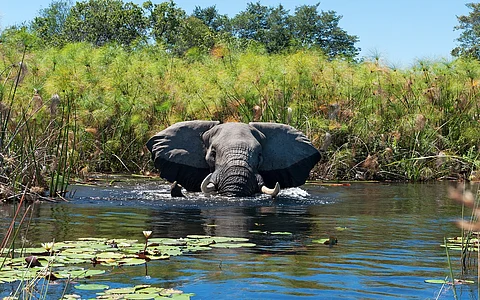
A staggering 550 million hectares of wetlands must be conserved or restored globally to reverse accelerating environmental degradation, according to the Global Wetland Outlook: Third Edition (GWO3) released today by the Ramsar Convention Scientific and Technical Review Panel. The cost? Roughly 0.5% of current global GDP a price far smaller than the economic and ecological losses at stake. The report paints a stark picture of ongoing wetland depletion, with 411 million hectares lost since 1970, equivalent in size to the Gulf of Aden. Wetlands are disappearing at an annual rate of 0.5%, with inland marshes, swamps, and lakes hit hardest. Once seen as wastelands ripe for reclamation, these ecosystems are now recognised as critical natural infrastructure, providing clean water, food, flood ...
Heavy Rains Set to Soak Haryana as Monsoon Strengthens

Heavy Rains Set to Soak Haryana as Monsoon Strengthens

Breaking News
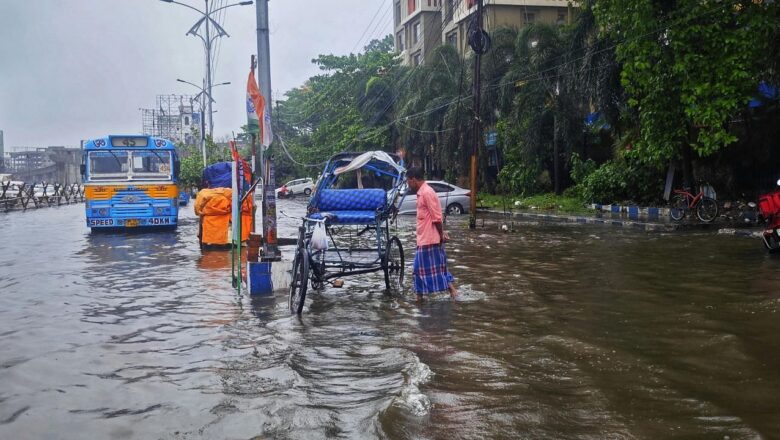
Gurgaon: After intermittent showers over the past few days, Haryana is bracing for a spell of intense rainfall next week as the monsoon gathers momentum. The India Meteorological Department (IMD) has issued a heavy rainfall alert from July 20 to 22 across northern, eastern and southern parts of the state, including Gurgaon. While Saturday may bring light rain in isolated areas, weather officials warn that the intensity and spread of rain will increase significantly by Monday and Tuesday potentially triggering localized flooding and waterlogging, especially in low-lying zones. According to IMD experts this surge is being driven by a depression over northwest Rajasthan and an active monsoon trough in the region. In addition a fresh western disturbance at mid-tropospheric levels is expe...
Centre Exempts Majority of Coal Plants from SO₂ Norms, Drawing Expert Criticism

Centre Exempts Majority of Coal Plants from SO₂ Norms, Drawing Expert Criticism

Breaking News
In a move that has sparked sharp debate among environmental experts the Ministry of Environment, Forest and Climate Change has exempted nearly 78% of India coal-based thermal power plants from installing flue gas desulphurisation (FGD) systems devices critical for curbing sulphur dioxide (SO₂) emissions a major source of PM2.5 pollution and acid rain. Originally mandated in 2015 to install FGD units by 2017, power plants received multiple deadline extensions over the years. The government now says that Category C plants those situated outside critical pollution zones and representing the bulk of India's thermal capacity are no longer required to comply. Additionally, plants due for retirement before 2030 are allowed exemption upon submitting an undertaking. The Centre defended the re...
Alien Plant Invasion Reshaping Tropics Threatens Native Biodiversity: Study

Alien Plant Invasion Reshaping Tropics Threatens Native Biodiversity: Study

Breaking News
A global study published in Nature Reviews Biodiversity has revealed a disturbing trend: alien plant species are rapidly overtaking native ecosystems across the tropical world including large parts of India. Driven by climate change and intensified human activity these invasive plants are reshaping biodiversity hotspots threatening both ecological balance and human livelihoods. The researchers focused on what they call the "Greater Tropics" the tropical and subtropical zones that account for nearly 60% of Earth’s land area and support over a billion people. Alarmingly, these regions now host a rapidly growing number of alien vascular plant species many of which are becoming dominant forces in their new environments. Since the 1950s, the number of plant species introduced outside thei...
Yamuna River Turns Toxic: Faecal Bacteria Levels Soar to 4,000 Times the Safe Limit

Yamuna River Turns Toxic: Faecal Bacteria Levels Soar to 4,000 Times the Safe Limit

Breaking News
New Delhi: Despite Delhi enjoying relatively cleaner air in recent weeks the state of its water bodies remains a growing concern. A new report from the Delhi Pollution Control Committee (DPCC) has revealed alarming levels of pollution in the Yamuna River, with faecal coliform bacteria indicative of untreated sewage found to be over 4,000 times the safe limit. According to the July 17 status report, faecal coliform counts at key points such as the ITO Bridge reached a staggering 92,00,000 MPN/100 ml, compared to the permissible limit of 2,500 MPN/100 ml set by the Central Pollution Control Board (CPCB). Similar dangerously high levels were observed downstream at Nizamuddin, Okhla, and Agra Canal, underscoring the worsening contamination along the river's 22-kilometre journey through the ...
Kabul Faces Historic Water Collapse as Groundwater Runs Dry and Aid Freezes

Kabul Faces Historic Water Collapse as Groundwater Runs Dry and Aid Freezes

Breaking News
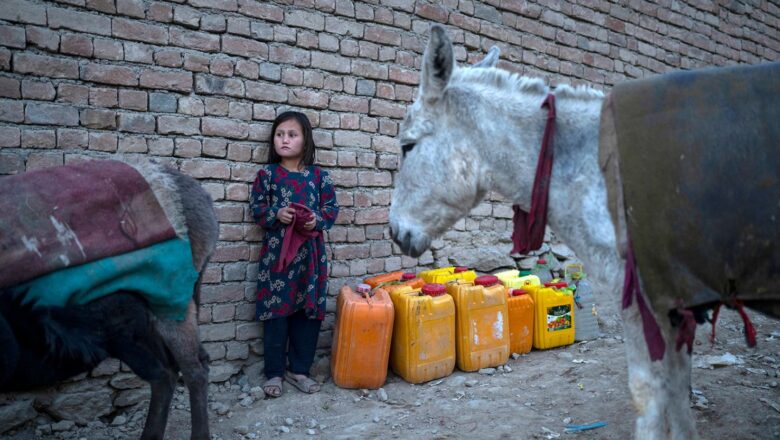
As Kabul wakes each morning under a blistering sun residents brace for another day of water shortages that threaten to upend life in Afghanistan capital. Once a city of hope for millions Kabul is now on the verge of becoming the first modern capital to run completely dry. This looming disaster is not the result of a single cause but the culmination of years of rapid population growth, relentless groundwater extraction, and a fast-changing climate. According to a recent Mercy Corps report, nearly half of Kabul boreholes have already gone dry, and the water table has dropped by up to 30 meters over the past decade. For families like that of 42-year-old Raheela, every drop counts. She and her children rush to collect water from private tankers each morning, paying steep prices for a few...
Africa wetlands face crisis as development pressure accelerates decline

Africa wetlands face crisis as development pressure accelerates decline

Breaking News
Africa wetlands vital ecosystems that sustain millions of lives, are rapidly deteriorating due to unchecked urbanisation, industrial expansion, and infrastructure development, according to the 2025 Global Wetland Outlook released by the Ramsar Convention. The report paints a bleak picture of the continent’s wetland health, placing it among the most degraded globally. Despite being essential for food, water, flood control, and climate resilience, wetlands in Africa particularly in nations like South Africa are degrading at a pace faster than restoration efforts can keep up. “South African wetlands continue to degrade faster than investment in their rehabilitation,” the report noted, pointing to a broader pattern of ecological decline throughout the continent. While wetlands across all...
New Lichen Species Found in Western Ghats Boosts India’s Biodiversity Records

New Lichen Species Found in Western Ghats Boosts India’s Biodiversity Records

Breaking News
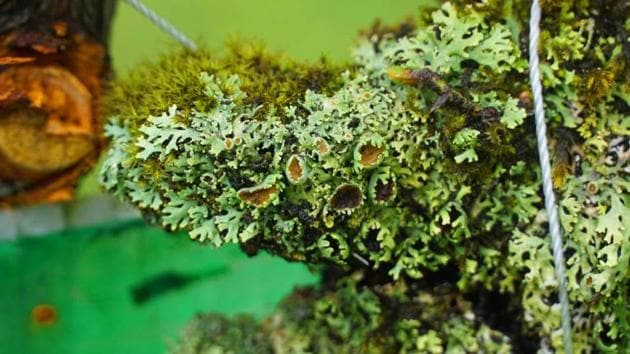
In a major scientific breakthrough, researchers have discovered a new species of lichen in the Western Ghats, one of India's most biodiverse regions. The species, Allographa effusosoredica, marks a milestone in the study of symbiotic organisms in India, becoming the first of its genus to be confirmed through molecular sequencing in the country. The discovery was led by a team at the MACS-Agharkar Research Institute in Pune, under the Department of Science and Technology (DST), with support from the Anusandhan National Research Foundation (ANRF). Researchers Ansil P. A., Rajeshkumar K. C., Sruthi O. P., and Bharati O. Sharma used a modern, integrative approach combining DNA sequencing, chemical analysis, and morphological observations to identify the species. Lichens are unique organi...
Delhi Cloud Seeding Experiment Set for September to Tackle Air Pollution

Delhi Cloud Seeding Experiment Set for September to Tackle Air Pollution

Breaking News
Delhi will launch a pilot cloud seeding operation in early September in a bid to induce artificial rainfall and combat persistent air pollution. Announced by Environment Minister Manjinder Singh Sirsa, the project is being coordinated by IIT-Kanpur and marks a major scientific intervention in the capital’s ongoing battle against deteriorating air quality. The initiative originally scheduled for early July, was delayed after detailed assessments by the India Meteorological Department (IMD), IIT-Kanpur, and the Indian Institute of Tropical Meteorology (IITM), Pune, found the weather conditions to be unsuitable. Experts concluded that effective cloud seeding would be more viable during the retreating monsoon, when cloud structures are typically more favourable for rain induction. Now re...