Tuesday, March 3News That Matters

Breaking News

Hot Water on Ancient Mars? Tiny Martian Zircon Reveals Oldest Evidence Yet

Hot Water on Ancient Mars? Tiny Martian Zircon Reveals Oldest Evidence Yet

Breaking News, Learning & Developments, Space
A groundbreaking study has uncovered the oldest evidence of water on Mars dating back 4.45 billion years, just shortly after the planet formed. The discovery, rooted in analysis of a Martian meteorite called NWA 7034, suggests Mars had hot water circulating in its crust, potentially creating environments suitable for microbial life. Key Findings Researchers from Curtin University identified a microscopic zircon grain in the meteorite, which contains minerals that could only form in the presence of water. This water, however, wasn’t just ordinary it was likely scalding hot, resembling conditions in hydrothermal vents or hot springs seen on Earth. “This is the earliest evidence of water on Mars, predating Earth’s oldest water signatures,” said geologist Aaron Cavosie of Curtin Unive...
Breaking News Depression in Bay of Bengal Intensifies, Landfall Expected Between Chennai and Puducherry

Breaking News Depression in Bay of Bengal Intensifies, Landfall Expected Between Chennai and Puducherry

Breaking News, Climate Actions, Disasters, Environment
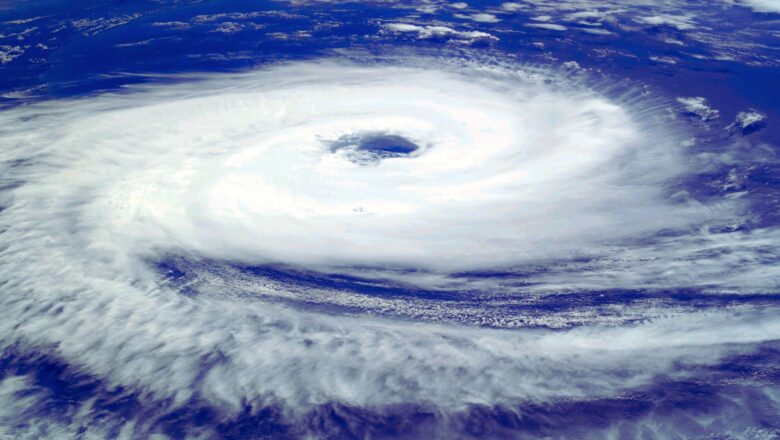
The India Meteorological Department (IMD) has issued a critical alert as a depression over the Southwest Bay of Bengal and East Equatorial Indian Ocean moves toward the Sri Lanka and Tamil Nadu coasts. The weather system is expected to intensify into a deep depression within the next 24 hours and could potentially make landfall between Chennai and Puducherry in the coming days. Current Position and Movement As of 11:30 AM IST on November 25, the depression was located at: 5.1°N latitude and 84.5°E longitude Approximately 530 km southeast of Trincomalee (Sri Lanka) 810 km southeast of Nagappattinam 920 km southeast of Puducherry 1,000 km south-southeast of Chennai The system is currently moving west-northwestward at a speed of 30 km/h. IMD’s Projections Accor...
Japan and UNDP to Build 12 Evacuation Centers in Laos to Strengthen Disaster Resilience

Japan and UNDP to Build 12 Evacuation Centers in Laos to Strengthen Disaster Resilience

Breaking News, Climate Actions, Disasters
Vientiane: The United Nations Development Programme (UNDP), with support from the Government of Japan, is set to construct 12 evacuation centers in the provinces of Khammouane, Salavan, and Champasack over the next three years. This initiative, valued at approximately USD 3.8 million, aims to enhance disaster preparedness and safeguard vulnerable communities in Laos. At the signing ceremony, H.E. Mr. Koizumi Tsutomu, Ambassador of Japan to Laos, emphasized the broader goals of the project: "Through this project, we aim to enhance disaster resilience, not only by ensuring the safety of people during emergencies but also by fostering a culture of disaster awareness and preparedness in advance." The "Strengthening Disaster Response Capacity through the Improvement of Evacuation Shelt...
Global Cities Fail to Meet Tree Canopy Goals Despite Abundance of Trees

Global Cities Fail to Meet Tree Canopy Goals Despite Abundance of Trees

Breaking News, Climate Actions, Environment
New research has revealed that most global cities, including Melbourne and Sydney, lack adequate tree canopy coverage, even though trees are abundant in urban landscapes. The study, published in Nature Communications, measured over 2.5 million buildings across eight cities using the '3-30-300' rule, a benchmark for sustainable urban nature access. Melbourne and Sydney Fall Short The study found that only 3% of buildings in Melbourne's inner suburbs had sufficient canopy cover, despite 44% of buildings having views of at least three trees. Central Sydney performed slightly better, with 17% of buildings shaded adequately, though 84% of buildings had views of three or more trees. Lead researcher Dr. Thami Croeser from the Centre for Urban Research said urgent action is needed to incr...
Japan and UNDP Join Hands to Build Disaster-Resilient Evacuation Centers in Laos

Japan and UNDP Join Hands to Build Disaster-Resilient Evacuation Centers in Laos

Breaking News, Disasters, Environment
Vientiane, November 24, 2024: The Government of Japan and the United Nations Development Programme (UNDP) have partnered to construct 12 state-of-the-art evacuation centers in the disaster-prone provinces of Khammouane, Salavan, and Champasack in Laos over the next three years. The initiative, valued at $3.8 million, aims to enhance disaster resilience and foster a culture of preparedness in the region. At the signing ceremony, H.E. Mr. Koizumi Tsutomu, Japan's Ambassador to Laos, emphasized the importance of the project: "This initiative not only ensures safety during emergencies but also promotes disaster awareness and preparedness. Japan remains committed to strengthening Laos' resilience as a strategic partner." A Lifeline for Vulnerable Communities The Strengthening Disast...
Study Finds Global Cities Falling Short on Tree Canopy Cover for Urban Health

Study Finds Global Cities Falling Short on Tree Canopy Cover for Urban Health

Breaking News, Climate Actions, Environment
New research analyzing access to urban greenery across eight major global cities, including Melbourne and Sydney, reveals alarming gaps in tree canopy cover, despite the presence of visible trees. The study, published in Nature Communications, applies the ‘3-30-300’ rule, a sustainable cities benchmark, to evaluate urban nature access and its benefits. The '3-30-300' Rule Explained The rule, developed by Dutch urban forestry expert Professor Cecil Konijnendijk, suggests every home, school, and workplace should: Have a view of at least three trees. Be in a neighborhood with 30% tree canopy cover. Be within 300 meters of a park. While most buildings in the study met the "three trees" requirement, almost all cities fell short of the 30% canopy cover benchmark. Key Findi...
Microplastics Found in Clogged Arteries Linked to Increased Stroke and Heart Attack Risk

Microplastics Found in Clogged Arteries Linked to Increased Stroke and Heart Attack Risk

Breaking News, Environment, Learning & Developments
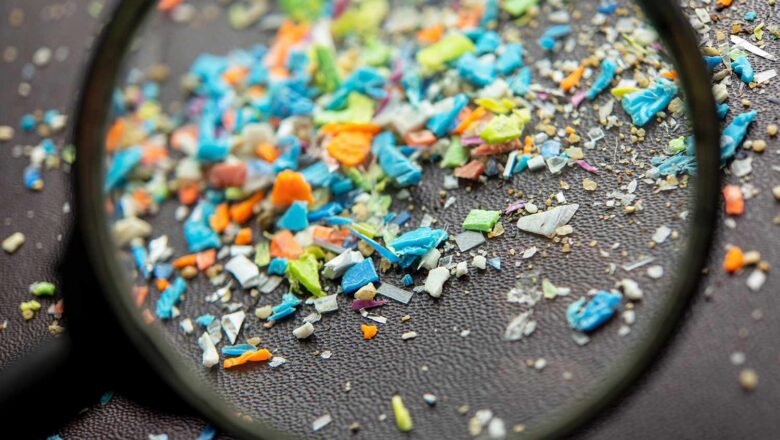
Microplastics, tiny plastic fragments that infiltrate human tissues, have been detected in arterial plaques, raising significant concerns about cardiovascular health. A groundbreaking study published in The New England Journal of Medicine explores the association between microplastics in fat-clogged arteries and increased risks of stroke, heart attacks, and death. Led by Dr. Raffaele Marfella from the University of Campania, Naples, the study analyzed fatty deposits removed from 257 patients undergoing carotid endarterectomy, a surgical procedure to reduce stroke risk. Key findings include: Microplastics Presence: Nearly 60% of the plaques contained polyethylene, commonly found in plastic bags and bottles. Additionally, 12% contained polyvinyl chloride (PVC), used in pipes, flooring,...
Solar Orbiter Captures Most Detailed Images of the Sun Yet

Solar Orbiter Captures Most Detailed Images of the Sun Yet

Breaking News, Learning & Developments, Space
From a staggering distance of 74 million kilometers, the ESA/NASA Solar Orbiter has delivered breathtaking new images of the Sun, showcasing unprecedented details of our closest star. Despite the vast distance, the Orbiter's advanced instruments have captured some of the highest-resolution images ever taken, shedding light on the Sun's magnetic and plasma dynamics. Launched in 2020, the Solar Orbiter is on a mission to unravel the Sun's mysteries, from its solar wind to the complex behavior of its magnetic field and dynamic eruptions like solar flares. Among its objectives is producing detailed, high-resolution imagery of the Sun's surface, a feat it accomplishes using cutting-edge instruments: Polarimetric and Helioseismic Imager (PHI): A German contribution capturing the Sun's ma...
Stubble Burning and Pollution: ICAR Warns of Irreparable Damage to Soil and Air Quality

Stubble Burning and Pollution: ICAR Warns of Irreparable Damage to Soil and Air Quality

Breaking News, Environment
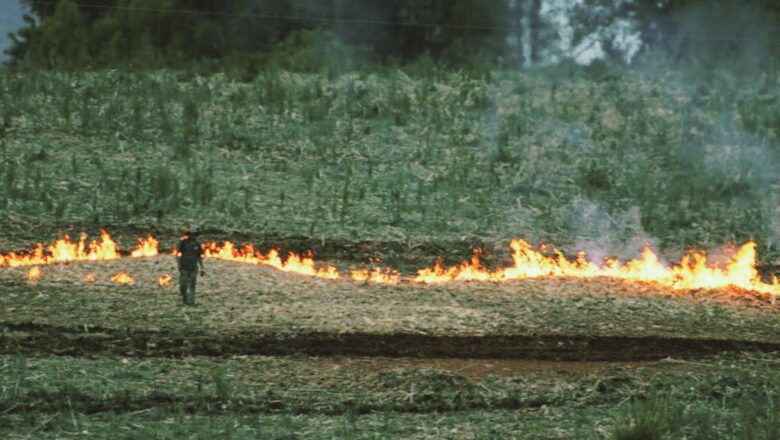
As Delhi continues to choke under hazardous air pollution senior scientists from the Indian Council of Agricultural Research (ICAR) have raised alarms about the dual damage caused by stubble burning—not only polluting the air but also depleting vital soil nutrients. Nutrient Loss and Soil Degradation ICAR scientists revealed that burning one tonne of paddy stubble results in a significant loss of soil nutrients, including: 12-13 kg of phosphorus 35 kg of potassium 20 kg of nitrogen Of these, nitrogen is completely lost, while phosphorus is partially recoverable. ICAR Director General Himanshu Pathak emphasized that stubble burning harms both the environment and agricultural productivity, stating, “In any form, stubble should not be burnt as it harms everyone.” Rising P...
Tamil Nadu Declares Extreme Heat a State-Specific Disaster: A Welcome Move with Caveats

Tamil Nadu Declares Extreme Heat a State-Specific Disaster: A Welcome Move with Caveats

Breaking News, Climate Actions, Disasters, Environment
In a significant step towards tackling the growing threats of climate change, the Tamil Nadu government officially notified extreme heat as a State-specific disaster in October. This decision broadens the scope of institutional mechanisms to protect those at risk of heat-related health issues or fatalities, offering a safety net for citizens during deadly heatwaves. However, while the move reflects foresight in addressing climate-induced risks, there are critical aspects that warrant closer scrutiny. Expanded Welfare Responsibilities By recognizing extreme heat as a disaster, Tamil Nadu takes on the responsibility to mitigate its effects, aligning with the broader mandate of public welfare. The notification includes proactive measures such as ensuring access to medical care, provi...