Wednesday, January 28News That Matters

Breaking News

CDRI Launches Major Funding Initiative to Enhance Infrastructure Resilience in Small Island Developing States

CDRI Launches Major Funding Initiative to Enhance Infrastructure Resilience in Small Island Developing States

Breaking News, Climate Actions, Learning & Developments
The Coalition for Disaster Resilient Infrastructure (CDRI) has unveiled a substantial funding initiative aimed at bolstering infrastructure resilience in Small Island Developing States (SIDS). The announcement was made during the United Nations 4th International Conference on SIDS, held in Antigua and Barbuda. The initiative is open to all 57 SIDS nations and offers a comprehensive package of technical support, knowledge resources, and financial assistance. The goal is to fortify critical infrastructure sectors, including transport, power, telecommunications, water, health, and education, against the escalating threats posed by natural disasters and climate change. "This funding will support SIDS with the knowledge products, tools, and partnerships needed to achieve climate and disas...
Urgency of Tackling Erratic Monsoons and Climate Change in India: Study

Urgency of Tackling Erratic Monsoons and Climate Change in India: Study

Breaking News, Climate Actions, Learning & Developments
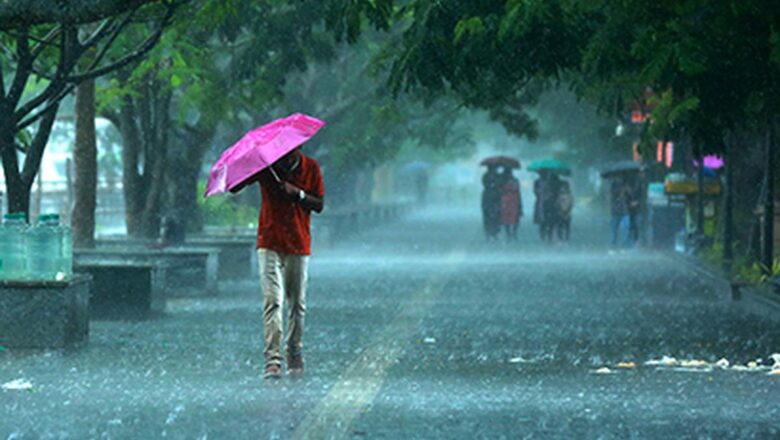
India's monsoon season is approaching amid a heatwave, with the India Meteorological Department predicting "above normal" rainfall. The monsoon, critical for agriculture and water supply, has become increasingly erratic due to climate change, impacting the economy and livelihoods. Dissecting 40 Years of Rainfall Data As a data scientist, I have analyzed four decades of rainfall data across more than 4,500 Indian tehsils. Our research at the Council on Energy, Environment and Water (CEEW) shows significant changes in monsoon patterns, affecting local preparedness. For instance, historically arid states like Rajasthan, Gujarat, and central Maharashtra have seen a 10-30% increase in southwest monsoon rains in the past decade. Conversely, around 11% of tehsils, particularly in the Indo-G...
Delhi Sizzles Near 50°C: Why Such Scorching Heat? When Can We Expect a Respite? FAQs Answered

Delhi Sizzles Near 50°C: Why Such Scorching Heat? When Can We Expect a Respite? FAQs Answered

Breaking News, Climate Actions
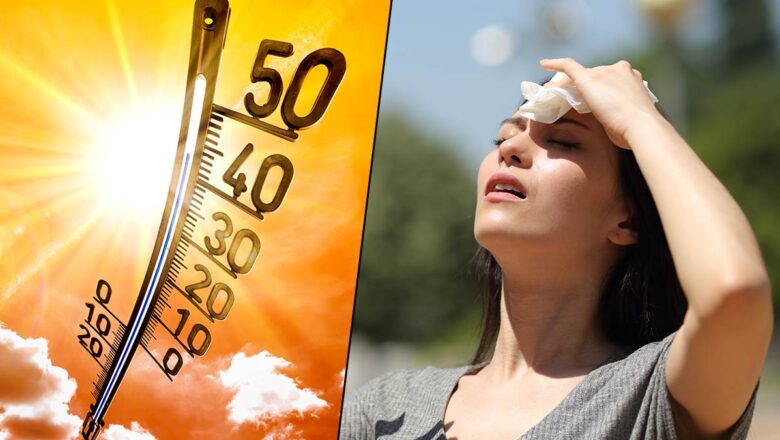
Delhi, India - May 29, 2024, 01:23 PM IST: Delhi is experiencing an extreme heatwave, with temperatures soaring to nearly 50 degrees Celsius. Mungeshpur and Narela recorded 49.9°C, followed by Najafgarh at 49.8°C, marking the highest temperatures ever recorded in the city. The India Meteorological Department (IMD) has issued a red alert for the next two days due to severe heatwave conditions. Why Is Delhi So Hot? Several factors are contributing to the scorching temperatures: Hot Winds from Rajasthan: Hot winds from Rajasthan are affecting Delhi, particularly the outskirts. Open Areas and Vacant Land: Increased radiation in open areas without shade leads to exceptionally high temperatures. Lack of Western Disturbances: The absence of western disturbances, which typically b...
Cyclone Remal Devastates Northeastern States in India: 36 Dead, Widespread Disruptions

Cyclone Remal Devastates Northeastern States in India: 36 Dead, Widespread Disruptions

Breaking News, Climate Actions, Disasters
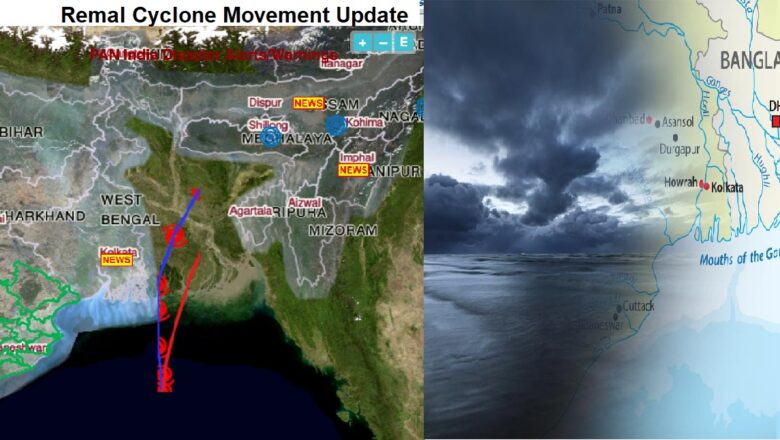
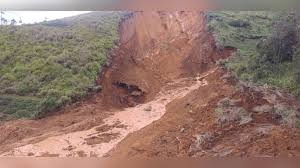
The onslaught of Cyclone Remal has resulted in the tragic loss of 36 lives across four northeastern states in India, with Mizoram, Nagaland, Assam, and Meghalaya bearing the brunt of heavy rains and landslides on Tuesday. The severe weather conditions have brought daily life to a standstill across the region, disrupting transportation and utilities. Mizoram: The state suffered the highest casualties, with 27 people killed, including 21 victims of a quarry collapse in Aizawl district. Multiple landslides in the district claimed additional lives and left ten people missing. Disaster management and police officials have recovered 21 bodies from the quarry site located between Melthum and Hlimen, with several more feared trapped under debris. Other fatalities were reported in Salem, Aibawk,...
India Endures Record Heatwave as IMD Predicts ‘Above Normal’ Monsoon and its relation with Economy

India Endures Record Heatwave as IMD Predicts ‘Above Normal’ Monsoon and its relation with Economy

Breaking News, Climate Actions, Opinions, Thoughts & Talks
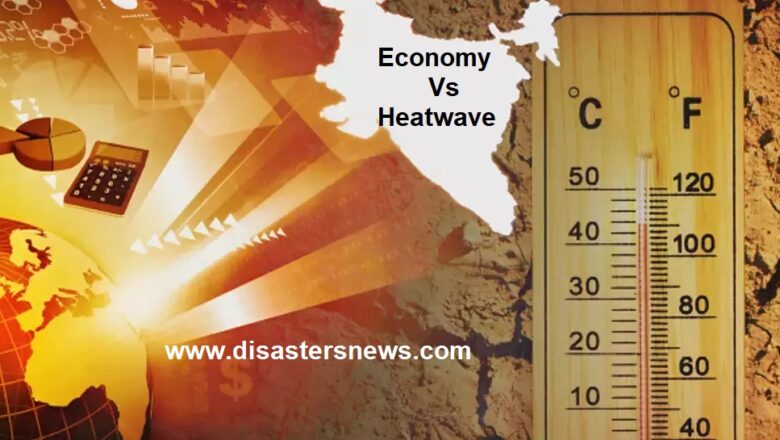
In a significant development, the India Meteorological Department (IMD) has predicted 'above normal' monsoon rainfall for the country, particularly in the monsoon core zone crucial for rain-fed agriculture. This forecast comes amid an extreme heatwave that has gripped several parts of India, including Rajasthan's Phalodi, which recently recorded a blistering 50 degrees Celsius. This is the highest temperature recorded since June 1, 2019, when Churu, also in Rajasthan, reached 50.8 degrees Celsius. The scorching temperatures have turned daily life into a test of endurance, especially for those participating in the ongoing elections. In Delhi, the IMD has issued a red alert as Mungeshpur baked at 48.3 degrees Celsius, with the feel-like heat touching 49 degrees. The heatwave alert has bee...
Study Links the Heatwaves to Increase in Early Births of Babies

Study Links the Heatwaves to Increase in Early Births of Babies

Breaking News, Climate Actions, Learning & Developments
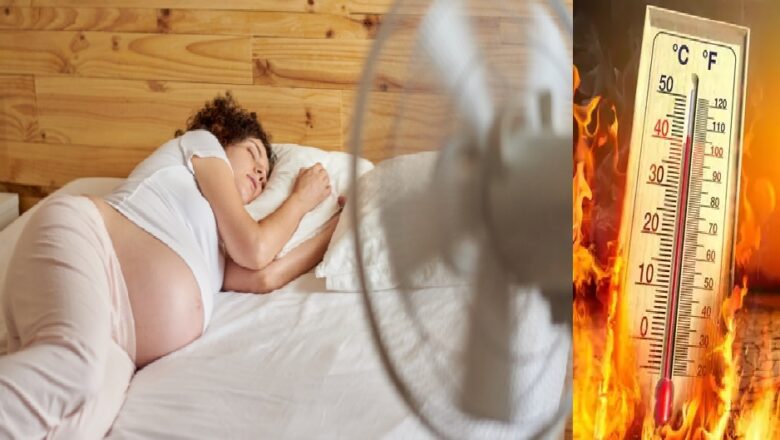
A new study examining 53 million births over 25 years in the United States has found that early births become slightly more frequent during hotter, longer heatwaves. The study, conducted by University of Nevada epidemiologist Lyndsey Darrow and colleagues, analyzed national birth records between 1993 and 2017 across the 50 most populous metropolitan areas in the US. The research reveals that pregnant individuals, along with newborns and infants, are particularly sensitive to extreme heat, as they cannot cool themselves down as effectively as others. This vulnerability is similar to that seen in the elderly. As heatwaves in the US have become 24 percent more intense and are occurring twice as often as in the 1960s, the researchers found a small increase in daily rates of preterm births (...
Papua New Guinea Faces Catastrophe: Landslide Buries 2,000, Sparks Urgent Evacuations

Papua New Guinea Faces Catastrophe: Landslide Buries 2,000, Sparks Urgent Evacuations

Breaking News, Disasters
Port Moresby, Papua New Guinea: A devastating landslide in Papua New Guinea has led to the urgent evacuation of approximately 7,900 people from remote villages, with fears of further landslips looming. The disaster struck on May 24, burying an estimated 2,000 people under a vast expanse of yellow and grey debris. The remote location, severed road access, ongoing heavy rainfall, and nearby tribal violence have severely hindered rescue and relief operations. Enga provincial administrator Sandis Tsaka described the continuing peril as "the tragedy is still active," with continuous rockfalls from Mount Mungalo. Satellite images revealed the massive scale of the landslide, which has cut through verdant bushland and severed the region's only road. Locals have been desperately digging throu...
Antarctica’s Brunt Ice Shelf Calves Massive Iceberg A-83, Signals Ongoing Environmental Shift

Antarctica’s Brunt Ice Shelf Calves Massive Iceberg A-83, Signals Ongoing Environmental Shift

Breaking News, Climate Actions, Environment
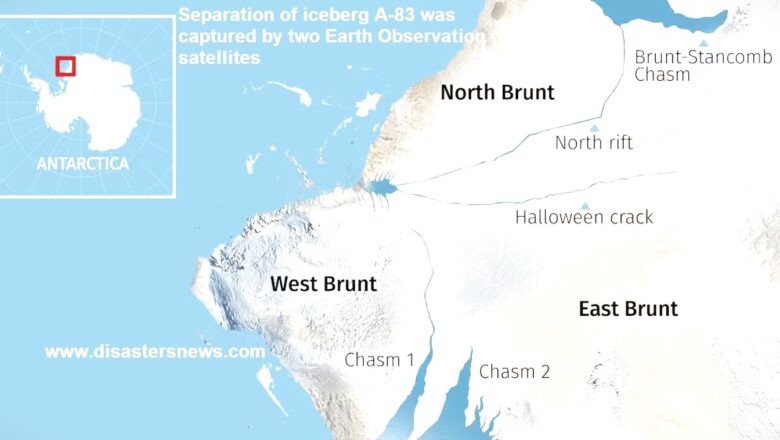
On May 20th, 2024, Antarctica witnessed yet another significant iceberg calving event as a massive iceberg measuring 380 square kilometers (approximately 147 square miles) broke off from the Brunt Ice Shelf. This event, designated A-83 by the U.S. National Ice Center, marks the third major iceberg calving in the region within the past four years. The separation of iceberg A-83 was captured by two Earth Observation satellites: the European Space Agency's Copernicus Sentinel-1 and NASA's Landsat 8 satellites. These satellites provided radar imaging and thermal data, respectively, allowing scientists to monitor the effects of climate change on remote regions like Antarctica. Routine monitoring of ice shelves by satellites enables scientists to track changes in ice dynamics and structura...
NASA’s PREFIRE Mission: Studying Earth’s Heat Emissions and Monitoring Polar Climate Change

NASA’s PREFIRE Mission: Studying Earth’s Heat Emissions and Monitoring Polar Climate Change

Breaking News, Idea & Innovations, Space
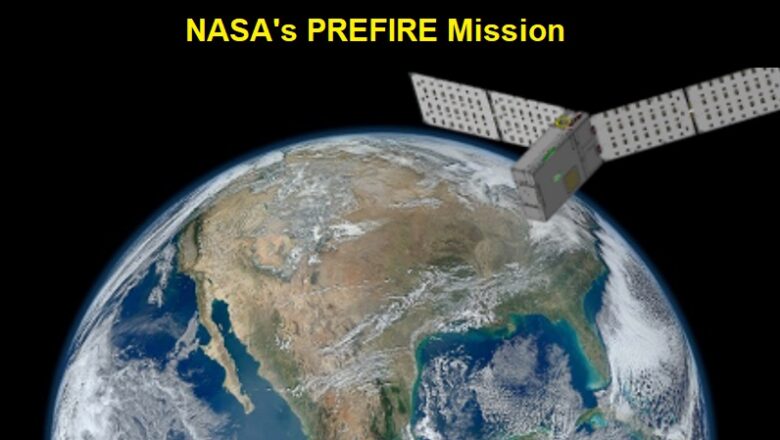
NASA's PREFIRE (Polar Radiant Energy in the Far-InfraRed Experiment) mission has successfully launched the first of two climate satellites designed to study heat emissions from Earth's polar regions. The satellite lifted off on Rocket Lab’s Electron rocket from Launch Complex 1 in Māhia, New Zealand, at 7:41 p.m. NZST (3:41 a.m. EDT) on Saturday. PREFIRE Mission Overview The PREFIRE mission consists of two CubeSats, each the size of a shoebox, tasked with measuring the amount of heat radiated from Earth's poles into space. These CubeSats will provide critical data to help researchers predict changes in Earth's ice, seas, and weather patterns in a warming world. The mission aims to fill a significant gap in our understanding of how the polar regions influence the planet’s energy budge...
Magnitude 6.3 Earthquake Strikes Vanuatu: No Tsunami warning issued by agency

Magnitude 6.3 Earthquake Strikes Vanuatu: No Tsunami warning issued by agency

Breaking News, Disasters
A magnitude 6.3 earthquake hit the Pacific nation of Vanuatu on Sunday morning, according to the United States Geological Survey (USGS). The tremor occurred at 9:23 am local time at a depth of approximately 29 kilometers (18 miles) below the ocean's surface. Its epicenter was located about 83 kilometers (51 miles) northwest of Vanuatu's capital, Port Vila. Despite the earthquake's significant magnitude, the Pacific Tsunami Warning Centre confirmed that it is not expected to generate a tsunami. The quake struck near a sparsely populated cluster of islands, reducing the immediate threat to heavily populated areas. As of now, there have been no reports of damage or casualties. Authorities in Vanuatu are monitoring the situation closely and have advised residents to stay alert for potent...