Thursday, September 17News That Matters

Breaking News

Community Participation Declines Bengaluru Puttenahalli Lake Faces Fresh Signs of Neglect

Community Participation Declines Bengaluru Puttenahalli Lake Faces Fresh Signs of Neglect

Breaking News
As citizen participation declines and maintenance efforts slow down, Bengaluru’s Puttenahalli Lake is once again showing signs of deterioration. Residents and environmental volunteers say the lake, which became a model for community led conservation after its restoration in 2010, is gradually losing the care that helped transform it into a thriving urban ecosystem. The absence of a formal partnership between local volunteers and civic authorities has reduced community involvement, raising concerns over the future of one of the city's best known restored lakes. The Puttenahalli Neighbourhood Lake Improvement Trust (PNLIT), which has worked on the lake since its rejuvenation, says its ability to maintain the waterbody has significantly reduced after the Memorandum of Understanding (MoU) w...
Heat Resistant Indian Roads Perform Better as Europe Struggles in Record Heatwave

Heat Resistant Indian Roads Perform Better as Europe Struggles in Record Heatwave

Breaking News, Environment
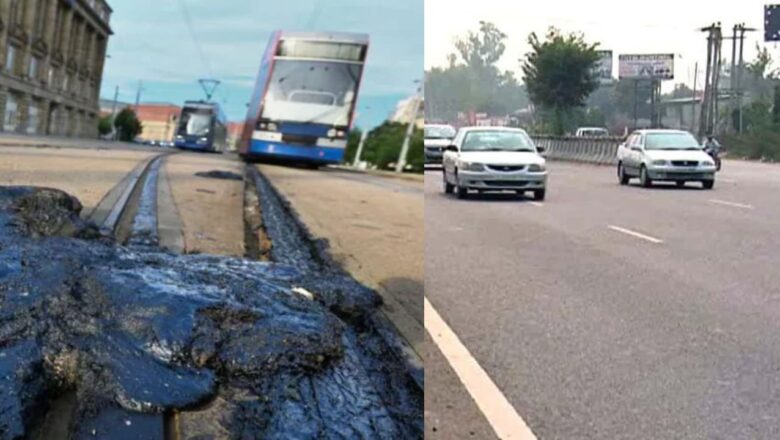
As Europe continues to battle an intense heatwave, images of melting roads in the United Kingdom have sparked global attention and prompted comparisons with countries like India, where summer temperatures regularly exceed 45 degrees Celsius. Despite facing even higher temperatures, Indian roads generally remain intact because they are specifically designed to withstand extreme heat. The difference lies not in the quality of construction but in the climate conditions each country prepares for. Road engineering is tailored to local weather patterns, meaning materials that perform well in one region may struggle in another. Why UK Roads Soften During Extreme Heat Roads in the United Kingdom and many other European countries are primarily designed to survive freezing winters. They mus...
Recycled Textile Waste Turned Into Artificial Stone for Sustainable Furniture Collection

Recycled Textile Waste Turned Into Artificial Stone for Sustainable Furniture Collection

Breaking News
  A new furniture collection is giving discarded clothing a second life by transforming textile waste into an artificial stone that can be used in furniture, interior design and architecture. Called Chromaterico Textile Objects, the project demonstrates how unwanted garments and fabric scraps can be converted into durable, high-performance materials instead of ending up in landfills. The collection has been developed by designer Davide Balda of Archeomaterico in collaboration with Chroma Composites. At the heart of the project is Textilite, an innovative composite material created from recycled textile waste through a circular production process. How Textile Waste Becomes Artificial Stone The process begins with discarded, defective and unsold garments, along with fabr...
June Monsoon Rainfall Plunges 40% as El Nino Weak Weather Systems Disrupt India

June Monsoon Rainfall Plunges 40% as El Nino Weak Weather Systems Disrupt India

Breaking News
India recorded a sharp 40% rainfall deficit during June 2026 as the southwest monsoon struggled to gain momentum, with meteorologists attributing the shortfall to a strengthening El Niño, an unfavourable Madden-Julian Oscillation (MJO), and the absence of low pressure systems over the North Indian Ocean. According to the India Meteorological Department (IMD), while the monsoon has advanced across most parts of the country, rainfall has remained significantly below normal in nearly all regions. Central India has been the worst affected, recording a 50% rainfall deficit during June, followed by east and northeast India with a 40% shortfall. Southern peninsular India received 27% less rainfall than normal, while northwest India, where the monsoon is still progressing, recorded 31% below no...
Japan Food Waste Falls to Record Low for Third Consecutive Year Cuts by 2030

Japan Food Waste Falls to Record Low for Third Consecutive Year Cuts by 2030

Breaking News
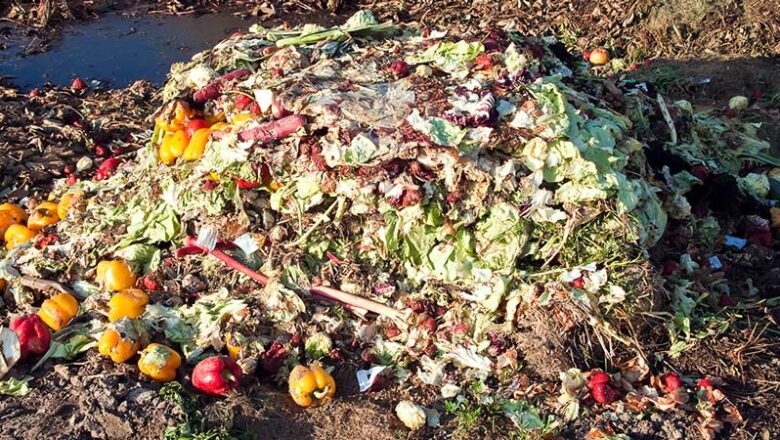
Japan has recorded its lowest level of food waste for the third consecutive year, with the amount of still edible food discarded falling to an estimated 4.61 million tonnes in fiscal year 2024, according to government data. The latest figures show that food waste declined by 30,000 tonnes compared to the previous fiscal year, reflecting continued efforts to reduce unnecessary food disposal. The Japanese government said it will further strengthen food waste reduction initiatives by promoting donations to food banks that distribute food nearing its best before date to people facing food insecurity. Household food waste showed the biggest improvement during the year ending March 2025. Waste generated by households fell by 90,000 tonnes to 2.24 million tonnes, indicating that consumers a...
Study Says Remote Indigenous Communities Hold Key Lessons for Surviving Extreme Heat

Study Says Remote Indigenous Communities Hold Key Lessons for Surviving Extreme Heat

Breaking News
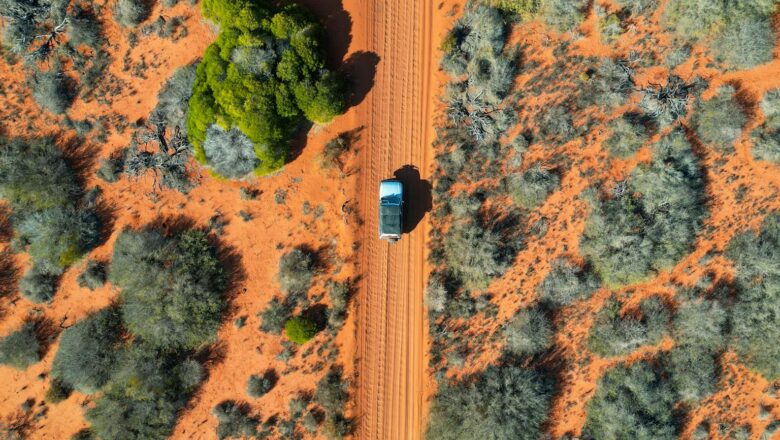
A new study has found that remote First Nations communities in Australia are already using practical and culturally rooted strategies to cope with rising temperatures, offering valuable lessons for adapting to increasingly frequent and intense heatwaves driven by climate change. Researchers say governments should listen more closely to these communities and invest in locally designed solutions to better protect people from extreme heat. The research involved one on one discussions with 30 First Nations participants from four remote communities in Central Australia, where temperatures regularly soar above 40°C during summer. The findings highlight how extreme heat affects health, daily life, infrastructure and access to essential services, while also revealing community led approaches th...
Giant Fish Sculpture to Turn Plastic Bottles Into Art, Raise Awareness About Ocean Pollution

Giant Fish Sculpture to Turn Plastic Bottles Into Art, Raise Awareness About Ocean Pollution

Breaking News
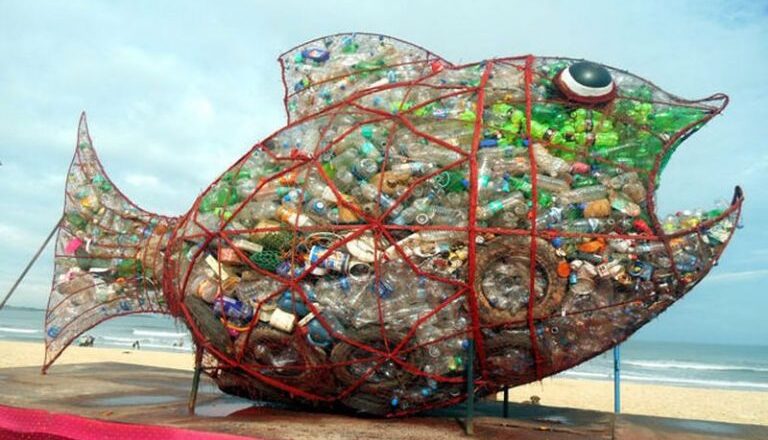
A giant fish shaped sculpture designed to collect plastic bottles will soon be installed on a beach in Guernsey as part of a creative initiative to tackle ocean pollution and encourage responsible waste disposal. Created by students from The Guernsey Institute, the artwork transforms a simple recycling bin into an eye catching public installation that highlights the growing threat of plastic waste in marine environments. The metal sculpture features an open mouth where visitors can deposit empty plastic bottles, symbolising the large amounts of plastic that end up in the oceans and are often mistaken for food by marine animals. The exact beach where the sculpture will be installed is yet to be announced. Student Project Inspired by Child's Drawing The project was developed over fo...
IAEA Launches Global Map Tracking Nearly 4.94 Lakh Tonnes of Spent Nuclear Fuel

IAEA Launches Global Map Tracking Nearly 4.94 Lakh Tonnes of Spent Nuclear Fuel

Breaking News
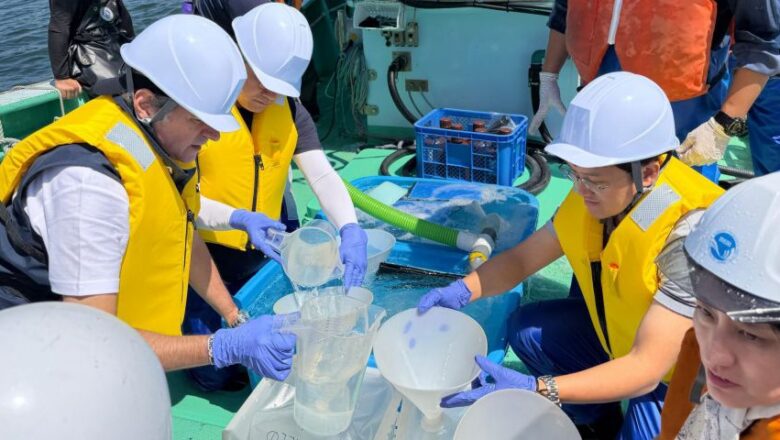
  The International Atomic Energy Agency (IAEA) has unveiled a new interactive global map that provides the most comprehensive public database yet on the world's spent nuclear fuel. The tool reveals that nuclear power plants across the globe have generated an estimated 448,000 tonnes (around 4.94 lakh US tons) of spent nuclear fuel, highlighting the growing challenge of safely managing radioactive waste as countries continue expanding nuclear energy. Interactive Tool Shows Where Nuclear Waste Is Stored The newly launched Global Spent Nuclear Fuel Inventory Tool compiles data submitted by countries under international nuclear safety agreements. It allows users to explore where spent nuclear fuel is stored, how much has been reprocessed and which storage methods are being used ...
Protecting Elephants Also Protects India Forest Carbon, New Study Finds

Protecting Elephants Also Protects India Forest Carbon, New Study Finds

Breaking News
Protecting India's endangered Asiatic elephants does more than conserve wildlife it also helps safeguard forests that act as major carbon sinks, according to a new scientific study. Researchers found that elephant conservation has contributed to preserving forest carbon stocks, highlighting the close link between biodiversity protection and climate change mitigation. The study, published in the Journal of Threatened Taxa examined the relationship between elephant conservation, the expansion of elephant reserves and carbon storage in India between 1992 and 2025. During this period, India's elephant reserve network expanded from just three reserves covering 18,297 square kilometres to 33 reserves spread across 80,777 square kilometres. While the elephant population increased by only about...
Extreme Heat Costs Poor Women Workers $57 Billion Every Year, Global Report Finds

Extreme Heat Costs Poor Women Workers $57 Billion Every Year, Global Report Finds

Breaking News
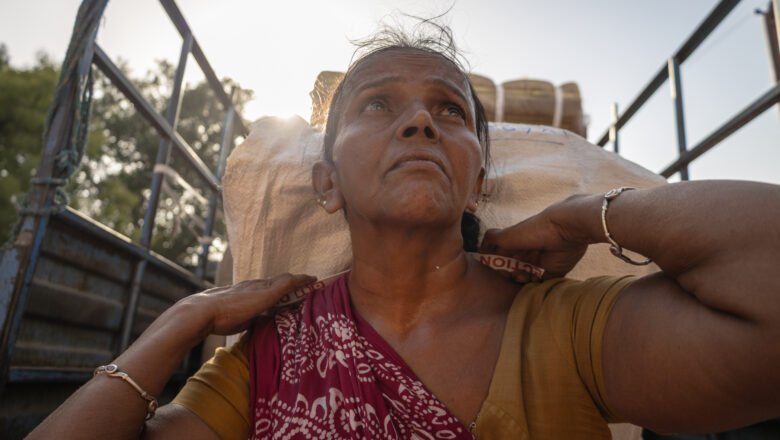
Extreme heat is emerging as one of the biggest threats to economic growth and public health with poor women workers bearing the heaviest burden, according to a new report released by HERA (Climate Resilience for All) during London Climate Action Week. The report, titled Counting the Cost of Heat: The Case for Urgent Solutions for Cities estimates that nearly 740 million women working in the informal sector lose a combined $57 billion in earnings every year because rising temperatures reduce their ability to work safely. In many developing countries, these women earn only a few dollars a day, making the financial losses even more severe for their families. The study examined the impacts of extreme heat in Ahmedabad, Bangkok, Monterrey, and Freetown. Researchers found that heat already r...