Sunday, September 20News That Matters

Breaking News

Kolkata to Install Cloth Bag Vending Machines, Fine Single Use Plastic Users

Kolkata to Install Cloth Bag Vending Machines, Fine Single Use Plastic Users

Breaking News
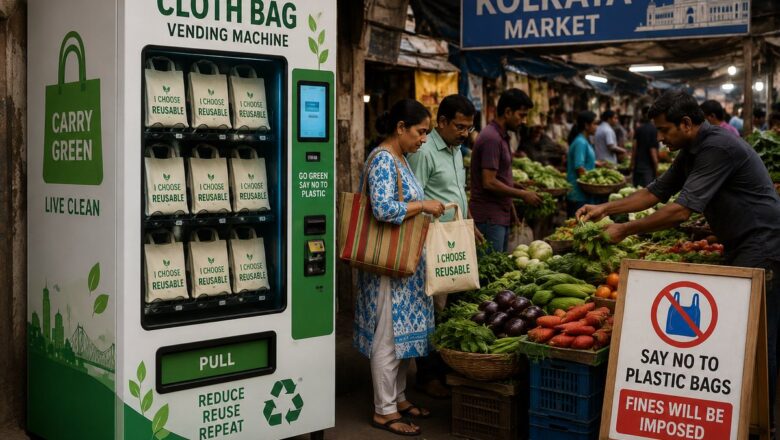
The newly formed government in West Bengal has announced a fresh initiative to tackle Kolkata's growing plastic waste problem. Municipal Affairs Minister Agnimitra Paul said that cloth bag vending machines will be installed in city markets within the next three months, after which fines will be imposed on people using banned single use plastic bags. The announcement came during an inspection of canals and drainage infrastructure ahead of the monsoon season. Officials have repeatedly pointed out that plastic waste is one of the biggest causes of waterlogging in Kolkata. Plastic bags often clog gully pits, manholes and drainage channels, while pumps at drainage stations sometimes stop functioning because plastic becomes entangled in their motors. Although single use plastic bags were o...

Plastic Pollution Crisis Deepens as Microplastics Found in Human Brains, Blood and Placentas

Plastic Pollution Crisis Deepens as Microplastics Found in Human Brains, Blood and Placentas

Breaking News
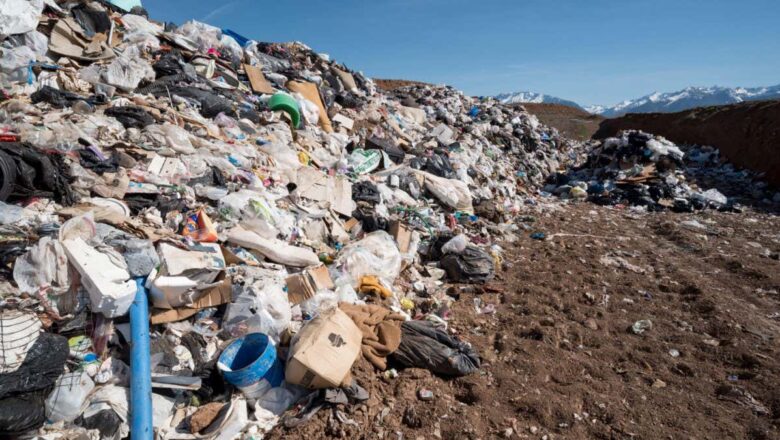
The world is facing an escalating plastic pollution crisis as global plastic production continues to surge while recycling rates remain stubbornly low. New research highlights how plastic waste is not only accumulating in the environment but is increasingly being detected inside the human body, raising fresh concerns about long term health impacts. According to recent estimates, the world now produces around 460 million tonnes of plastic every year, compared to just 2 million tonnes in 1950. Scientists warn that if current trends continue, annual plastic production could exceed 1.2 billion tonnes by 2060. Despite widespread recycling campaigns, only about 9 percent of plastic waste is successfully recycled worldwide. The remainder is either incinerated, sent to landfills, or leaks in...
Female Fish That Defied Evolution Survives 100,000 Years Without Males

Female Fish That Defied Evolution Survives 100,000 Years Without Males

Breaking News
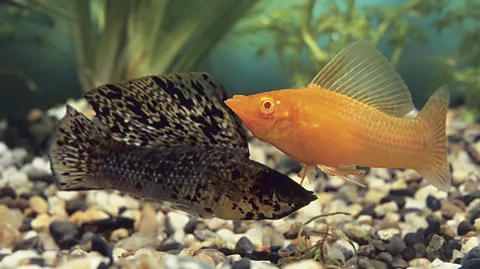
A small freshwater fish living in the rivers of Mexico and southern Texas is challenging one of biology’s oldest assumptions. The Amazon molly, an all-female fish species, has survived for nearly 100,000 years without reproducing through normal sexual reproduction, surprising scientists who once believed such species were destined for extinction. Unlike most animals, Amazon mollies do not inherit genes from males. The fish reproduces through a rare process known as gynogenesis. Females mate with males from closely related species, but the male’s DNA is not passed on to the offspring. Instead, the sperm only triggers egg development, resulting in daughters that are essentially clones of their mothers. For decades, scientists believed that species reproducing without genetic mixing wou...
Natural Hazards Cost the World 90 Million Jobs Every Year

Natural Hazards Cost the World 90 Million Jobs Every Year

Breaking News
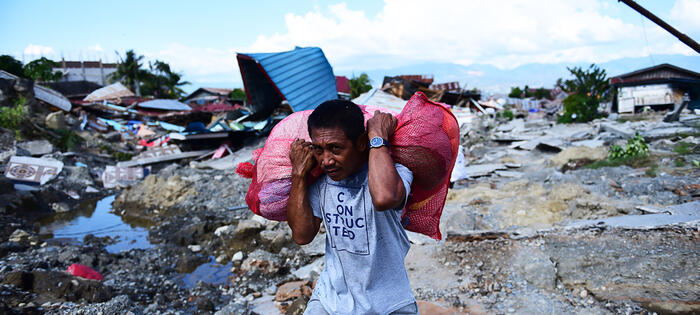
A new global study by the World Bank has revealed that natural hazards and extreme heat are responsible for the loss of approximately 90 million full time job equivalents every year worldwide highlighting a major but often overlooked economic impact of climate and disaster related events. The report Worldwide Job Losses Due to Natural Hazards analyzed data from 132 countries and found that disasters affect not only infrastructure and property but also employment, incomes, and livelihoods. The study found that extreme heat accounts for nearly 80 million job losses annually making it the largest contributor to employment disruptions. High temperatures reduce workers' productivity and limit the number of hours they can safely work, especially in outdoor sectors such as agriculture, cons...
Mangrove Forests Show Remarkable Recovery After Decades of Decline

Mangrove Forests Show Remarkable Recovery After Decades of Decline

Breaking News
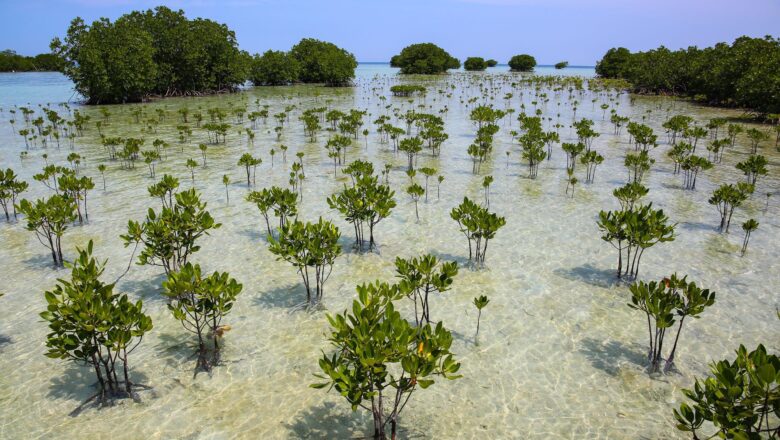
Scientists found the world's mangrove forests are making a significant comeback after decades of destruction. A new study reveals that since 2010, global mangrove gains have exceeded losses, marking a major turnaround for one of the planet's most important coastal ecosystems. Mangroves are salt tolerant trees that grow along tropical and subtropical coastlines. Often overlooked, they play a crucial role in protecting communities and combating climate change. Their dense root systems help shield coastal regions from storm surges, cyclones and tsunamis, while also providing breeding grounds for fish and marine species. At the same time, mangroves are among the world's most efficient carbon sinks, storing up to five times more carbon dioxide than many land based forests. For much of the...
New Dashboard Tracks Disaster Finance Across 82 Countries

New Dashboard Tracks Disaster Finance Across 82 Countries

Breaking News
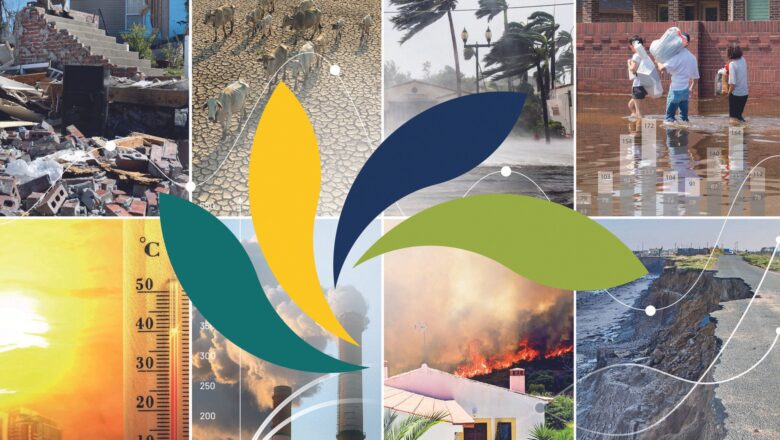
A new interactive dashboard launched by the Centre for Disaster Protection is providing the first detailed country level view of how pre arranged disaster financing works around the world. The platform called the State of Pre Arranged Financing (PAF) Dashboard covers 82 countries and tracks data from 2017 to 2024, allowing governments, researchers and development agencies to examine how countries prepare financially for disasters and how quickly funds are released when crises occur. According to the Centre for Disaster Protection, pre arranged finance reached USD 9.2 billion in 2024. These financial instruments are designed to provide funds before disasters occur, enabling governments to respond rapidly when floods, droughts, earthquakes, cyclones or other hazards strike. Until no...
Pollution Crisis Deepens as Scientists Uncover New Climate, Plastic and Air Quality Threats

Pollution Crisis Deepens as Scientists Uncover New Climate, Plastic and Air Quality Threats

Breaking News
A series of recent scientific studies and environmental reports have highlighted the growing challenges facing the planet, from worsening air pollution and climate-driven health risks to expanding plastic contamination in oceans. At the same time, researchers and innovators are developing new solutions that could help address some of these pressing environmental concerns. One of the most alarming findings comes from a 25-year study that identified Bihar and West Bengal as major particulate pollution hotspots. Researchers found that pollution levels across the Indo-Gangetic Plain, the Himalayas and northeast India have increased significantly since 2000, with biomass burning emerging as a key driver. The study warned that emissions from the plains are now affecting even the fragile Himal...
Wildlife Tourism Under Scrutiny as Local Communities Raise Concerns Over Safari Culture

Wildlife Tourism Under Scrutiny as Local Communities Raise Concerns Over Safari Culture

Breaking News
New Delhi: Wildlife tourism, long promoted as a tool for conservation and economic development, is increasingly facing criticism from local communities, conservationists and researchers who argue that the current safari model often benefits tourists and businesses more than the people living alongside wildlife. A recent analysis published in Down To Earth highlights growing opposition to safari tourism in and around India's tiger reserves, where residents say the costs of conservation are being unfairly borne by local communities while the benefits remain concentrated among a few stakeholders. India's rising tiger population has been widely celebrated as a conservation success story. However, residents of buffer zones surrounding protected areas report increasing encounters with wild...
Ocean Plastic Is Creating New Marine Ecosystems Faster Than Scientists Expected

Ocean Plastic Is Creating New Marine Ecosystems Faster Than Scientists Expected

Breaking News
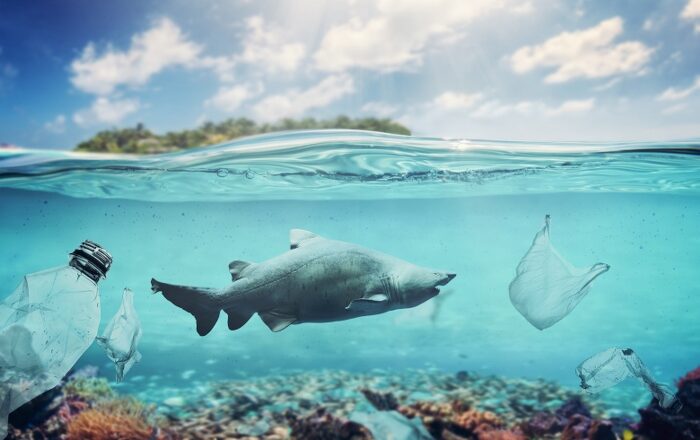
Scientists studying the Great Pacific Garbage Patch have discovered that floating plastic waste is doing more than polluting the oceans. It is creating entirely new ecosystems in the open sea, allowing coastal species to survive, reproduce and establish communities thousands of kilometres away from land. The findings suggest that plastic pollution is fundamentally changing marine ecosystems by providing long lasting habitats for organisms that were once confined to coastlines. The Great Pacific Garbage Patch, located between California and Hawaii, is one of the world's largest accumulations of marine debris. Formed within the North Pacific Subtropical Gyre, a vast system of rotating ocean currents, the region traps floating waste instead of allowing it to disperse. Today, the area...
Plastic Eating Soil Bacterium That Could Help Tackle Farm Pollution

Plastic Eating Soil Bacterium That Could Help Tackle Farm Pollution

Breaking News
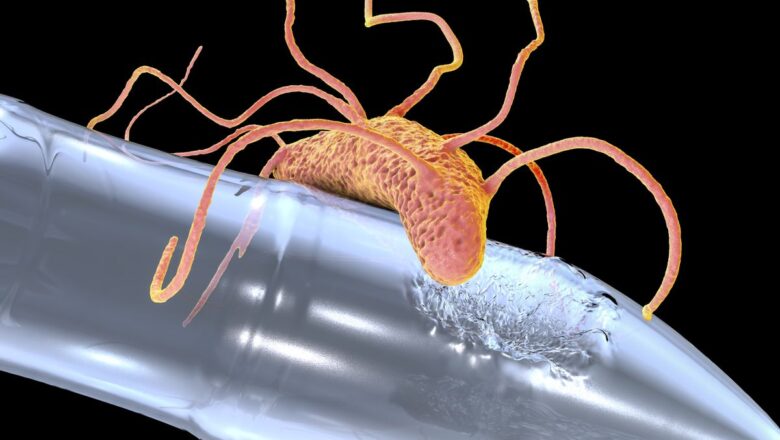
Researchers in China have discovered a soil bacterium capable of breaking down polyethylene, one of the world's most widely used and persistent plastics. The finding could offer a new approach to tackling plastic pollution in agricultural lands where plastic mulch films are commonly used. The study, conducted by researchers at Hangzhou Normal University in Zhejiang Province, identified a bacterium named Bacillus PE4 that naturally degrades plastic waste buried in soil. Plastic Mulch Creates a Growing Environmental Challenge Polyethylene is used extensively in agricultural mulch films, grocery bags and packaging materials. Its durability makes it useful for everyday applications but also extremely difficult to decompose in nature. In farming regions, plastic mulch films are wide...