Sunday, February 22News That Matters

Breaking News

Stop Disasters Game Expands Global Reach, Now Available in 11 Languages to Teach Resilience

Stop Disasters Game Expands Global Reach, Now Available in 11 Languages to Teach Resilience

Breaking News
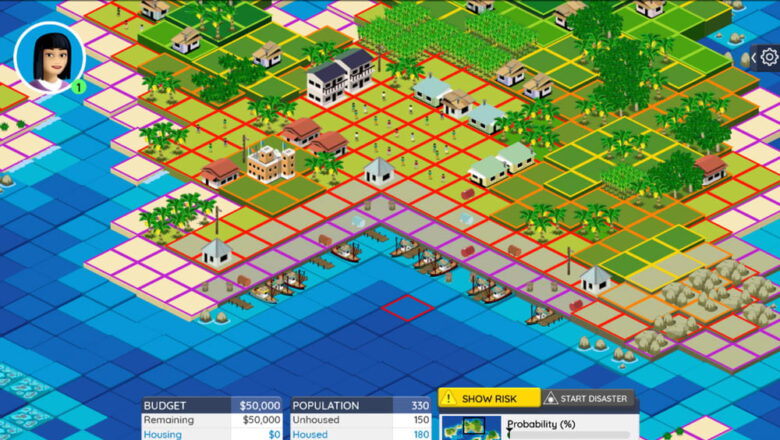
GENEVA/NEW YORK—The "Stop Disasters Game," a free educational tool developed by the UN Office for Disaster Risk Reduction (UNDRR), is cementing its position as a leading global learning resource for community resilience, with the launch of new translations bringing its total language count to eleven. The simulation game allows players to assume the role of a community planner with a limited budget and time, tasked with implementing critical infrastructure, preparedness, and protection measures against hazards like floods, earthquakes, and wildfires. By making risk-informed decisions, players learn firsthand how smart planning is the key to reducing disaster risk and saving lives. New Translations Mark Global Expansion The game's international accessibility was recently boosted wit...
Global Forest Crisis Deepens as World Fails to Curb Deforestation by 2030 Target

Global Forest Crisis Deepens as World Fails to Curb Deforestation by 2030 Target

Breaking News
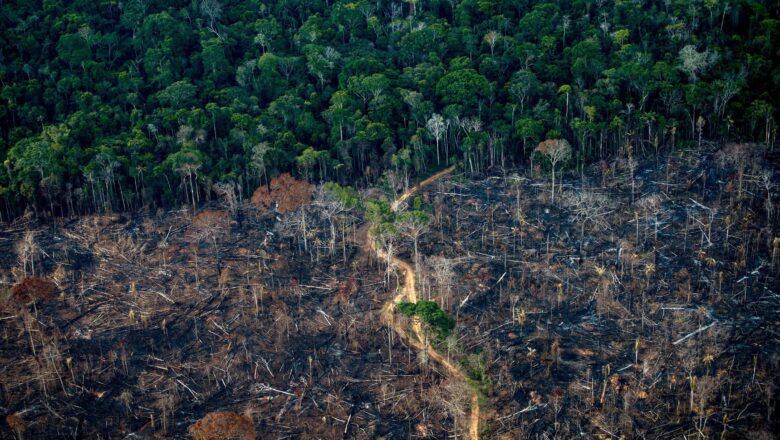
The health of the planet’s forests is rapidly deteriorating, with deforestation and degradation surging worldwide, according to the Forest Declaration Assessment 2025. The report warns that countries remain far off track in achieving their pledge to halt and reverse deforestation by 2030. At the halfway point of the decade meant to mark a turning point for global forest protection, deforestation rates continue to rise sharply. In 2024 alone, around 8.1 million hectares of forest were lost far exceeding the annual target of five million hectares set under international forest commitments. This figure is also three million hectares higher than the limits pledged under the New York Declaration on Forests (2014), the Glasgow Leaders’ Declaration (2021), and reaffirmed in the First Global St...
Groundwater Not Glacial Melt, Found to Be the True Lifeline of the Ganga

Groundwater Not Glacial Melt, Found to Be the True Lifeline of the Ganga

Breaking News
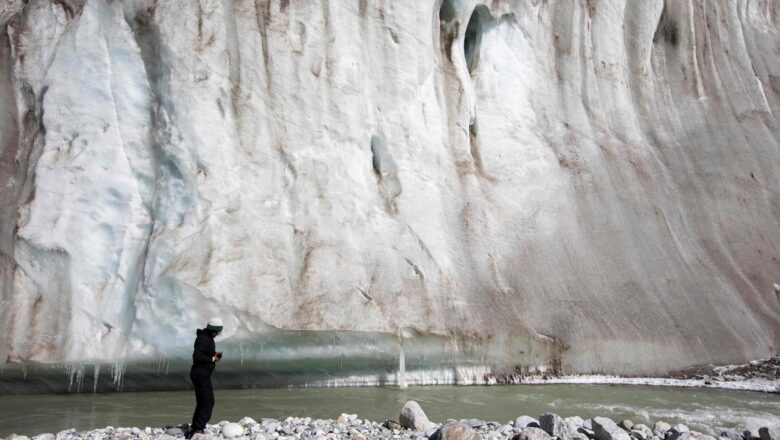
A groundbreaking study has revealed that the Ganga River, long believed to be sustained by Himalayan glaciers, actually draws most of its flow from groundwater across the Gangetic Plains. The discovery reshapes scientific understanding of India holiest river and carries major implications for its conservation and long-term survival. Published in Hydrological Processes the study led by Professor Abhayanand Singh Maurya from IIT Roorkee is the first detailed isotope-based research proving that groundwater is the dominant contributor to the Ganga’s flow. As the river travels from the Himalayas to the Bay of Bengal, groundwater boosts its volume by nearly 120%, far surpassing the contribution from glacier and snowmelt. Maurya explained that while glaciers and snowmelt sustain the upper s...
Slender Billed Curlew Declared Extinct: A Wake-Up Call for Global Bird Conservation

Slender Billed Curlew Declared Extinct: A Wake-Up Call for Global Bird Conservation

Breaking News
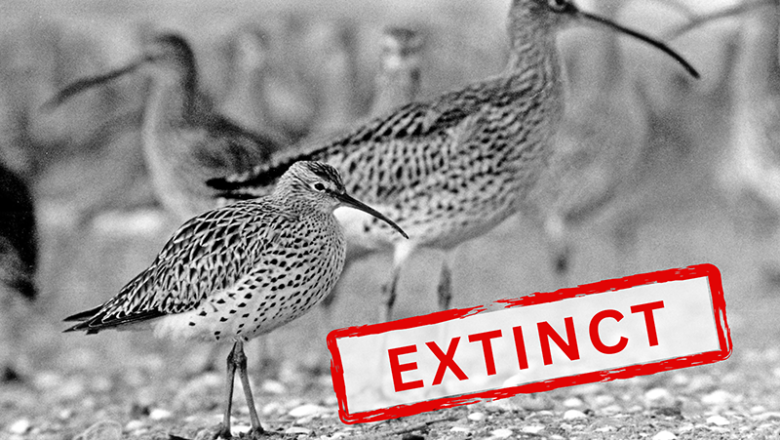
In a heartbreaking announcement, the International Union for Conservation of Nature (IUCN) has officially declared the slender-billed curlew Numenius tenuirostris extinct. This marks the first recorded case of a bird species vanishing from mainland Europe, North Africa, and West Asia a grim milestone in the global biodiversity crisis. The slender-billed curlew, once a graceful migratory bird breeding across central Asia and wintering in Europe, North Africa, and the Middle East, has not been sighted since the mid-1990s. Its extinction, confirmed by the IUCN in October 2025 after being deemed “highly probable” in 2024, highlights the deep and often overlooked challenges facing migratory bird conservation. Early signs of the species’ decline were recorded as far back as 1912. Although ...
Harnessing Technology for Disaster Management: How RS and GIS Can Transform India’s Climate Resilience

Harnessing Technology for Disaster Management: How RS and GIS Can Transform India’s Climate Resilience

Breaking News
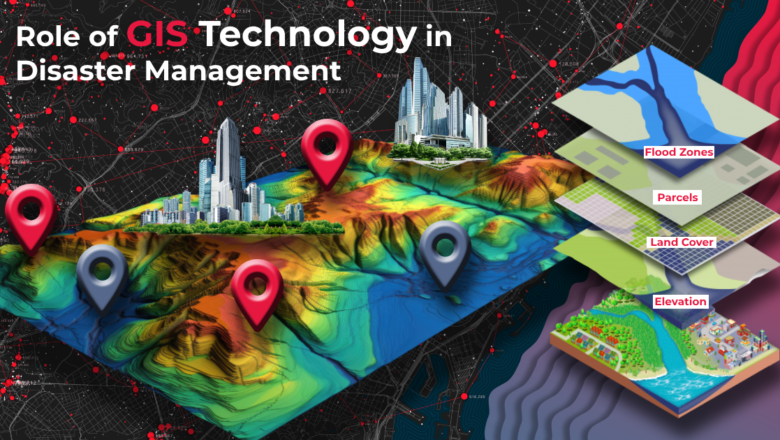
As India faces a surge in extreme weather events driven by climate change, experts are urging a technological revolution in disaster management. The integration of Remote Sensing (RS) and Geographic Information Systems (GIS) is emerging as a critical tool to predict, prepare for, and mitigate the devastating impacts of floods, landslides, cloudbursts, and heatwaves. According to the Intergovernmental Panel on Climate Change (IPCC), India will see intensified monsoons, more frequent floods, and prolonged heatwaves in the coming years. A report by the Centre for Science and Environment (CSE) revealed that India endured extreme weather events on 322 days in 2024, almost the entire year. During last year’s monsoon alone, the India Meteorological Department (IMD) recorded over 1,500 casualti...
Boston and Delhi Struggle to Keep Up with Rising Urban Temperatures

Boston and Delhi Struggle to Keep Up with Rising Urban Temperatures

Breaking News
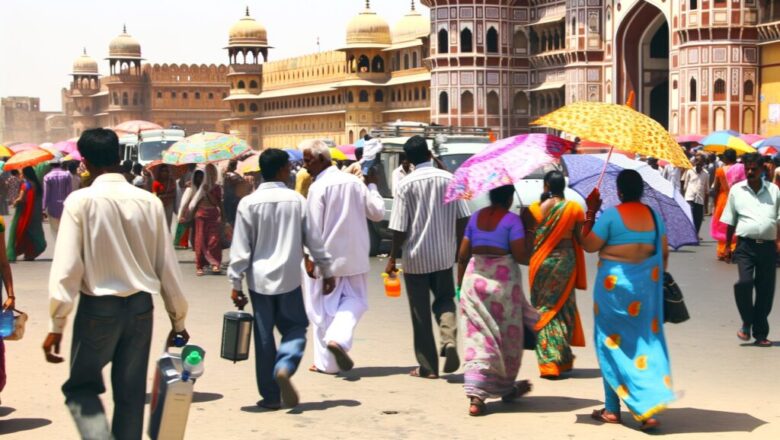
Boston known for its harsh winters, is now facing a new reality sweltering heatwaves. As global temperatures rise due to climate change, the city is experiencing more days above 32°C (90°F) than ever before. While the late 20th century saw around 11 such days annually, estimates suggest this number could rise to 40 by 2030 and a staggering 90 by 2070. Last year alone, Boston declared two heat emergencies, but researchers say the real picture is far worse. Studies by Patricia Fabian of Boston University reveal that heat levels in certain neighbourhoods are much higher than official readings. Her team found that in Chelsea and East Boston, average temperatures were 3.3°C higher than those recorded at Logan Airport, where the city’s main weather station is located. On some days, peak tempe...
How African Nations Are Strengthening Disaster Preparedness Amid Climate Extremes

How African Nations Are Strengthening Disaster Preparedness Amid Climate Extremes

Breaking News
When people hear the word “disaster,” they often think of floods, droughts, or earthquakes events caused by nature. But what truly turns these natural events into disasters is how unprepared communities are to face them. A flood, for instance, becomes a catastrophe when there’s no safe housing, no early warnings, or no emergency support in place. As climate extremes become more frequent, the urgency for better disaster planning has never been greater. A decade-long study across five African countries Kenya, Nigeria, Egypt, Namibia, and the Democratic Republic of Congo (DRC) reveals both progress and persistent challenges in disaster risk governance. The research assessed how these nations are aligning with the United Nations Sendai Framework for Disaster Risk Reduction (2015–2030) which...
South Africa Launches First Ocean Plastics Recycling Hub in Cape Town

South Africa Launches First Ocean Plastics Recycling Hub in Cape Town

Breaking News
Pretoria– In a major stride toward ocean sustainability, South Africa has unveiled its first harbour-based net recycling facility at the V&A Waterfront in Cape Town. The initiative, led by the Minister of Forestry, Fisheries and the Environment, Dr Dion George, aims to tackle marine pollution while strengthening the nation’s blue economy. The new “micro-recycling pod,” installed at Collier Jetty, can process up to 100 kilograms of used fishing nets per hour. These discarded nets are shredded, washed, and transformed into clean plastic flakes that can be reused in industries ranging from packaging and textiles to automotive manufacturing. By recycling end-of-life and abandoned “ghost” fishing gear, the facility reduces plastic waste and helps protect marine life from entanglement. ...
UK Joins Global Nuclear Liability Pact to Strengthen Safety and Climate Goals

UK Joins Global Nuclear Liability Pact to Strengthen Safety and Climate Goals

Breaking News
London – The United Kingdom has formally joined the Convention on Supplementary Compensation for Nuclear Damage (CSC), marking a key milestone in the international effort to enhance nuclear safety, accountability, and environmental protection. The UK deposited its instrument of accession on October 3, 2025, becoming the 12th Contracting Party to the CSC. The convention will take effect for the UK on January 1, 2026. The CSC, established under the International Atomic Energy Agency (IAEA), provides a common legal framework to ensure prompt and adequate compensation for damage caused by nuclear incidents, covering harm to people, property, and the environment. The UK participation bridges existing regional frameworks under the Paris and Vienna Conventions, advancing efforts toward a singl...
Kalaburagi Bandh Highlights Farmers Anguish After Floods and Heavy Rains

Kalaburagi Bandh Highlights Farmers Anguish After Floods and Heavy Rains

Breaking News
Kalaburagi – The Kalyana Karnataka Horata Samiti organized a district-wide bandh in Kalaburagi on Monday, demanding urgent relief for farmers hit by recent floods and relentless rainfall. The protest, marked by widespread shutdowns, sought a special financial package, loan waivers, and compensation for crop losses. Farmer leader Dayanand Patil, speaking to ANI, said the protest symbolized growing frustration among farmers who feel neglected despite severe damage to their fields. He reiterated three key demands waiving of agricultural loans, financial support through the National Disaster Response Fund (NDRF), and compensation of Rs 25,000 per acre for affected farmers. “The rainfall has destroyed livelihoods, but the government’s response has been slow,” Patil stated. Responding to t...