Sunday, March 22News That Matters

Climate Actions

Just Resilience Advancing Equity in Climate Adaptation Strategies

Just Resilience Advancing Equity in Climate Adaptation Strategies

Breaking News, Climate Actions, Environment
A new paper delves into the concept of "just resilience," emphasizing the integration of justice and equity into climate adaptation and resilience research and policy. By exploring underrepresented perspectives, particularly from the global south, and addressing the social, structural, and geographical drivers of vulnerability, the paper seeks to shape a global agenda for equitable adaptation. Emergence of Just Resilience Just resilience has become a critical focus in addressing the unequal burdens of climate change. Adaptation strategies can inadvertently create disparities, turning some groups into winners while leaving others behind. Interplay of Climate and Structural Inequities Climate change impacts often exacerbate preexisting inequities based on wealth, power dynamics, ...
Study Finds Climate Change Fuels Rise in Multi-Year Droughts

Study Finds Climate Change Fuels Rise in Multi-Year Droughts

Breaking News, Climate Actions, Disasters, Learning & Developments
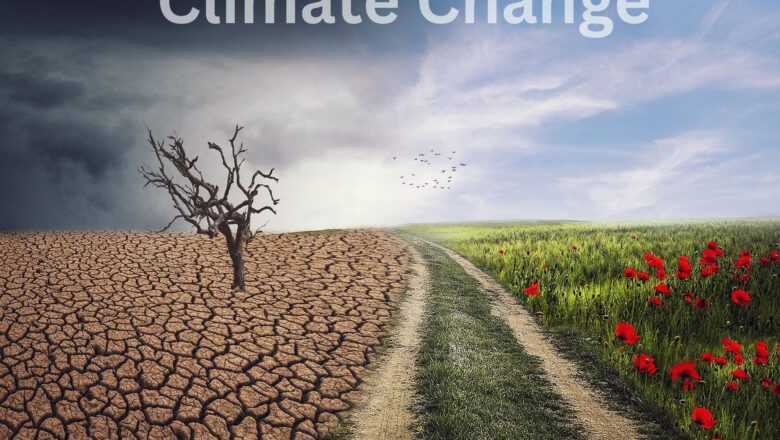
A groundbreaking 40-year study has revealed a troubling surge in long-lasting, multi-year droughts (MYDs), which have become more frequent, drier, and expansive with the warming climate. The findings, published in Science on January 16, emphasize the global challenge posed by these persistent dry spells, warning of their devastating impact on ecosystems, agriculture, and water resources. Between 1980 and 2018, global terrestrial land affected by MYDs expanded at an alarming rate of 50,000 square kilometers annually. Researchers documented 13,176 MYD events during this period, each lasting at least two consecutive years. These droughts not only grew in size but also experienced significant temperature anomalies in affected regions. Notably, the study identified 10 of the most severe M...
Climate Hazards Disrupt Education for Millions in 2024: UNICEF Report Highlights Urgency

Climate Hazards Disrupt Education for Millions in 2024: UNICEF Report Highlights Urgency

Breaking News, Climate Actions, Disasters, Fact Check
A new report from UNICEF reveals a disturbing trend at least one in seven students globally had their schooling disrupted due to climate-related hazards in 2024. The report, Learning Interrupted: Global Snapshot of Climate-Related School Disruptions in 2024, released on January 24, 2025, on the International Day of Education, sheds light on the scale of climate's impact on children's education worldwide. According to the report, a staggering 242 million students, ranging from pre-primary to upper secondary education, experienced disruptions to their schooling in 2024 due to climate events. This figure is likely an underestimation, as the report acknowledged data limitations. The analysis examined disruptions across 85 countries from January to December 2024, identifying 119 different...
Greenland’s Lakes Transform from Carbon Sinks to Sources Due to Extreme Climate Events

Greenland’s Lakes Transform from Carbon Sinks to Sources Due to Extreme Climate Events

Breaking News, Climate Actions, Disasters, Environment
A new study has revealed alarming changes in over 7,500 lakes in western Greenland, which have shifted from being carbon sinks to carbon sources due to extreme climatic conditions. The research, published in the Proceedings of the National Academy of Sciences (PNAS), highlights the profound ecological transformation of these vital ecosystems caused by atmospheric rivers (ARs) and other climate extremes in recent years. In September 2022, a series of atmospheric rivers long, narrow regions in the atmosphere that carry large amounts of water vapor struck western Greenland, causing record-breaking heat followed by rains. These events significantly altered the physical, chemical, and biological characteristics of the region’s lakes. In addition, the impact of Hurricane Fiona further raised ...
Deadly Threat Lingers as Rain Looms Over Los Angeles Wildfire Zones

Deadly Threat Lingers as Rain Looms Over Los Angeles Wildfire Zones

Breaking News, Climate Actions, Disasters, Environment
While firefighters continue to battle wildfires in the Los Angeles area, another danger is fast approaching. Rain expected over the weekend of January 25–26 may help extinguish the flames, but it also carries the risk of triggering deadly debris flows in the burned hillsides. These fast-moving torrents of water, ash, and debris can wreak havoc, destroying homes, infrastructure, and lives in minutes. The phenomenon is not new to California. In 2018, the hills above Montecito, scorched by the Thomas Fire, gave way during a storm, unleashing a devastating debris flow that killed 23 people and damaged over 400 homes. Similar events now threaten wildfire-affected areas near Los Angeles, where experts warn that the conditions for another disaster are already in place. When wildfires scorch...
Drones Poised to Revolutionize Weather Forecasting, Study Finds

Drones Poised to Revolutionize Weather Forecasting, Study Finds

Breaking News, Climate Actions, Disasters, Tech
As the climate crisis intensifies, accurate weather forecasting has never been more critical. From predicting devastating hurricanes to preparing for record-breaking heatwaves, numerical weather prediction (NWP) systems have become vital in safeguarding lives and livelihoods. However, these systems rely heavily on costly and complex data collection methods, including weather balloons and ground-based stations. A groundbreaking study from Japan has now demonstrated that drones equipped with meteorological sensors could provide a practical and affordable alternative, revolutionizing the way atmospheric data is gathered. Led by Professor Jun Inoue from the National Institute of Polar Research, the research team conducted a two-month field campaign in Tsukuba City to test the feasibility of...
242M Students Disrupted by Climate Hazards in 2024: UNICEF Report

242M Students Disrupted by Climate Hazards in 2024: UNICEF Report

Breaking News, Climate Actions, Environment
At least 242 million students across 85 countries experienced significant disruptions in their education due to extreme climate events in 2024, according to a new UNICEF report titled Learning Interrupted: Global Snapshot of Climate-Related School Disruptions in 2024. Released on International Day of Education, the report underscores the growing impact of heatwaves, floods, tropical cyclones, and droughts on education, worsening an already critical global learning crisis. Heatwaves were the leading cause of school closures, affecting over 118 million students in April alone. Countries like Bangladesh and the Philippines witnessed widespread school shutdowns, while Cambodia shortened school days due to scorching temperatures. In parts of South Asia, temperatures reached a staggering 47°C...
Strengthening Disaster Risk Reduction: The Need for Multi-Stakeholder Collaboration in SFDRR Implementation

Strengthening Disaster Risk Reduction: The Need for Multi-Stakeholder Collaboration in SFDRR Implementation

Breaking News, Climate Actions, Disasters
The Sendai Framework for Disaster Risk Reduction 2015–2030 (SFDRR) emphasizes the critical importance of engaging a broad range of stakeholders to reduce disaster risks effectively. While governments have made strides in integrating the framework into national policies, significant gaps in stakeholder involvement, resource allocation, and governance continue to limit its overall impact. Regional intergovernmental organizations (IGOs) and collaborative networks play a pivotal role in advancing the SFDRR agenda. These entities facilitate partnerships among civil society, the private sector, Indigenous peoples, persons with disabilities, youth, and marginalized groups, ensuring that disaster risk reduction (DRR) efforts are inclusive and community-oriented. Co-Production: Bridging Polic...
Global Disaster Losses Hit $368 Billion in 2024, Underscoring Urgency of Climate Resilience

Global Disaster Losses Hit $368 Billion in 2024, Underscoring Urgency of Climate Resilience

Breaking News, Climate Actions, Disasters
Economic losses from disaster events worldwide surged to $368 billion in 2024, driven by devastating hurricanes, severe storms, and widespread flooding. Hurricanes Milton and Helene caused significant destruction in the United States, while severe convective storms and flooding ravaged parts of Europe. These disasters highlight the critical need for robust adaptation and mitigation measures to protect lives and enhance resilience against climate-driven risks. According to Aon’s latest Climate and Catastrophe Insight report, the escalating impact of climate risks tells two vital stories. Firstly, weather-related disasters and climate risks now influence nearly every aspect of business operations, from selecting facility locations to ensuring employee safety. Secondly, the report emphasiz...
Kerala Unveils KaWaCHaM Advanced Weather Alert System to Combat Climate Disasters

Kerala Unveils KaWaCHaM Advanced Weather Alert System to Combat Climate Disasters

Breaking News, Climate Actions, Environment, Tech
Kerala Chief Minister Pinarayi Vijayan has launched KaWaCHaM, a state-of-the-art weather alert system aimed at strengthening disaster preparedness and response in the face of increasing climate emergencies. The system, introduced on January 21, 2025, is considered one of the fastest weather alert mechanisms globally, designed to enhance rescue and rehabilitation efforts during extreme weather events. The system, officially named Kerala Warnings Crisis and Hazards Management System, carries symbolic significance, as the word "KaWaCHaM" translates to "shield" in Malayalam, signifying protection. Developed by the Kerala State Disaster Management Authority (KSDMA), the project is part of the National Cyclone Risk Mitigation Project, funded by the National Disaster Management Authority and t...