Wednesday, March 18News That Matters

Climate Actions

Delhi’s Air Quality Deteriorates: Second Most Polluted City in the World

Delhi’s Air Quality Deteriorates: Second Most Polluted City in the World

Breaking News, Climate Actions, Disasters, Environment
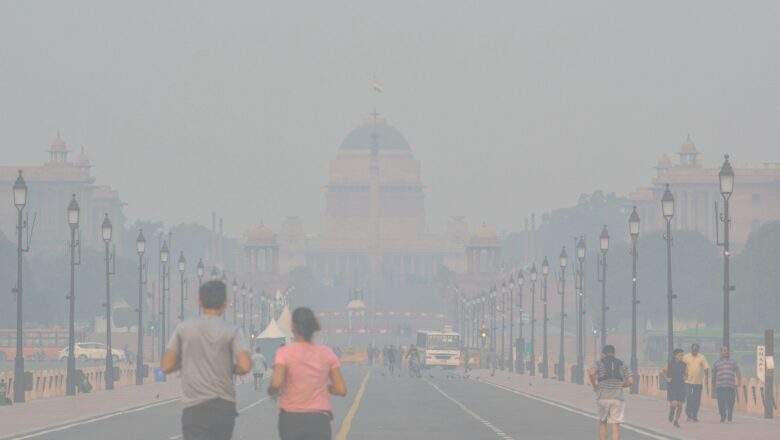
New Delhi: Delhi's air quality remains in the "severe" category for the third consecutive day, with the city now ranked the second most polluted globally. According to Swiss air quality monitoring firm IQAir, Delhi recorded an Air Quality Index (AQI) of 498 on Friday morning, trailing only Lahore, Pakistan, which reported a shocking AQI of 770. Top Polluted Areas in Delhi The Central Pollution Control Board’s Sameer app highlighted the city’s worst-affected areas: Jahangirpuri: AQI 458 Bawana: AQI 455 Wazirpur: AQI 455 Rohini: AQI 452 Punjabi Bagh: AQI 443 Transport Hit Hard by Smog Thick smog reduced visibility across the city, with Palam and Safdarjung areas reporting visibility as low as 500m and 400m, respectively. This has severely disrupted transport servic...

Geospatial Technologies Propel Climate Adaptation Efforts Across Asia

Geospatial Technologies Propel Climate Adaptation Efforts Across Asia

Breaking News, Climate Actions, Tech
Climate change, a crisis that defies national borders, demands urgent action as highlighted by the latest State of the Climate in Asia report. This report warns that extreme weather events like storms, heatwaves, and floods are intensifying, and rising sea levels are worsening the risks for coastal communities. In response, geospatial technologies are proving essential in Asia's climate adaptation efforts, enabling precise monitoring, risk assessment, and disaster preparedness. In Japan, the Arakawa 3D Flood Hazard Map offers Tokyo’s residents real-time flood risk data for the Arakawa River area, detailing inundation depths and flood retention times. By integrating live camera feeds, residents can gauge potential flooding impacts on homes or workplaces and make timely evacuation plans. ...
Toxic Smog Engulfs New Delhi as Air Pollution Soars to 50 Times WHO Limit

Toxic Smog Engulfs New Delhi as Air Pollution Soars to 50 Times WHO Limit

Breaking News, Climate Actions, Disasters, Environment
New Delhi, India – A dense toxic smog blanketed New Delhi on Wednesday, with pollution levels surging to over 50 times the World Health Organization's recommended daily limit. Residents of the sprawling city of over 30 million grappled with choking air, as monitoring firm IQAir reported hazardous levels of PM2.5 pollutants topping 806 micrograms per cubic meter – microparticles that pose severe risks as they can enter the bloodstream through the lungs. Many in the city cannot afford air filters or create sealed indoor spaces to protect themselves, and the smog has led to delayed flights, with visibility dropping below 500 meters in Delhi and even lower at 18 airports across northern India. The hazardous air is attributed to a range of factors, including agricultural stubble burning i...
World Edges Closer to Climate Crisis as 1.5°C Warming Threshold Is Set to Be Surpassed

World Edges Closer to Climate Crisis as 1.5°C Warming Threshold Is Set to Be Surpassed

Breaking News, Climate Actions, Environment, Thoughts & Talks
Baku, Azerbaijan – The world is on track to mark 2024 as the first full year of 1.5°C global warming above pre-industrial levels, according to data presented at the United Nations’ COP29 climate summit. Recent analyses from Copernicus, Berkeley Earth, and the UK Met Office underscore this troubling milestone, with average temperatures this year setting new records and surpassing last year’s high of 0.6°C above the 1991-2020 average. Despite the recent El Niño event contributing to temperature increases earlier this year, the excessive heat has endured well after its dissipation. This persistence signals a new climate reality, with the World Meteorological Organization (WMO) warning of increasing natural disasters as a direct result of fossil fuel emissions. “Record-breaking rainfall,...
Gurugram High Rise Conducts Artificial Rain to Tackle Worsening Air Pollution

Gurugram High Rise Conducts Artificial Rain to Tackle Worsening Air Pollution

Breaking News, Climate Actions, Environment
In a proactive response to the severe air quality crisis gripping Delhi NCR, authorities implemented “artificial rain” in Gurugram’s DLF Primus high-rise complex in Sector 82. Sprinkler systems and fire lines at the top of the 32-story buildings were used to release water, creating a rainfall effect aimed at reducing air pollution levels. The Resident Welfare Association (RWA) President of DLF Primus, Achal Yadav, stated, “This artificial rain initiative is our effort to curb pollution in the area. If AQI levels continue to rise, we’re ready to make this a daily measure.” Additional efforts, such as encouraging carpooling, are also underway to address the ongoing air quality issues. A video from the site shows light rainfall from the high-rise towers, clearing the skies and helping r...
Florida Faces a Critical Choice: Building Resiliently for the Future After 2024’s Hurricanes

Florida Faces a Critical Choice: Building Resiliently for the Future After 2024’s Hurricanes

Breaking News, Climate Actions, Disasters
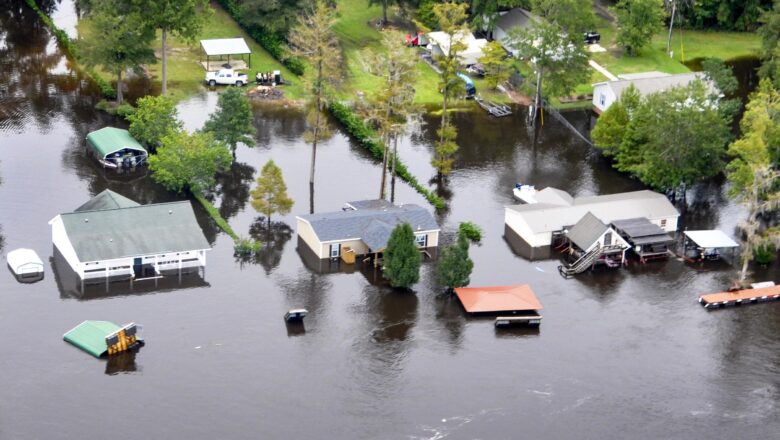
As Florida and the Southeast recover from 2024's hurricanes, many residents and experts are asking how to rebuild in ways that prevent future losses. Civil engineering and disaster recovery experts are finding ways to build homes more resilient to extreme weather, but homeowners often encounter obstacles. One challenge is the high up-front costs of sustainable building materials, especially when the demand surge after a disaster raises prices and strains supply. Additionally, insurance coverage tends to fund only basic rebuilding, leaving residents without resources to add resilience-focused upgrades. Cost and Complexity: Rebuilding Challenges When disaster strikes, the urgency to restore housing clashes with the time and costs of "building back better." With FEMA's stretched reso...
Smallest Nations Biggest Impact: Study Shows Small Island States Facing Severe Flooding Risks Due to Climate Change

Smallest Nations Biggest Impact: Study Shows Small Island States Facing Severe Flooding Risks Due to Climate Change

Breaking News, Climate Actions, Disasters, Environment
A new study led by the University of Bristol has highlighted how Small Island Developing States (SIDS), which contribute the least to climate change, are already facing severe and escalating flood risks. The research reveals that nearly 20% of people living in these islands about 8.5 million are now exposed to coastal and inland flooding. For nations like the Bahamas, Guyana, and Tuvalu, this figure skyrockets, affecting over 60% of their populations. The study, published with data from Fathom’s Global Flood Map and worldwide population databases, marks the first comprehensive assessment of flood risks across all 57 SIDS. These islands, spread across the Pacific, Caribbean, Indian Ocean, and South China Sea, are particularly vulnerable to rising sea levels and severe weather due to thei...
Kenyan Lesser Mealworm Larvae Show Promise in Plastic Degradation, Offering New Hope for Pollution Control

Kenyan Lesser Mealworm Larvae Show Promise in Plastic Degradation, Offering New Hope for Pollution Control

Breaking News, Climate Actions, Environment, Learning & Developments
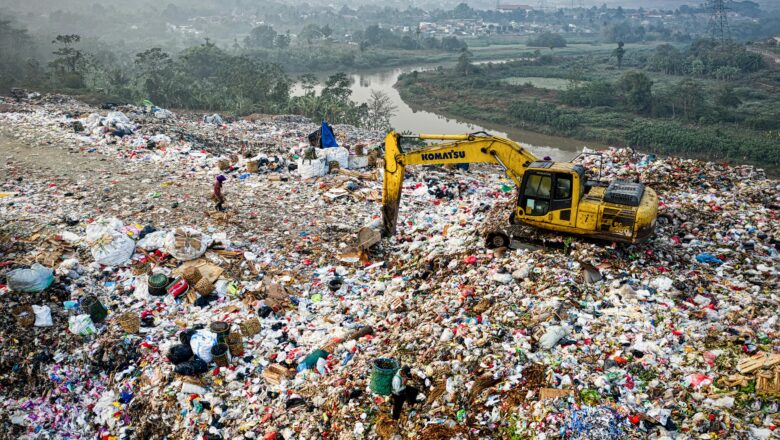
In an innovative approach to tackling plastic pollution, a team of scientists from the International Centre of Insect Physiology and Ecology has discovered that Kenyan lesser mealworm larvae can consume polystyrene a common yet hard-to-recycle plastic. This is the first time an insect species native to Africa has been found to break down polystyrene, adding it to a small but promising group of plastic-degrading insects. How Do They Do It? Polystyrene, often known as Styrofoam, is widely used in packaging and is notoriously difficult to recycle due to its durable nature. While traditional recycling methods are costly and polluting, the Kenyan lesser mealworm has a unique ability to chew through polystyrene with the help of gut bacteria that aid in breaking down the plastic. These larv...
Climate Change Alters Avalanche Patterns in Switzerland: Wet Avalanches Set to Increase as Snowfall Declines

Climate Change Alters Avalanche Patterns in Switzerland: Wet Avalanches Set to Increase as Snowfall Declines

Breaking News, Climate Actions, Disasters
A recent study by Swiss Federal Institute for Snow and Avalanche Research (SLF) expert Stephanie Mayer reveals that less snowfall doesn't necessarily equate to fewer avalanches. Instead, climate change is shifting the nature of avalanche risks in Switzerland, particularly at elevations above 1,800 meters. Mayer’s research indicates that as temperatures rise, dry avalanches are likely to decrease, but they’ll be partially replaced by wet snow avalanches, especially at higher altitudes. These wet avalanches occur when part of the snowpack is moistened by rain or meltwater, making them challenging to control through traditional safety methods, such as artificial triggering. “Closing off endangered areas may be the only solution,” Mayer explains, highlighting the challenges this change pose...
Urgent Call for Climate Services: New WMO Report Shows Critical Gaps in Climate Information Access

Urgent Call for Climate Services: New WMO Report Shows Critical Gaps in Climate Information Access

Breaking News, Climate Actions, Disasters, Environment
As climate change intensifies, so does the urgent need for actionable climate services to help communities mitigate, adapt, and build resilience against increasing risks. A recent multi-agency report from the World Meteorological Organization (WMO) highlights both progress and pressing gaps in the availability of climate information essential for informed decision-making. Despite advancements in some regions, the report warns that investments in climate services fall far short of what’s needed to address today’s unprecedented environmental challenges. Climate Services in the Spotlight The State of Climate Services 2024 report emphasizes that climate services are more essential than ever to help nations adapt to intensifying climate extremes. From planning crop cycles to preparing for...