Friday, June 5News That Matters

Climate Actions

Nagpur Records 56°C, Highest Ever Temperature in India

Nagpur Records 56°C, Highest Ever Temperature in India

Breaking News, Climate Actions, Disasters
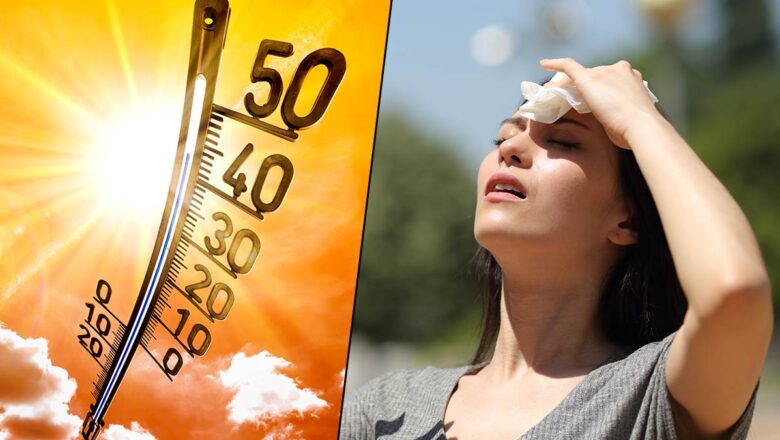
Nagpur, India – In an unprecedented heatwave, Nagpur has recorded a staggering temperature of 56 degrees Celsius, marking the highest temperature ever documented in India. This follows closely on the heels of another extreme temperature event, with Mungeshwar AWS in North-West Delhi recording 52.9 degrees Celsius on Wednesday. According to reports by the Times of India, the Nagpur AWS, located in a 24-hectare open agricultural field at PDKV in Ramdaspeth, registered the record-breaking temperature. Additionally, the Regional Meteorological Centre at Sonegaon reported a temperature of 54 degrees Celsius. The India Meteorological Department (IMD) issued a press statement noting that on Thursday, the highest maximum temperature reported nationwide was 48.3 degrees Celsius at Sri Gangana...
CDRI Launches Major Funding Initiative to Enhance Infrastructure Resilience in Small Island Developing States

CDRI Launches Major Funding Initiative to Enhance Infrastructure Resilience in Small Island Developing States

Breaking News, Climate Actions, Learning & Developments
The Coalition for Disaster Resilient Infrastructure (CDRI) has unveiled a substantial funding initiative aimed at bolstering infrastructure resilience in Small Island Developing States (SIDS). The announcement was made during the United Nations 4th International Conference on SIDS, held in Antigua and Barbuda. The initiative is open to all 57 SIDS nations and offers a comprehensive package of technical support, knowledge resources, and financial assistance. The goal is to fortify critical infrastructure sectors, including transport, power, telecommunications, water, health, and education, against the escalating threats posed by natural disasters and climate change. "This funding will support SIDS with the knowledge products, tools, and partnerships needed to achieve climate and disas...
Urgency of Tackling Erratic Monsoons and Climate Change in India: Study

Urgency of Tackling Erratic Monsoons and Climate Change in India: Study

Breaking News, Climate Actions, Learning & Developments
India's monsoon season is approaching amid a heatwave, with the India Meteorological Department predicting "above normal" rainfall. The monsoon, critical for agriculture and water supply, has become increasingly erratic due to climate change, impacting the economy and livelihoods. Dissecting 40 Years of Rainfall Data As a data scientist, I have analyzed four decades of rainfall data across more than 4,500 Indian tehsils. Our research at the Council on Energy, Environment and Water (CEEW) shows significant changes in monsoon patterns, affecting local preparedness. For instance, historically arid states like Rajasthan, Gujarat, and central Maharashtra have seen a 10-30% increase in southwest monsoon rains in the past decade. Conversely, around 11% of tehsils, particularly in the Indo-G...
Delhi Sizzles Near 50°C: Why Such Scorching Heat? When Can We Expect a Respite? FAQs Answered

Delhi Sizzles Near 50°C: Why Such Scorching Heat? When Can We Expect a Respite? FAQs Answered

Breaking News, Climate Actions
Delhi, India - May 29, 2024, 01:23 PM IST: Delhi is experiencing an extreme heatwave, with temperatures soaring to nearly 50 degrees Celsius. Mungeshpur and Narela recorded 49.9°C, followed by Najafgarh at 49.8°C, marking the highest temperatures ever recorded in the city. The India Meteorological Department (IMD) has issued a red alert for the next two days due to severe heatwave conditions. Why Is Delhi So Hot? Several factors are contributing to the scorching temperatures: Hot Winds from Rajasthan: Hot winds from Rajasthan are affecting Delhi, particularly the outskirts. Open Areas and Vacant Land: Increased radiation in open areas without shade leads to exceptionally high temperatures. Lack of Western Disturbances: The absence of western disturbances, which typically b...
Cyclone Remal Devastates Northeastern States in India: 36 Dead, Widespread Disruptions

Cyclone Remal Devastates Northeastern States in India: 36 Dead, Widespread Disruptions

Breaking News, Climate Actions, Disasters
The onslaught of Cyclone Remal has resulted in the tragic loss of 36 lives across four northeastern states in India, with Mizoram, Nagaland, Assam, and Meghalaya bearing the brunt of heavy rains and landslides on Tuesday. The severe weather conditions have brought daily life to a standstill across the region, disrupting transportation and utilities. Mizoram: The state suffered the highest casualties, with 27 people killed, including 21 victims of a quarry collapse in Aizawl district. Multiple landslides in the district claimed additional lives and left ten people missing. Disaster management and police officials have recovered 21 bodies from the quarry site located between Melthum and Hlimen, with several more feared trapped under debris. Other fatalities were reported in Salem, Aibawk,...
India Endures Record Heatwave as IMD Predicts ‘Above Normal’ Monsoon and its relation with Economy

India Endures Record Heatwave as IMD Predicts ‘Above Normal’ Monsoon and its relation with Economy

Breaking News, Climate Actions, Opinions, Thoughts & Talks
In a significant development, the India Meteorological Department (IMD) has predicted 'above normal' monsoon rainfall for the country, particularly in the monsoon core zone crucial for rain-fed agriculture. This forecast comes amid an extreme heatwave that has gripped several parts of India, including Rajasthan's Phalodi, which recently recorded a blistering 50 degrees Celsius. This is the highest temperature recorded since June 1, 2019, when Churu, also in Rajasthan, reached 50.8 degrees Celsius. The scorching temperatures have turned daily life into a test of endurance, especially for those participating in the ongoing elections. In Delhi, the IMD has issued a red alert as Mungeshpur baked at 48.3 degrees Celsius, with the feel-like heat touching 49 degrees. The heatwave alert has bee...
Study Links the Heatwaves to Increase in Early Births of Babies

Study Links the Heatwaves to Increase in Early Births of Babies

Breaking News, Climate Actions, Learning & Developments
A new study examining 53 million births over 25 years in the United States has found that early births become slightly more frequent during hotter, longer heatwaves. The study, conducted by University of Nevada epidemiologist Lyndsey Darrow and colleagues, analyzed national birth records between 1993 and 2017 across the 50 most populous metropolitan areas in the US. The research reveals that pregnant individuals, along with newborns and infants, are particularly sensitive to extreme heat, as they cannot cool themselves down as effectively as others. This vulnerability is similar to that seen in the elderly. As heatwaves in the US have become 24 percent more intense and are occurring twice as often as in the 1960s, the researchers found a small increase in daily rates of preterm births (...
Antarctica’s Brunt Ice Shelf Calves Massive Iceberg A-83, Signals Ongoing Environmental Shift

Antarctica’s Brunt Ice Shelf Calves Massive Iceberg A-83, Signals Ongoing Environmental Shift

Breaking News, Climate Actions, Environment
On May 20th, 2024, Antarctica witnessed yet another significant iceberg calving event as a massive iceberg measuring 380 square kilometers (approximately 147 square miles) broke off from the Brunt Ice Shelf. This event, designated A-83 by the U.S. National Ice Center, marks the third major iceberg calving in the region within the past four years. The separation of iceberg A-83 was captured by two Earth Observation satellites: the European Space Agency's Copernicus Sentinel-1 and NASA's Landsat 8 satellites. These satellites provided radar imaging and thermal data, respectively, allowing scientists to monitor the effects of climate change on remote regions like Antarctica. Routine monitoring of ice shelves by satellites enables scientists to track changes in ice dynamics and structura...
Remal Cyclone Movement Update: Severe Cyclonic Storm “Remal” Over North Bay of Bengal

Remal Cyclone Movement Update: Severe Cyclonic Storm “Remal” Over North Bay of Bengal

Breaking News, Climate Actions, Disasters
The Severe Cyclonic Storm "Remal" (pronounced as "Re-Mal") over the North Bay of Bengal has intensified significantly. As of 0830 hrs IST today, May 26, 2024, the cyclone was centered near latitude 19.8°N and longitude 89.3°E. It is positioned approximately 260 km south-southwest of Khepupara (Bangladesh), 310 km south of Mongla (Bangladesh), 240 km south-southeast of Sagar Islands (West Bengal), and 280 km south-southeast of Canning (West Bengal). The storm is currently moving northward at a speed of 7 kmph, with maximum sustained winds of 90-100 kmph gusting up to 110 kmph. Forecast and Expected Impact Movement and Landfall: Remal is expected to continue its northward trajectory, intensifying further. It is predicted to make landfall between Sagar Island (India) and Khepupara ...
Why people should never take Pebbles from Coastal Beach or side space form Rivers: Scientist suggest with scientific reasoning

Why people should never take Pebbles from Coastal Beach or side space form Rivers: Scientist suggest with scientific reasoning

Breaking News, Climate Actions, Idea & Innovations
Cumberland Council in northern England has announced new measures to protect its beaches, imposing fines of up to £1,000 on individuals caught removing pebbles. This decision, while frustrating to some beachgoers, is essential for preventing coastal erosion and maintaining natural habitats, as research has shown. For many, visiting the beach evokes joyful childhood memories, where collecting pebbles as souvenirs seemed harmless. However, these pebbles play a critical role in providing habitats for various creatures and offering natural protection for homes and infrastructure from the sea. While many might have taken the odd pebble or even bags of them for garden rockeries, the removal of beach materials is illegal in the UK. This law, established under the 1949 Coastal Protection Act...