Tuesday, August 4News That Matters

Environment

Pacific Islands Turn to Innovative Insurance for Climate Resilience

Pacific Islands Turn to Innovative Insurance for Climate Resilience

Breaking News, Climate Actions, Environment
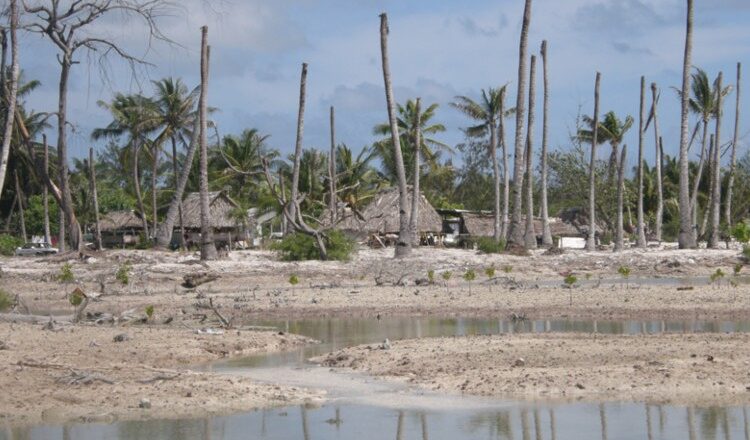
Each November, Pacific communities brace for the annual cyclone season a six-month period that tests their resilience against extreme weather. For many Pacific Islanders, cyclones and floods are more than just natural disasters; they are stark reminders of a changing climate that continues to threaten lives and livelihoods. Ironically, the people least responsible for global emissions face the harshest consequences. Extreme weather events not only destroy homes and infrastructure but also push entire communities into poverty, stretching already debt-ridden governments to their limits. Yet, amid these challenges, the Pacific's renowned resilience shines through. A Region No Stranger to Disaster The Pacific has witnessed some of the most devastating tropical cyclones in history. In ...
Flooding After Wildfires LA Faces Growing Risk Amid Climate Change

Flooding After Wildfires LA Faces Growing Risk Amid Climate Change

Breaking News, Climate Actions, Disasters, Environment
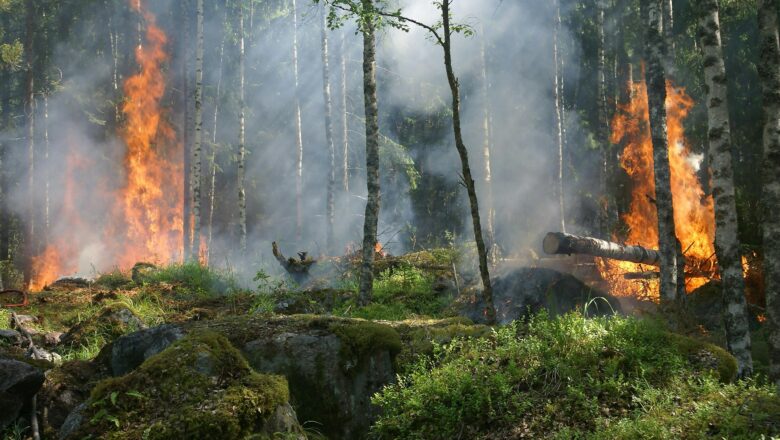
In the aftermath of devastating urban wildfires, a rainstorm might seem like a welcome relief. However, fire-scorched landscapes are highly vulnerable to floods, which can bring further destruction. Los Angeles has experienced this repeatedly, from the 1933 Griffith Park Fire to the 2009 Station Fire in the San Gabriel Mountains and the 2018 Woolsey Fire in Malibu. Mitul Luhar, an expert in fluid dynamics and associate professor of aerospace, mechanical, civil, and environmental engineering at USC, is studying these risks. At the City of Los Angeles's Hydraulic Research Laboratory in Frogtown, Luhar and his team have developed a 1:120 scale hydraulic model of a section of the L.A. River to simulate flood scenarios. Luhar explains why floods often follow wildfires and what engineers c...
How Schools Can Stay Open Amid Disasters: Six Key Strategies

How Schools Can Stay Open Amid Disasters: Six Key Strategies

Breaking News, Climate Actions, Disasters, Environment
Children are often the first to suffer when disasters strike, facing serious threats to their safety, health, and education. According to UNICEF, nearly a billion children worldwide live in countries classified as “extremely high risk” due to climate change. In 2024 alone, over 242 million students experienced school disruptions due to climate-related hazards, with floods, hurricanes, and earthquakes damaging thousands of schools globally. Between 2015 and 2021, data from the Sendai Framework Monitor recorded more than half a million schools being either destroyed or severely impacted. Schools play a critical role in disaster response, often doubling as emergency shelters and community centers, providing safety and continuity in education. Beyond this, they also serve as spaces for disa...
Why Some Communities Resist Climate Relocation Despite Rising Risks

Why Some Communities Resist Climate Relocation Despite Rising Risks

Breaking News, Climate Actions, Environment
Cecilia has lived in Carahatas, a coastal village in Cuba, her entire life. Even as scientists predict that parts of her hometown may be underwater within 50 years due to rising sea levels, she refuses to leave. Like many locals, she believes her community can cope with climate change and flooding, despite government plans to gradually relocate residents to higher ground. Carahatas is not alone. Across the world, communities face increasingly extreme weather events, including droughts, heat waves, landslides, floods, hurricanes, and tropical storms. While governments and experts often propose relocation as a solution, many people refuse to move. Why do they stay despite the risks? A recent study led by Université de Montréal architecture professor Gonzalo Lizarralde sheds light on th...
Climate Change to Cause Over 2.3 Million Additional Heat-Related Deaths in Europe by 2099

Climate Change to Cause Over 2.3 Million Additional Heat-Related Deaths in Europe by 2099

Breaking News, Climate Actions, Environment
A modelling study led by the Environment & Health Modelling (EHM) Lab at the London School of Hygiene & Tropical Medicine (LSHTM) reveals alarming projections for the impact of climate change on temperature-related deaths across Europe. Published in Nature Medicine, the study predicts a substantial rise in deaths from heat, far outweighing any reduction in cold-related fatalities. Without immediate action to reduce carbon emissions, climate change could result in over 2.3 million additional temperature-related deaths across 854 European cities by the end of this century. The Mediterranean region, Central Europe, and the Balkans are identified as particularly vulnerable areas, with major cities like Barcelona, Rome, and Madrid expected to bear the brunt of this crisis. Adaptat...
Expert Calls for Stronger Climate Risk Response to Tackle Extreme Events

Expert Calls for Stronger Climate Risk Response to Tackle Extreme Events

Breaking News, Climate Actions, Environment, Learning & Developments
Katharine Mach, a climate risk management specialist and chair at the University of Miami’s Department of Environmental Science and Policy, emphasizes the urgent need for a comprehensive risk-response framework to address the increasing complexity of climate change. Drawing insights from her research on hazards like wildfires, flooding, and extreme heat, she outlines key strategies for adaptation and highlights challenges in implementation. Adapting to climate change means preparing for current risks and anticipating future challenges. With global temperatures surpassing a 1.5°C increase for the first time in 2024, communities are grappling with unprecedented climate extremes. Mach stresses that adaptation is crucial to ensuring safety and resilience in the face of these challenges. ...
Haridwar’s Waste Crisis Mirrors Urban India’s Struggle with Modernization

Haridwar’s Waste Crisis Mirrors Urban India’s Struggle with Modernization

Breaking News, Climate Actions, Environment
Haridwar, a city revered as the gateway of the Ganga into the plains, is a spiritual and cultural hub visited by millions annually. Yet, its divine significance is shadowed by an escalating waste management crisis that underscores urban India’s battle to reconcile its traditions with the demands of modernization. As one of India’s holiest cities, Haridwar attracts over 40 million pilgrims every year. This influx overwhelms its infrastructure, with the city generating 260-300 metric tons of waste daily, surging to nearly 6,000 tons during peak religious festivals like the Kanwar Yatra. This monumental waste burden exposes systemic inefficiencies and the broader challenges faced by Indian cities striving for sustainable development. The waste generated in Haridwar is as diverse as its ...
Storm Éowyn Bomb Cyclone Unleashes Fury Over British Isles

Storm Éowyn Bomb Cyclone Unleashes Fury Over British Isles

Breaking News, Disasters, Environment
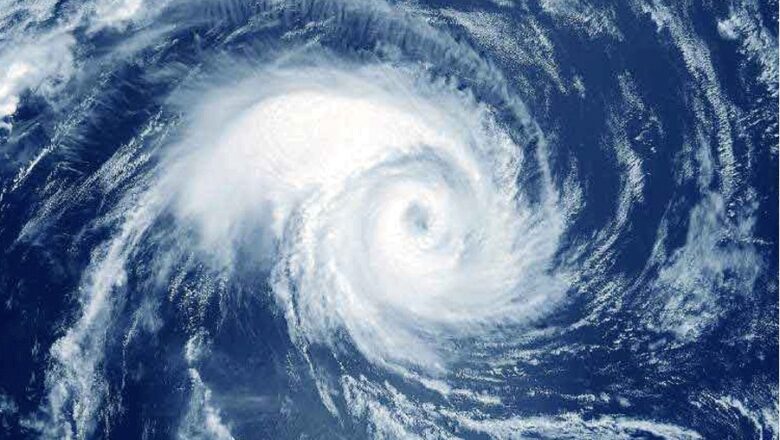
Storm Éowyn has swept across the British Isles, bringing devastating winds and record-breaking gusts, particularly to Ireland and Scotland. Meteorologists have classified this weather phenomenon as a “bomb cyclone” due to the dramatic drop in air pressure at its center a staggering 50 millibars in just 24 hours, more than double the threshold for explosive cyclogenesis. The extraordinary intensity of Storm Éowyn was anticipated, prompting red weather warnings from the Met Office and Met Éireann. These alerts covered all of Ireland and central and southern Scotland, warning of widespread gusts between 80-90 mph and up to 100 mph in exposed areas. Mace Head, on Ireland’s west coast, provisionally recorded a record-breaking gust of 114 mph. Storm Éowyn’s ferocity places it alongside inf...
Extreme Climatic Events Transform Over 7,500 Greenland Lakes from Carbon Sinks to Sources

Extreme Climatic Events Transform Over 7,500 Greenland Lakes from Carbon Sinks to Sources

Breaking News, Climate Actions, Disasters, Environment
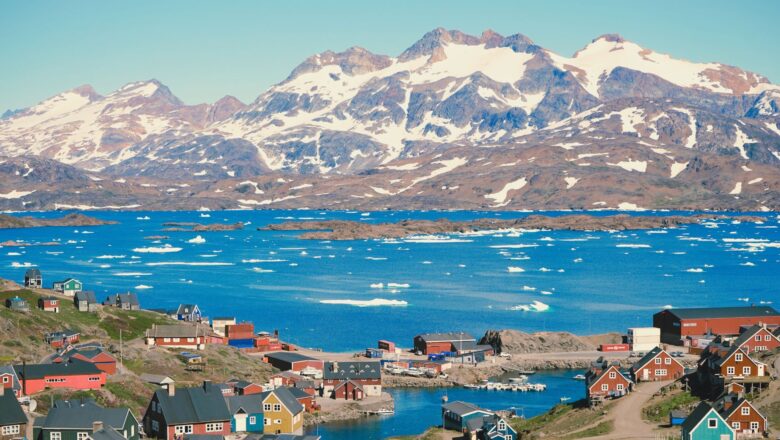
Over 7,500 lakes in western Greenland have undergone a significant ecological transformation due to extreme climatic conditions. Atmospheric rivers (ARs) have turned these lakes from carbon sinks into carbon sources, a new study published in the Proceedings of the National Academy of Sciences (PNAS) has revealed. In September 2022, record heat and heavy rains driven by ARs altered the physical, biological, and biogeochemical characteristics of these lakes. ARs, often referred to as “rivers in the sky,” are narrow regions in the atmosphere that transport water vapor outside tropical areas, as defined by the National Oceanic and Atmospheric Administration (NOAA). The influx of rainfall instead of snow, alongside remnants of Hurricane Fiona, caused unprecedented melting of the Greenland...
UNHCR Faces Record Humanitarian Challenges in 2024 Amid Conflicts and Climate Crises

UNHCR Faces Record Humanitarian Challenges in 2024 Amid Conflicts and Climate Crises

Breaking News, Climate Actions, Environment
The United Nations High Commissioner for Refugees (UNHCR) confronted unprecedented challenges in 2024, responding to a record 43 humanitarian emergencies, including 26 newly declared crises. Seven of these reached the agency’s highest emergency level, reflecting escalating global needs due to ongoing conflicts, new wars, and climate-related disasters, as highlighted in the recently released 2024 Impact Report: Response to New Emergencies and Protracted Crises. The war in Sudan remained a central focus for UNHCR, with relief efforts continuing into a second year to address the severe regional impact. Alongside Sudan, other conflict zones such as Lebanon, Syria, Ukraine, Myanmar, and the Democratic Republic of the Congo demanded significant humanitarian response. Climate-related emerge...