Wednesday, August 5News That Matters

Environment

Arctic May Experience Its First Ice-Free Day by 2027, Study Warns

Arctic May Experience Its First Ice-Free Day by 2027, Study Warns

Breaking News, Climate Actions, Environment, Learning & Developments
The Arctic is on the brink of a dramatic environmental shift, with scientists predicting its first ice-free day as early as 2027, according to a study published in Nature Communications. Researchers from Colorado University (CU) Boulder and the University of Gothenburg have raised alarms about this milestone, which signifies sea ice shrinking to an area of 1 million square kilometers or less. Rapid Melting Trends Arctic sea ice is currently disappearing at an unprecedented rate of over 12% per decade, compared to its 1981-2010 average, NASA reports. By analyzing hundreds of climate simulations spanning from 2023 to 2100, researchers found that an ice-free Arctic is almost inevitable within 9 to 20 years, with the worst-case scenario placing this event just three years away. Implic...
Delhi Air Quality Improves to Moderate After 50 Days but ‘Poor’ Forecast Looms

Delhi Air Quality Improves to Moderate After 50 Days but ‘Poor’ Forecast Looms

Breaking News, Climate Actions, Environment
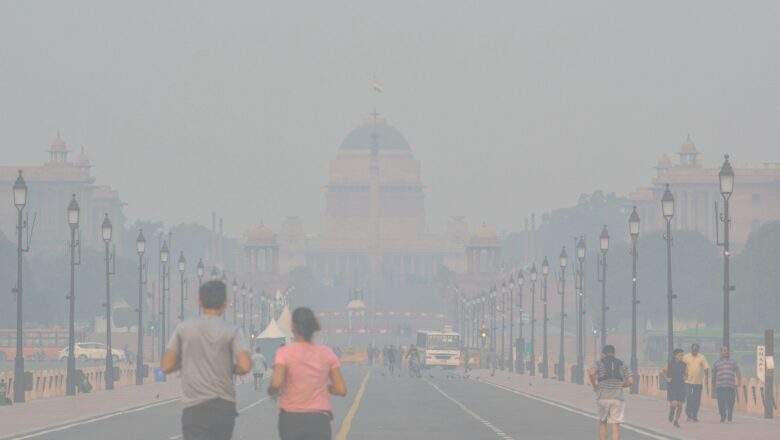
New Delhi: After enduring over 50 days of high pollution Delhi experienced a significant improvement in air quality on Wednesday with the Air Quality Index (AQI) recorded at 178, categorised as 'moderate.' However the Air Quality Early Warning System predicts a decline to the 'poor' category by Friday. Strong surface winds helped disperse pollutants, offering much-needed relief. Visibility improved and the city's skies appeared clearer, according to the India Meteorological Department (IMD). Out of 38 air quality monitoring stations, most recorded 'moderate' air quality, while eight registered 'poor' and Sri Aurobindo Marg reported 'very poor.' Current Weather Conditions: AQI: 178 ('moderate') on Wednesday, down from 268 on Tuesday. Temperature: Maximum of 28°C (3°C above ...
Greenland Accelerating Ice Melt Could Raise Sea Levels by One Meter by 2100

Greenland Accelerating Ice Melt Could Raise Sea Levels by One Meter by 2100

Breaking News, Climate Actions, Environment
The melting of Greenland’s ice sheet is accelerating at an alarming pace, with the potential to lose between 964 and 1,735 gigatons of ice annually by 2100 under high greenhouse gas emissions (SSP585), according to new research led by the University of Liège. This massive ice loss could lead to a rise in global sea levels by up to one meter, putting millions in coastal regions at risk. The Scale of the Crisis Recent studies, including one published in Geophysical Research Letters, reveal that Greenland currently contributes 25% to global sea-level rise, adding 0.6 millimeters per year. If melting continues unabated, this contribution could surge dramatically by the end of the century. Three regional climate models RACMO, MAR, and HIRHAM offer slightly varying predictions due to di...
Mumbai Records Coldest Day in 8 Years at 16.5°C, Warmer Days Expected Ahead

Mumbai Records Coldest Day in 8 Years at 16.5°C, Warmer Days Expected Ahead

Breaking News, Climate Actions, Environment
Mumbai experienced its coldest day in eight years on Friday, with the minimum temperature dipping to 16.5°C, according to the India Meteorological Department (IMD). This was recorded by the Santacruz observatory, which monitors weather for the city’s suburbs. The Colaba observatory, representing the island city, registered a slightly warmer minimum temperature of 21.4°C. The last time Mumbai saw a colder November day was on November 11, 2016, when the temperature dropped to 16.3°C, IMD scientist Sushma Nair noted. No Cold Wave Alert Despite the drop in mercury, the IMD clarified that there is no cold wave alert for Mumbai or Maharashtra between November 30 and December 3. Temperatures are expected to rise after this period due to changes in weather systems over the Bay of Bengal. ...
Breaking News Depression in Bay of Bengal Intensifies, Landfall Expected Between Chennai and Puducherry

Breaking News Depression in Bay of Bengal Intensifies, Landfall Expected Between Chennai and Puducherry

Breaking News, Climate Actions, Disasters, Environment
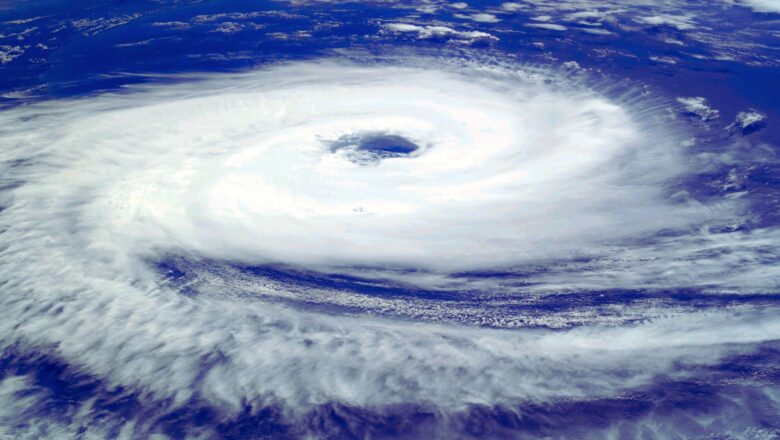
The India Meteorological Department (IMD) has issued a critical alert as a depression over the Southwest Bay of Bengal and East Equatorial Indian Ocean moves toward the Sri Lanka and Tamil Nadu coasts. The weather system is expected to intensify into a deep depression within the next 24 hours and could potentially make landfall between Chennai and Puducherry in the coming days. Current Position and Movement As of 11:30 AM IST on November 25, the depression was located at: 5.1°N latitude and 84.5°E longitude Approximately 530 km southeast of Trincomalee (Sri Lanka) 810 km southeast of Nagappattinam 920 km southeast of Puducherry 1,000 km south-southeast of Chennai The system is currently moving west-northwestward at a speed of 30 km/h. IMD’s Projections Accor...
Global Cities Fail to Meet Tree Canopy Goals Despite Abundance of Trees

Global Cities Fail to Meet Tree Canopy Goals Despite Abundance of Trees

Breaking News, Climate Actions, Environment
New research has revealed that most global cities, including Melbourne and Sydney, lack adequate tree canopy coverage, even though trees are abundant in urban landscapes. The study, published in Nature Communications, measured over 2.5 million buildings across eight cities using the '3-30-300' rule, a benchmark for sustainable urban nature access. Melbourne and Sydney Fall Short The study found that only 3% of buildings in Melbourne's inner suburbs had sufficient canopy cover, despite 44% of buildings having views of at least three trees. Central Sydney performed slightly better, with 17% of buildings shaded adequately, though 84% of buildings had views of three or more trees. Lead researcher Dr. Thami Croeser from the Centre for Urban Research said urgent action is needed to incr...
Japan and UNDP Join Hands to Build Disaster-Resilient Evacuation Centers in Laos

Japan and UNDP Join Hands to Build Disaster-Resilient Evacuation Centers in Laos

Breaking News, Disasters, Environment
Vientiane, November 24, 2024: The Government of Japan and the United Nations Development Programme (UNDP) have partnered to construct 12 state-of-the-art evacuation centers in the disaster-prone provinces of Khammouane, Salavan, and Champasack in Laos over the next three years. The initiative, valued at $3.8 million, aims to enhance disaster resilience and foster a culture of preparedness in the region. At the signing ceremony, H.E. Mr. Koizumi Tsutomu, Japan's Ambassador to Laos, emphasized the importance of the project: "This initiative not only ensures safety during emergencies but also promotes disaster awareness and preparedness. Japan remains committed to strengthening Laos' resilience as a strategic partner." A Lifeline for Vulnerable Communities The Strengthening Disast...
Study Finds Global Cities Falling Short on Tree Canopy Cover for Urban Health

Study Finds Global Cities Falling Short on Tree Canopy Cover for Urban Health

Breaking News, Climate Actions, Environment
New research analyzing access to urban greenery across eight major global cities, including Melbourne and Sydney, reveals alarming gaps in tree canopy cover, despite the presence of visible trees. The study, published in Nature Communications, applies the ‘3-30-300’ rule, a sustainable cities benchmark, to evaluate urban nature access and its benefits. The '3-30-300' Rule Explained The rule, developed by Dutch urban forestry expert Professor Cecil Konijnendijk, suggests every home, school, and workplace should: Have a view of at least three trees. Be in a neighborhood with 30% tree canopy cover. Be within 300 meters of a park. While most buildings in the study met the "three trees" requirement, almost all cities fell short of the 30% canopy cover benchmark. Key Findi...
Microplastics Found in Clogged Arteries Linked to Increased Stroke and Heart Attack Risk

Microplastics Found in Clogged Arteries Linked to Increased Stroke and Heart Attack Risk

Breaking News, Environment, Learning & Developments
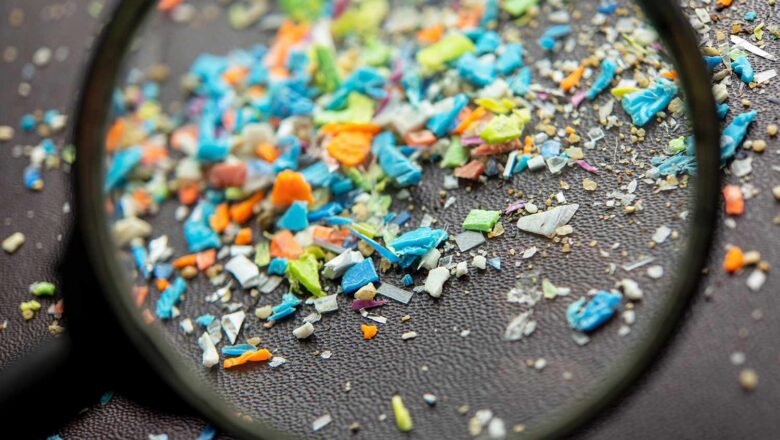
Microplastics, tiny plastic fragments that infiltrate human tissues, have been detected in arterial plaques, raising significant concerns about cardiovascular health. A groundbreaking study published in The New England Journal of Medicine explores the association between microplastics in fat-clogged arteries and increased risks of stroke, heart attacks, and death. Led by Dr. Raffaele Marfella from the University of Campania, Naples, the study analyzed fatty deposits removed from 257 patients undergoing carotid endarterectomy, a surgical procedure to reduce stroke risk. Key findings include: Microplastics Presence: Nearly 60% of the plaques contained polyethylene, commonly found in plastic bags and bottles. Additionally, 12% contained polyvinyl chloride (PVC), used in pipes, flooring,...
Stubble Burning and Pollution: ICAR Warns of Irreparable Damage to Soil and Air Quality

Stubble Burning and Pollution: ICAR Warns of Irreparable Damage to Soil and Air Quality

Breaking News, Environment
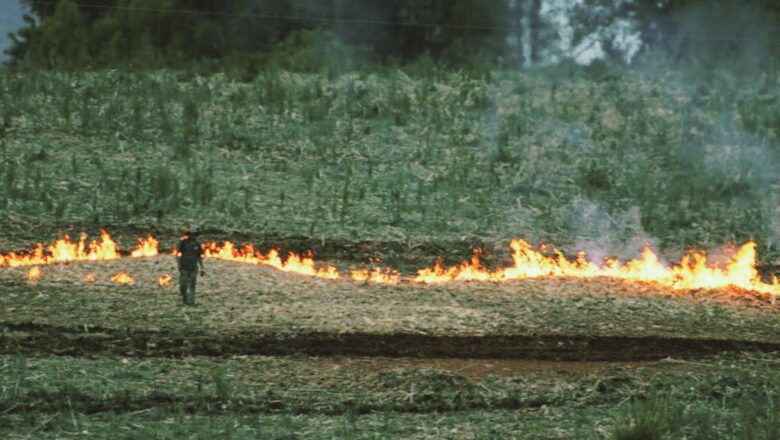
As Delhi continues to choke under hazardous air pollution senior scientists from the Indian Council of Agricultural Research (ICAR) have raised alarms about the dual damage caused by stubble burning—not only polluting the air but also depleting vital soil nutrients. Nutrient Loss and Soil Degradation ICAR scientists revealed that burning one tonne of paddy stubble results in a significant loss of soil nutrients, including: 12-13 kg of phosphorus 35 kg of potassium 20 kg of nitrogen Of these, nitrogen is completely lost, while phosphorus is partially recoverable. ICAR Director General Himanshu Pathak emphasized that stubble burning harms both the environment and agricultural productivity, stating, “In any form, stubble should not be burnt as it harms everyone.” Rising P...