Monday, August 3News That Matters

Environment

Assam Floods Affect 5.35 Lakh; Death Toll at 11, CM Warns of ‘Water Bomb’ Risk from Dam Release

Assam Floods Affect 5.35 Lakh; Death Toll at 11, CM Warns of ‘Water Bomb’ Risk from Dam Release

Breaking News, Climate Actions, Environment
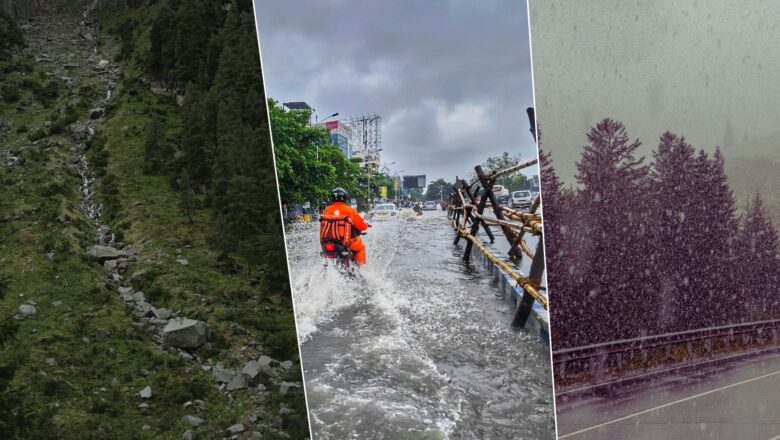
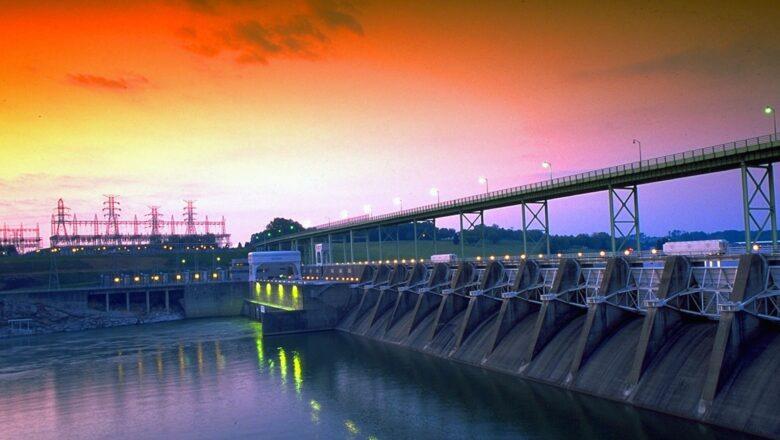
The flood situation in Assam has turned dire, affecting over 5.35 lakh people across 22 districts, as relentless rainfall and swollen rivers continue to wreak havoc. The death toll from floods and landslides has risen to 11, while two persons remain missing. According to the Assam State Disaster Management Authority (ASDMA), a total of 5,15,039 people across 1,254 villages in 65 revenue circles have been hit. Sribhumi is the worst-affected district with 1.94 lakh people impacted, followed by Cachar (77,961) and Nagaon (67,880). Fifteen rivers are currently in spate, including the Brahmaputra flowing above danger level at Neamatighat and Tezpur and Barak, Subansiri, Dhansiri, Kopili, and others. Embankments have been breached in three locations and damaged in two more, while crop dama...
India Ramps Up Climate, Security Diplomacy in Central Asia with Strong Glacier Warning

India Ramps Up Climate, Security Diplomacy in Central Asia with Strong Glacier Warning

Breaking News, Climate Actions, Environment
In a major diplomatic push through Central Asia, India has reaffirmed its climate leadership and regional cooperation agenda with a focused outreach led by Minister of State for External Affairs Kirti Vardhan Singh. During a high-level visit to Tajikistan and Kyrgyzstan, Singh participated in key multilateral forums on glacier preservation and biodiversity while also holding bilateral discussions on security, trade, and strategic collaboration. In Tajikistan’s capital, Dushanbe, Singh addressed the High-Level International Conference on Glacier Preservation, placing the spotlight on the alarming rate of glacial retreat in the Himalayas. Stressing the urgency of the climate crisis, the Indian delegation showcased India’s scientific and technological efforts in glacier monitoring under th...
New Study Finds Doubling Glacier Preservation Possible If 1.5°C Climate Target Is Met

New Study Finds Doubling Glacier Preservation Possible If 1.5°C Climate Target Is Met

Breaking News, Climate Actions, Environment
A landmark study published in Science reveals that limiting global warming to 1.5°C as outlined in the Paris Agreement could preserve twice as much of the world’s glacier mass compared to current warming projections. Conducted by an international team of researchers, the study examined more than 200,000 glaciers outside of Greenland and Antarctica using eight advanced glacier models. The findings arrive during the United Nations’ International Year of Glaciers' Preservation and offer a stark warning about the irreversible impacts of unchecked climate change. Despite a global average temperature increase of 1.2°C since pre-industrial times, the research shows that 39% of glaciers are already set to disappear even if temperatures stabilized today. This loss alone would add more than fo...
Drought-Resistant Wheat: Friendly Soil Bacteria Offer Breakthrough for Climate-Smart Farming

Drought-Resistant Wheat: Friendly Soil Bacteria Offer Breakthrough for Climate-Smart Farming

Breaking News, Climate Actions, Environment
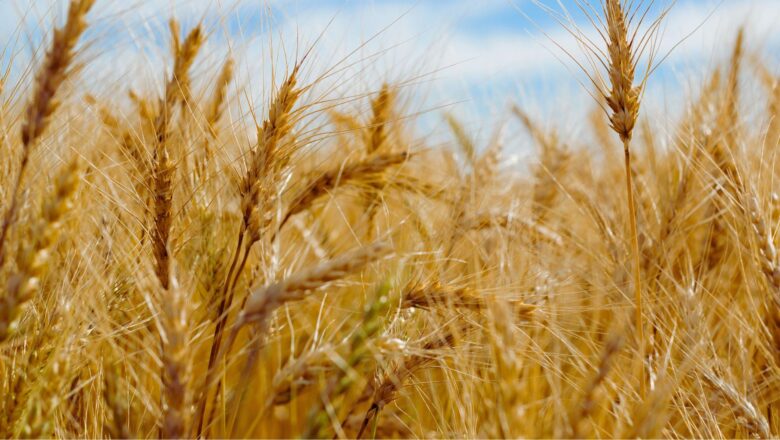
In a major breakthrough for sustainable agriculture researchers at Western Sydney University have discovered that wheat plants under drought stress can recruit helpful soil microbes to survive a finding that could revolutionise crop resilience in the face of climate change. Nature’s SOS: Microbial Allies Beneath Our Feet The study, published in the prestigious journal Cell Host & Microbe, reveals that drought-hit wheat plants secrete a compound called 4-oxoproline through their roots. This acts like a chemical distress signal, attracting beneficial soil bacteria particularly Streptomyces and Leifsonia to their root zones. Once in place, these “drought-fighting” microbes respond by producing osmolytes, plant hormones, and nutrient solubilisers. Together, these help wheat plants...
Earth Changing Seasons Threaten Global Ecosystems and Species

Earth Changing Seasons Threaten Global Ecosystems and Species

Breaking News, Climate Actions, Environment
Earth’s seasonal cycles so central to life on the planet are undergoing dramatic shifts due to climate change and human activity. These changes are putting species, ecosystems, and even human societies at growing risk. From tropical rainforests to polar ice caps, the planet’s annual journey around the Sun brings seasonal variations in temperature, rainfall, and sunlight. These rhythms drive plant growth, animal migration, reproduction, and even cultural events like harvests and festivals. But human-caused disruptions such as deforestation, dam construction, and global climate change are now altering these cycles across regions. From snowmelt timing in the mountains to shifts in monsoon rains, ecosystems are struggling to adapt. Ecological relationships often depend on precise seas...
May 2025 turns wet and wild: record rains, rare floods, and farm losses sweep India

May 2025 turns wet and wild: record rains, rare floods, and farm losses sweep India

Breaking News, Climate Actions, Environment, Fact Check
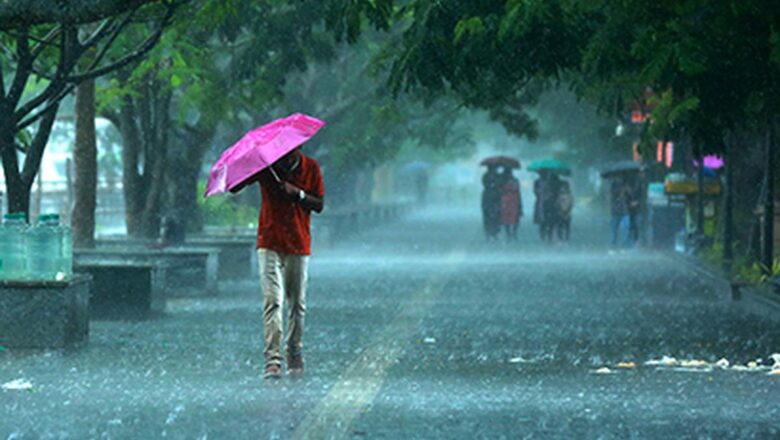
May in India is usually a story of blistering sun and relentless heatwaves, but 2025 has rewritten that script in dramatic fashion. Instead of scorching temperatures, this month has brought persistent downpours, thunderstorms, and unseasonal weather to vast swathes of the country a rare and remarkable shift from the norm. According to the India Meteorological Department (IMD), the surprising spell of rain is a result of two powerful factors converging: an earlier-than-usual arrival of southwest monsoon winds and an unusually high frequency of western disturbances (WDs). Between five and seven of these extratropical weather systems which usually affect northwestern India during winter were recorded in May alone, well above average. This extended activity of WDs into the pre-monsoon se...
Deep depression crosses Bengal coast, triggers heavy rain and squalls across eastern, northeastern India

Deep depression crosses Bengal coast, triggers heavy rain and squalls across eastern, northeastern India

Breaking News, Climate Actions, Environment
A deep depression over the northwest Bay of Bengal crossed the West Bengal-Bangladesh coast near Raidighi on the morning of May 29, 2025, bringing with it widespread heavy rainfall and squally winds. The India Meteorological Department (IMD) reported that the system moved inland between 10:30 am and 11:30 am, between Sagar Island and Khepupara. The weather system is expected to move north-northeastwards and gradually weaken into a depression by the evening. However, its impact will continue to be felt across large parts of eastern and northeastern India. The IMD has forecast extremely heavy rainfall in Meghalaya on May 30, with isolated areas likely to see over 30 centimetres of precipitation. Assam is also bracing for extreme rainfall, with forecasts of over 20 cm in some places. Th...
Glacier Crisis Deepens: Just 24% of Global Ice to Survive If Warming Hits 2.7°C, Warns Study

Glacier Crisis Deepens: Just 24% of Global Ice to Survive If Warming Hits 2.7°C, Warns Study

Breaking News, Climate Actions, Environment
Only a quarter of the world’s glacier ice will remain if global temperatures rise to 2.7°C above pre-industrial levels the path the planet is currently on according to a new study published in the journal Science. The findings come as over 50 countries gather in Tajikistan for the United Nations’ first-ever international conference on glaciers, held against the backdrop of alarming global melt rates. The study, conducted by 21 scientists from 10 countries, used eight advanced models to simulate the long-term fate of more than 200,000 glaciers worldwide. The results reveal a stark difference in outcomes depending on the world’s climate action trajectory. Under the current path, with warming expected to reach 2.7°C, only 24 per cent of the 2020 glacier ice mass would survive in the long r...
Cyclonic Storm Brings Torrential Rain, Squalls Across Eastern and Southern India

Cyclonic Storm Brings Torrential Rain, Squalls Across Eastern and Southern India

Breaking News, Climate Actions, Environment
A deep depression brewing over the northwest Bay of Bengal made landfall between Sagar Island and Khepupara near Raidighi in West Bengal late morning on May 29, 2025, bringing with it heavy rainfall and squally winds, the India Meteorological Department (IMD) confirmed. The system is expected to track north-northeastward, maintain its strength through the evening, and gradually weaken into a depression overnight. Widespread weather disturbances are expected over the next 48 hours, with the northeast and eastern parts of India bracing for intense rainfall and strong winds. Meghalaya is forecast to receive extremely heavy rainfall on May 30, with some areas expected to see more than 30 cm of rain. Assam is also likely to witness extremely heavy rainfall, with accumulations crossing 20 cm ...
Warming world: 80% chance next five years break heat records

Warming world: 80% chance next five years break heat records

Breaking News, Climate Actions, Environment, Fact Check
Europe and the world are heading toward uncharted climate territory. The World Meteorological Organization (WMO) warns there's now an 80% chance that at least one of the next five years will break 2024’s record as the warmest year ever. Even more striking: there’s an 86% chance that at least one of those years will temporarily cross the critical 1.5°C warming threshold set by the Paris Agreement. While these temperature spikes may be short-lived, they’re still troubling. The latest WMO update, produced by the UK’s Met Office, forecasts a 70% chance that the 5-year average from 2025–2029 will exceed 1.5°C above pre-industrial levels a sharp jump from 47% last year. The report stresses that every fraction of a degree matters, pushing the planet closer to climate tipping points. The Arc...