
Tuesday, July 28News That Matters

Tag: disaster news

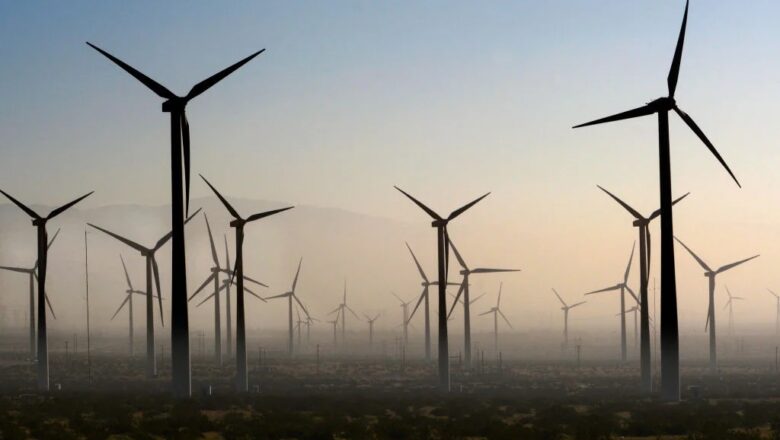
India Approves New Inter-State Transmission System to Boost Renewable Energy Evacuation from Rajasthan and Karnataka

India Approves New Inter-State Transmission System to Boost Renewable Energy Evacuation from Rajasthan and Karnataka

Breaking News, Climate Actions, Environment
In a significant move to bolster its renewable energy infrastructure, the Government of India has greenlit the implementation of a new Inter-State Transmission System (ISTS) designed to evacuate a substantial 9 GW of electricity from the states of Rajasthan and Karnataka. This ambitious project, which falls under the Tariff Based Competitive Bidding (TBCB) regime, is a crucial part of India's overarching goal to establish 500 GW of renewable energy capacity by 2030, with 200 GW already operational. The approved scheme aims to enhance the country's renewable energy capabilities by facilitating the efficient transfer of power from areas rich in renewable resources to regions with high demand. The initiative underscores India's commitment to sustainable development and its efforts to mitig...
WMO Report Highlights Urgent Need for Enhanced Hydrometeorological Services in Vulnerable Nations

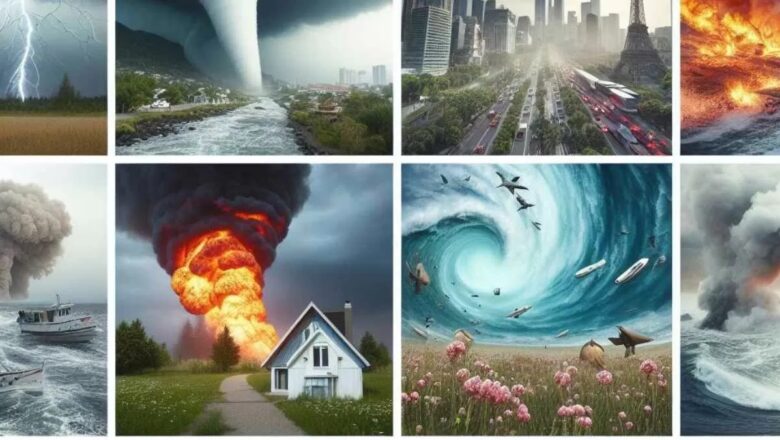
WMO Report Highlights Urgent Need for Enhanced Hydrometeorological Services in Vulnerable Nations

Breaking News, Climate Actions, Disasters
The World Meteorological Organization (WMO), a founding member of the Alliance for Hydromet Development, has released the 2024 Hydromet Gap Report, revealing critical deficiencies in hydrometeorological services (hydromet) across Least Developed Countries (LDCs) and Small Island Developing States (SIDS). The report, launched during the 8th SOFF Steering Committee meeting, underscores the severe impact of these gaps on climate adaptation and resilience efforts, with significant implications for sustainable development and disaster preparedness. Key Findings The report provides a comprehensive analysis of the state of hydromet services in 20 countries, highlighting the following critical gaps: Weak Observational Infrastructure: Many National Meteorological and Hydrological Service...