Wednesday, May 6News That Matters

Month: February 2026

Another Controversial Land Deal in Suriname Threatens the Amazon Rainforest

Another Controversial Land Deal in Suriname Threatens the Amazon Rainforest

Breaking News
    Officials in Suriname are attempting to reverse a controversial agribusiness contract that could lead to the clearing of more than 113,000 hectares (280,000 acres) of Amazon rainforest a move experts warn would jeopardize the country’s carbon-negative status and undermine its environmental commitments. The land in question lies in the northwestern district of Nickerie and was earmarked in 2024 under a public-private partnership between Suriname’s Ministry of Agriculture and Suriname Green Energy Agriculture N.V., a company focused on sugarcane ethanol and bioenergy production. Although the agreement was signed under the previous administration, critics say the legal framework remains active and clearing has begun in recent months allegedly without the necessary en...
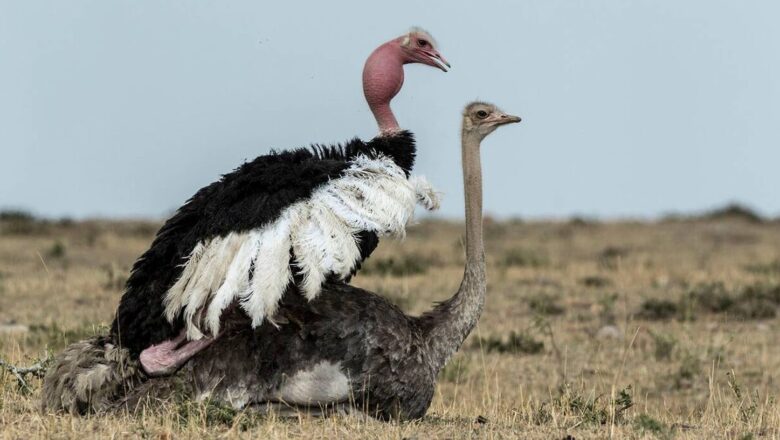
Milestone for Rewilding as Ostriches Return to Saudi Desert After 100-Year Absence

Milestone for Rewilding as Ostriches Return to Saudi Desert After 100-Year Absence

Breaking News
    In a landmark conservation effort, the red-necked ostrich has returned to the Arabian Peninsula after disappearing from the wild there nearly a century ago. The reintroduction marks a significant milestone in Saudi Arabia’s ambitious rewilding initiative aimed at restoring native megafauna to vast, sparsely inhabited desert landscapes. The critically endangered bird, historically known as the “camel bird,” was released into the six-million-acre Prince Mohammed bin Salman Royal Reserve, Saudi Arabia’s third-largest protected area. Once celebrated in Arab poetry and noted by Roman scholars, the ostrich had been extinct in the region for approximately 100 years. Part of a Broader Rewilding Vision The return of the ostrich is part of the long-term “ReWild Arabia” p...
Floods Send Far More Plastic to the Ocean Than Previously Estimated

Floods Send Far More Plastic to the Ocean Than Previously Estimated

Disasters
    Rivers do not carry plastic into the ocean in a slow, steady stream. Instead, they release it in powerful bursts especially during floods. A new study shows that when rivers swell after heavy rainfall, the amount of microplastics and mesoplastics in the water can rise dramatically, suggesting that scientists may be significantly underestimating how much plastic ultimately reaches the sea. Researchers found that plastic transport is heavily concentrated during short periods of high water flow. If monitoring only takes place during calm, low-flow conditions, the most important part of the story may be missed. Measuring Plastic in the Middle of a Storm Most previous studies on river plastic pollution have focused on normal flow conditions, largely because sampling...
Restoring Lifeline In The Mountains: How BRO Is Battling Odds To Reopen Mughal Road

Restoring Lifeline In The Mountains: How BRO Is Battling Odds To Reopen Mughal Road

Breaking News
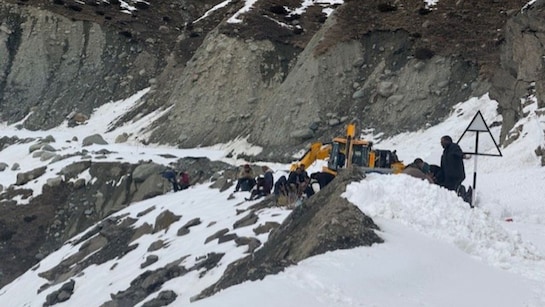
    In a dramatic effort unfolding amid towering snow walls and sub-zero temperatures, the Border Roads Organisation (BRO) is racing against time to reopen the historic Mughal Road in Jammu and Kashmir a crucial lifeline that connects the Kashmir Valley with the Pir Panjal region. Massive snow blowers roar to life each morning, cutting through layers of compacted snow and ice that have buried the road for weeks. The operation is not merely about clearing a highway; for thousands of residents, it represents the restoration of trade, mobility and access to essential services that have been severely disrupted by winter’s grip. Stretching from Shopian in the Valley to Bafliaz in Poonch, the Mughal Road reduces travel time between the two regions to about three hours. Howe...
Flood Alerts Remain in Yorkshire After Weeks of Relentless Rain

Flood Alerts Remain in Yorkshire After Weeks of Relentless Rain

Disasters
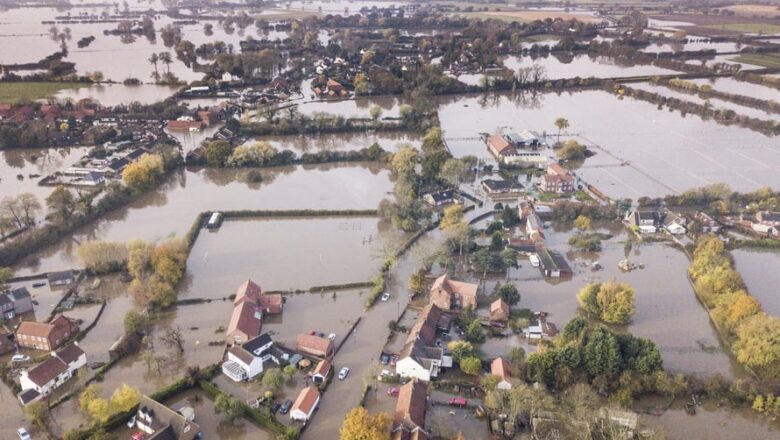
    Several flood alerts and a flood warning remain in force across parts of Yorkshire following weeks of persistent rainfall that has left rivers swollen and ground saturated. The Environment Agency has issued one flood warning for the River Ouse in York, meaning flooding is expected, along with four flood alerts across the region, indicating that flooding is possible. Areas affected include parts of the River Went in West Yorkshire and the River Derwent in North Yorkshire. Recent images from York show the River Ouse bursting its banks, with floodwater spilling onto pavements and roads in the city centre. Forecasters say the unsettled conditions are the result of a “blocked” weather pattern that has lingered for several weeks, preventing more settled systems from ...
Palau Builds Climate Resilient Disaster Shelters to Protect Communities from Rising Seas and Fierce Typhoons

Palau Builds Climate Resilient Disaster Shelters to Protect Communities from Rising Seas and Fierce Typhoons

Breaking News
    The Pacific island nation of Palau, often described as one of the world’s last untouched paradises, is taking decisive steps to protect its people from the growing threats of climate change. With support from the United Nations, the country is building and strengthening a national network of climate-resilient disaster shelters designed to withstand extreme weather events and safeguard vulnerable communities. Palau, an archipelago of more than 500 islands in the western Pacific Ocean, is among the countries least responsible for global climate change. Yet it is one of the most exposed to its impacts. Rising sea levels, intensifying typhoons, storm surges and coastal flooding are increasingly shaping daily life and national planning. For Seth Techitong, the changes ...
Chad Strengthens Early Warning Systems with Six-Year Climate Resilience Drive Backed by Global Partners

Chad Strengthens Early Warning Systems with Six-Year Climate Resilience Drive Backed by Global Partners

Breaking News
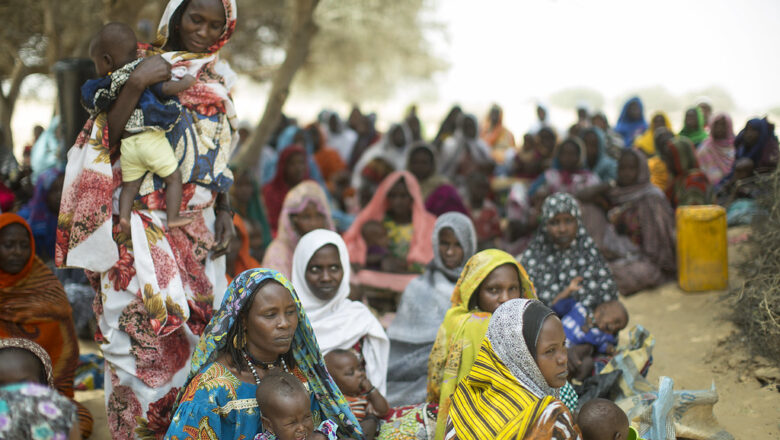
    Vulnerable communities across Chad are now receiving improved climate, meteorological and hydrological services, along with life-saving early warnings, following the successful completion of a six-year project funded by the Climate Risk and Early Warning Systems (CREWS) initiative. The US$3.15 million project, implemented between 2019 and 2025, was designed to strengthen Chad’s national capacity to deliver climate and early warning services in key sectors and high-risk communities. Led by the World Bank’s Global Facility for Disaster Reduction and Recovery (GFDRR), with US$1.5 million implemented by the World Meteorological Organization (WMO), the initiative has laid the foundation for a more integrated, modern and people-centred early warning system in the country. ...
Mozambique Floods Expose Deep Inequality as the Most Vulnerable Continue to Bear the Heaviest Burden

Mozambique Floods Expose Deep Inequality as the Most Vulnerable Continue to Bear the Heaviest Burden

Breaking News
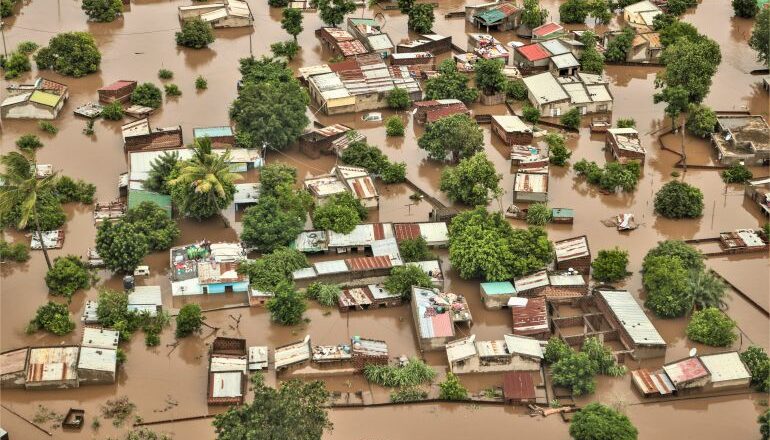
    When devastating floods swept through Mozambique in 2000, the story of a baby born in a tree as her mother clung to branches above the rising Limpopo River captured international attention. The child, later nicknamed Rosita by the press, became a symbol of hope and resilience in the face of disaster. But her life, which began amid catastrophe, ended quietly on 12 January 2026. Rosita reportedly died of anaemia at a provincial health centre, a condition that could have been treated within a stronger and better-resourced health system. Her death coincided with yet another wave of severe flooding in southern Mozambique, underscoring the country’s persistent vulnerability. In late January 2026, weeks of heavy rainfall submerged large parts of southern Mozambique, affe...
Why Disasters Continue to Cause Devastation Despite Early Warnings: Systems Are Designed to Wait for Certainty

Why Disasters Continue to Cause Devastation Despite Early Warnings: Systems Are Designed to Wait for Certainty

Breaking News
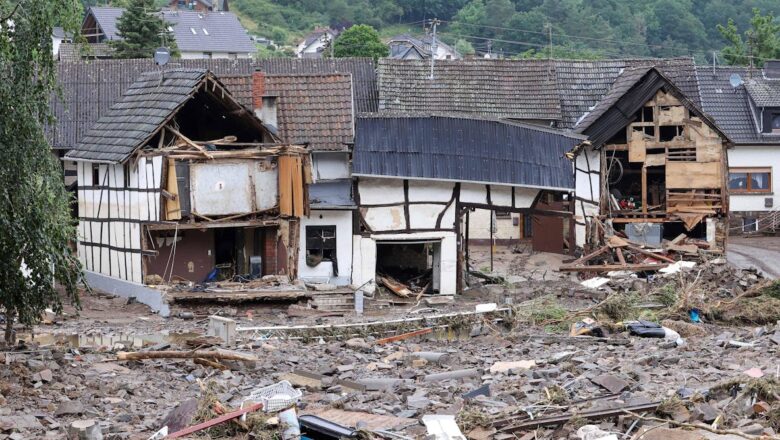
    After major disasters, public debate often frames them as unexpected or unprecedented events. This reaction is not necessarily due to a lack of warnings. Rather, it reflects how societies process shock and how authorities frequently portray disruption as unavoidable instead of the outcome of earlier institutional choices. In reality, extreme weather events are rarely unpredictable. Scientists are often able to identify increased risks of storms, floods, droughts, or other hazards days or even weeks in advance. Yet despite these warnings, destructive outcomes continue to occur. An examination of the catastrophic floods that struck Luxembourg in July 2021, the most damaging disaster in the country’s recorded history, provides insight into why this happens. By recons...
Southeast Asia Urged to Unlock Adaptation Finance as Climate Losses Mount Across Asia

Southeast Asia Urged to Unlock Adaptation Finance as Climate Losses Mount Across Asia

Environment, Idea & Innovations
    Southeast Asia must urgently scale up adaptation financing or risk deepening economic and social losses from intensifying climate shocks, according to a new report by the Institute for Energy Economics and Financial Analysis. The report highlights that while Asia remains one of the regions most vulnerable to climate impacts, adaptation finance continues to lag far behind growing needs. Direct economic losses from climate-related events across Asia averaged 75.7 billion United States dollars annually between 2000 and 2023, accounting for nearly 40 percent of global losses during that period. Despite this, global adaptation finance reached only 65 billion United States dollars in 2023, representing just four percent of total climate finance flows of 1.9 trillion Uni...