Sunday, June 21News That Matters

Month: June 2026

Right Trees Right Places: Study Finds Smart Urban Greening Can Cool Cities by Up to 18°C

Right Trees Right Places: Study Finds Smart Urban Greening Can Cool Cities by Up to 18°C

Breaking News
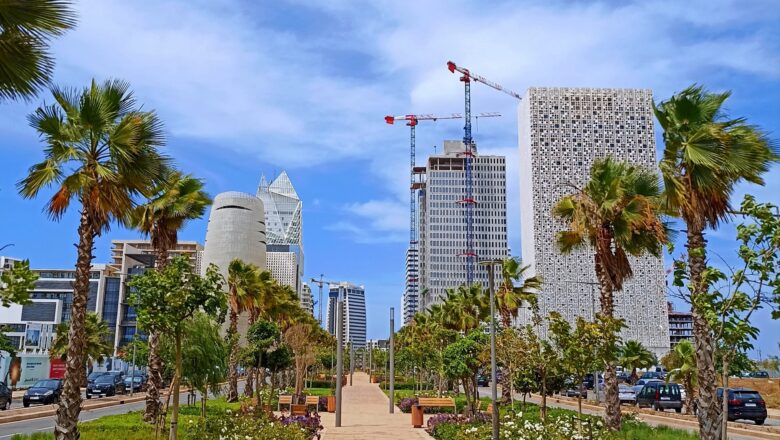
As cities across the world struggle with rising temperatures and more frequent heatwaves, new research has revealed that urban greenery can significantly reduce heat stress but only when it is planned and designed correctly. The study, published by researchers from the University of Melbourne, found that carefully designed green spaces can lower the heat experienced by people by as much as 18°C in some urban areas. The research examined the impact of different types of vegetation in three cities with contrasting climates Melbourne in Australia, Munich in Germany, and Hong Kong in China. Instead of relying solely on computer simulations, scientists conducted field measurements during summer to understand how people actually experience heat in outdoor spaces. The findings showed that t...
Europe Removes Record 603 River Barriers in 2025 to Restore Ecosystems and Protect Wildlife

Europe Removes Record 603 River Barriers in 2025 to Restore Ecosystems and Protect Wildlife

Breaking News
Europe achieved a record breaking milestone in river restoration during 2025 by removing 603 obsolete barriers, including dams, weirs and culverts, helping reconnect thousands of kilometres of waterways and improve habitats for freshwater species. According to the 2025 Dam Removal Europe report, the removals restored more than 3,740 kilometres of free-flowing rivers across the continent, marking the highest number of barrier removals recorded in a single year. Environmental groups and conservation experts describe barrier removal as one of the most effective ways to restore river ecosystems. Many old structures no longer serve their original purpose but continue to disrupt water flow, block fish migration routes and damage freshwater habitats. Among the most significant projects w...
National Zoological Park Launches Swachhata Pakhwada 2026 to Promote Cleanliness and Environmental Awareness

National Zoological Park Launches Swachhata Pakhwada 2026 to Promote Cleanliness and Environmental Awareness

Breaking News
New Delhi: The National Zoological Park (NZP) in New Delhi has launched Swachhata Pakhwada 2026, a 15-day cleanliness and environmental awareness campaign aimed at promoting sustainable lifestyles, environmental stewardship, and public participation in conservation efforts. The programme began on June 1 and will continue until June 15, aligning with the objectives of the Swachh Bharat Mission and Mission LiFE (Lifestyle for Environment). The initiative was inaugurated with a mass Swachhata Pledge administered to participants, followed by an orientation session outlining the activities planned during the fortnight. Students Participate in Environmental Awareness Activities As part of the opening day events, the zoo organised a painting and poster making competition on the theme “Po...
Flood Resilient Infrastructure Key to Protecting Communities From Climate Disasters

Flood Resilient Infrastructure Key to Protecting Communities From Climate Disasters

Breaking News
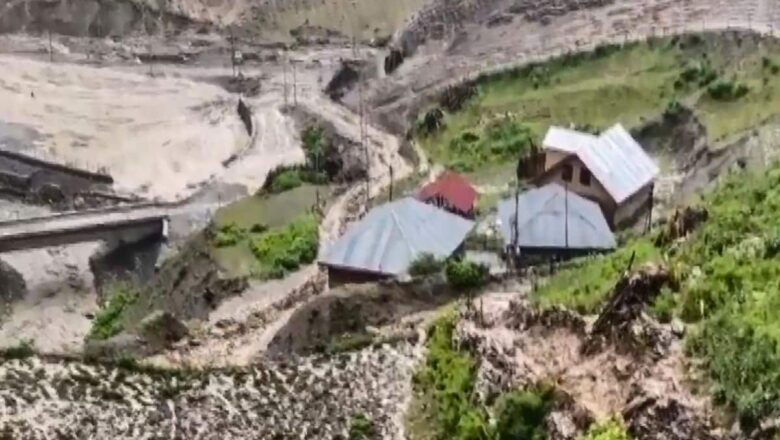
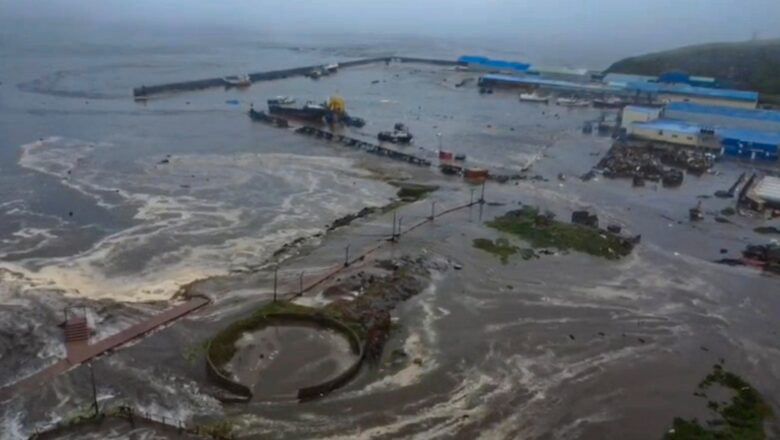
As climate change intensifies floods and other extreme weather events, experts are urging governments to make flood risk management a central part of infrastructure planning. A new report by the Inter American Development Bank (IDB) highlights that resilient social infrastructure is essential to protect lives and ensure critical public services continue operating during disasters. The report points to recent flooding events in Brazil as a clear example of why resilience is becoming increasingly important. In May 2024, the southern Brazilian state of Rio Grande do Sul experienced its worst flooding in eight decades, affecting more than 1.4 million people and forcing nearly 600,000 residents from their homes. In Porto Alegre, the state capital, water levels in the Guaíba River reached the...
Africa Still Unprepared for Future Pandemics Despite Lessons From Ebola and Covid

Africa Still Unprepared for Future Pandemics Despite Lessons From Ebola and Covid

Breaking News
A decade after the devastating Ebola outbreak exposed major weaknesses in global health systems and six years after Covid-19 disrupted the world, Africa and many other regions remain dangerously underprepared for the next pandemic, according to a new report and expert analysis. The warning comes from a report titled A World on the Edge: Priorities for a Pandemic Resilient Future released by the World Health Organization's Global Preparedness Monitoring Board (GPMB). The report highlights that investments in pandemic preparedness have failed to keep pace with growing global health threats. The findings gained added significance as a new Ebola outbreak emerged in the Democratic Republic of Congo in May 2026. The World Health Organization declared the outbreak a Public Health Emergency ...
Southwest Monsoon Set to Reach Kerala on June 4, IMD Alert

Southwest Monsoon Set to Reach Kerala on June 4, IMD Alert

Breaking News
New Delhi: The southwest monsoon is expected to arrive over Kerala on June 4, 2026, after a brief delay, according to the India Meteorological Department (IMD). The onset will mark the official beginning of India's annual rainy season, which is crucial for agriculture, water resources and the overall economy. The IMD has forecast widespread rainfall activity across southern India over the coming week, with Kerala likely to experience the heaviest impact as the monsoon advances into the region. Several parts of Kerala are expected to receive heavy to very heavy rainfall over the next six to seven days. Rainfall amounts between 7 centimetres and 20 centimetres have been predicted at isolated locations, prompting authorities to closely monitor weather conditions and preparedness measure...
Great Pacific Garbage Patch Becoming a New Marine Habitat, Scientists Warn

Great Pacific Garbage Patch Becoming a New Marine Habitat, Scientists Warn

Climate Actions, Environment, Idea & Innovations
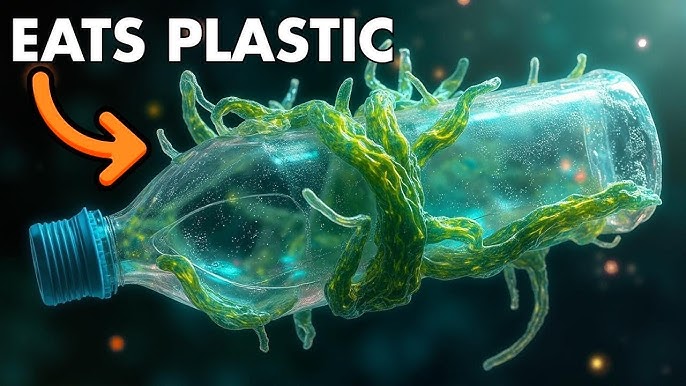
The Great Pacific Garbage Patch (GPGP) the world largest accumulation of ocean plastic, is no longer just a symbol of pollution scientists say it is now hosting entire communities of marine life, raising new concerns about how plastic waste is reshaping ocean ecosystems. Located between California and Hawaii, the Great Pacific Garbage Patch covers an area estimated to be twice the size of Texas and contains around 100,000 tons of floating plastic. According to environmental researchers, more than 1.8 trillion pieces of plastic are trapped within this vast zone of ocean debris. The garbage patch forms in the North Pacific Subtropical Gyre, a system of rotating ocean currents that naturally gathers floating waste. Each year, millions of tons of plastic enter the world's oceans through ...
Delhi Loses Nearly Half Its Green Cover as Heat Stress Spreads Across City: CSE Report

Delhi Loses Nearly Half Its Green Cover as Heat Stress Spreads Across City: CSE Report

Climate Actions, Environment
New Delhi: Delhi has lost nearly half of its green cover over the last decade, while heat stress has expanded across almost the entire city, according to a new report by the Centre for Science and Environment (CSE). The findings highlight how rapid urbanisation, shrinking vegetation, and rising temperatures are making the national capital increasingly vulnerable to extreme heat. The report, Making Delhi Heat Resilient: A Roadmap with the Focus on Vulnerable Groups reveals that Delhi green cover declined from 25.36 percent in 2014 to just 14.14 percent in 2024. During the same period, water bodies also shrank, reducing the city’s natural ability to cool itself. Researchers found that 98.72 percent of Delhi crossed the heat-stress threshold at least once between 2015 and 2024. More tha...
Fish That Defied Evolution: All Female Species Survives 100,000 Years Without Males

Fish That Defied Evolution: All Female Species Survives 100,000 Years Without Males

Breaking News
A small fish living in the rivers of Mexico and southern Texas is challenging one of biology oldest assumptions about survival and evolution. Known as the Amazon molly, this remarkable species has existed for around 100,000 years without producing male offspring, leaving scientists fascinated by how it has managed to avoid extinction. The Amazon molly is an all female fish species that reproduces through a rare process called gynogenesis. Females require sperm from closely related male fish to trigger reproduction but the male DNA is not passed on to the offspring. Instead, the young are essentially clones of their mothers, creating generation after generation of female fish. For decades, scientists believed such species should not survive for long. Traditional evolutionary theory su...
Farms and Forests, Not Diet Changes Hold Key to Climate Action in India, Brazil and Indonesia

Farms and Forests, Not Diet Changes Hold Key to Climate Action in India, Brazil and Indonesia

Breaking News
A new international study has found that India, Brazil and Indonesia can significantly reduce their greenhouse gas emissions by 2050 through better management of forests, farmlands and natural ecosystems, without relying heavily on changes in people's diets or reductions in food production. The research, conducted by scientists from institutions across France, India, Indonesia, Brazil, Austria and Japan, highlights the crucial role of the Agriculture, Forestry and Other Land Use (AFOLU) sector in helping developing countries achieve their climate goals. The findings suggest that transforming land-use practices could become one of the most effective ways for these countries to combat climate change while protecting food security and rural livelihoods. According to the study, India, Br...