
A new furniture collection is giving discarded clothing a second life by transforming textile waste into an artificial stone that can be used in furniture, interior design and architecture. Called Chromaterico Textile Objects, the project demonstrates how unwanted garments and fabric scraps can be converted into durable, high-performance materials instead of ending up in landfills.
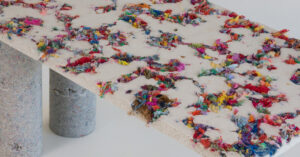
The collection has been developed by designer Davide Balda of Archeomaterico in collaboration with Chroma Composites. At the heart of the project is Textilite, an innovative composite material created from recycled textile waste through a circular production process.
How Textile Waste Becomes Artificial Stone
The process begins with discarded, defective and unsold garments, along with fabric offcuts collected from the textile industry. Instead of being thrown away, these materials are mechanically ground into a mixture of recycled synthetic and natural fibres.
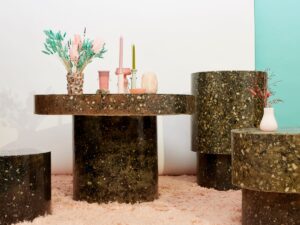
The recycled fibres are then combined with Chroma Composites’ proprietary Mersus composite technology, which strengthens the material and improves its structural and mechanical properties. The result is Textilite, a stone-like material that combines the appearance and durability of artificial stone with the environmental benefits of recycled textiles.
Designed for Circular Manufacturing
The Chromaterico Textile Objects collection showcases how textile waste can be reintroduced into manufacturing rather than being treated as disposable waste. The designers say the project promotes a circular material strategy in which surplus textiles are reused as valuable raw materials close to where they are generated.
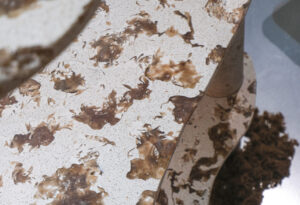
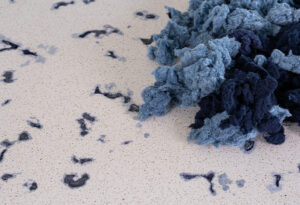
By connecting textile recycling, material development and product manufacturing, the project demonstrates a sustainable production model that reduces waste while creating functional design objects.
Potential Applications Beyond Furniture
Although the collection focuses on furniture and interior products, Textilite has been developed for a much wider range of applications. Its durability and stone like characteristics make it suitable for architecture, interior surfaces and other design projects that require strong and sustainable materials.
The designers believe projects like this can help reduce the environmental impact of the textile industry by creating practical uses for discarded clothing and fabric waste, while encouraging manufacturers to view waste as a reusable resource rather than something destined for disposal.