Saturday, September 26News That Matters

Breaking News

2026 Could Become the Year the World Coral Reefs Cross a Point of No Return, Scientists Warn

2026 Could Become the Year the World Coral Reefs Cross a Point of No Return, Scientists Warn

Breaking News
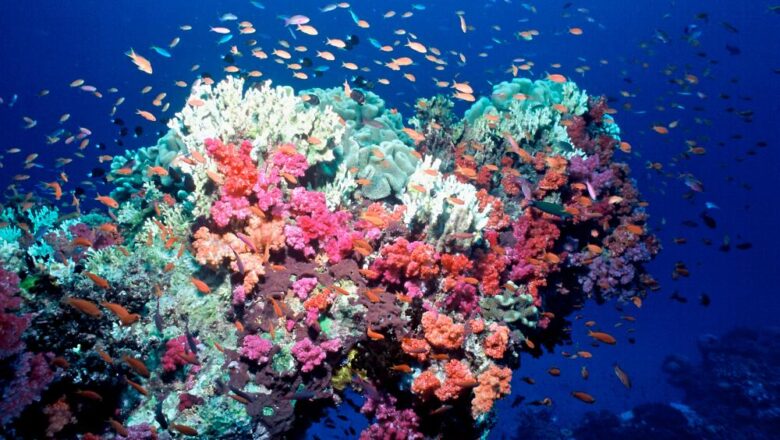
    Coral reefs, among the most biologically rich ecosystems on Earth, may be approaching a critical breaking point, with scientists warning that 2026 could mark a year of irreversible global decline. Despite covering less than one per cent of the ocean floor, tropical coral reefs support nearly a quarter of all marine species, making their survival essential for ocean health and coastal communities worldwide. Over the past few decades, an estimated 30 to 50 per cent of the world’s coral reefs have already been lost. The situation has worsened dramatically following record-breaking ocean heatwaves in 2023 and 2024, which triggered mass coral bleaching across at least 83 countries. As the planet continues to warm, scientists now fear that the next few years, particularly ...

Cold Wave Intensifies in Delhi as Air Quality Remains Poor Across North India

Cold Wave Intensifies in Delhi as Air Quality Remains Poor Across North India

Breaking News
    New Delhi: Delhi continued to remain in the grip of dense fog and cold wave conditions on Tuesday, with air quality staying in the ‘poor’ category for the second consecutive day. The worsening winter conditions prompted airlines to issue advisories, cautioning passengers about possible flight delays due to low visibility. According to data from the Central Pollution Control Board’s Sameer app, the city’s Air Quality Index stood at 286 on Tuesday, slightly higher than Monday’s reading of 244. Out of 40 air quality monitoring stations in the national capital, 19 recorded ‘very poor’ air quality levels. East Delhi’s Anand Vihar emerged as the most polluted area, registering an AQI of 343. The India Meteorological Department said Delhi and large parts of northwest Ind...
Remote Village of Odisha Tribal Woman Farmer Is Quietly Shaping a Sustainable Future

Remote Village of Odisha Tribal Woman Farmer Is Quietly Shaping a Sustainable Future

Breaking News
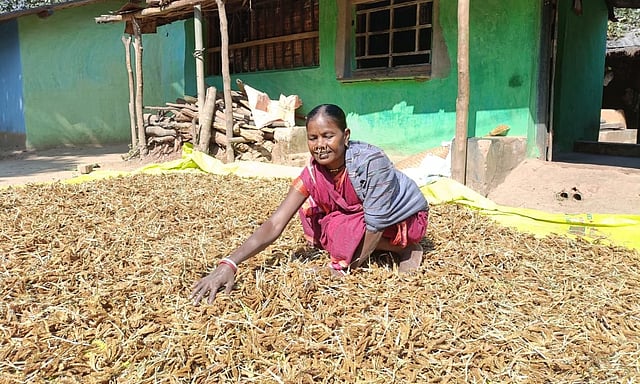
    In the quiet village of Jhalaguda, tucked inside the Gundal Gram Panchayat of Odisha’s Kundra block, Rukmani Khilo begins her day much like generations before her. Yet, her work today goes far beyond subsistence farming. A member of the Paraja tribal community, Rukmani has emerged as a powerful symbol of sustainable agriculture, seed conservation, and women-led rural transformation in one of the state’s most marginalised regions. Her journey reflects how traditional knowledge, when supported by scientific training and collective institutions, can create resilient livelihoods. Rukmani’s turning point came in 2019, when she joined the Board of Directors of Bamandei Farmer Producer Company Limited, promoted by the MS Swaminathan Research Foundation in Jeypore. Through t...
Plants Are Absorbing Less Carbon Dioxide Than Scientists Once Believed, New Study Warns

Plants Are Absorbing Less Carbon Dioxide Than Scientists Once Believed, New Study Warns

Breaking News
    Earth’s plants may not be the climate saviours scientists once hoped for. New research has revealed that vegetation across the planet is absorbing significantly less carbon dioxide than climate models have predicted for years, raising fresh concerns about the world’s ability to slow global warming naturally. For a long time, scientists believed that rising carbon dioxide levels in the atmosphere could stimulate faster plant growth, allowing forests and other ecosystems to absorb more carbon and partially offset climate change. However, this benefit depends heavily on the availability of nitrogen, a critical nutrient that plants need to grow. The latest findings show that the natural supply of nitrogen has been seriously overestimated. The study, involving research...
Rethinking Wildlife Conservation in India: Why Fishing Cats Need Protection Beyond Forest Reserves

Rethinking Wildlife Conservation in India: Why Fishing Cats Need Protection Beyond Forest Reserves

Breaking News
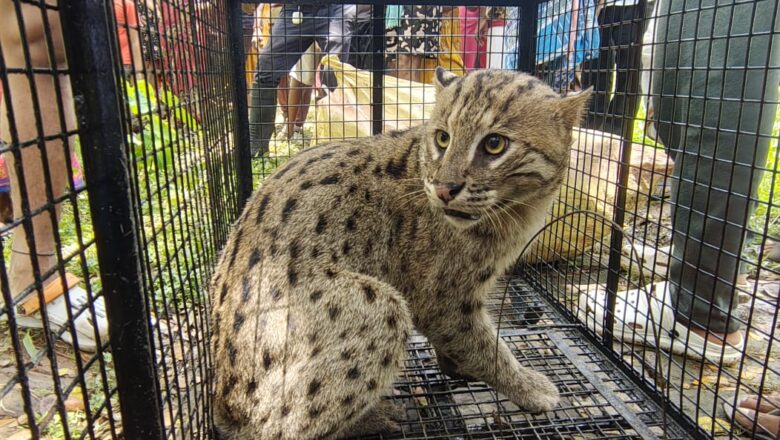
    Early one morning in the Terai region of Uttar Pradesh, forest officials rushed to a village after receiving a familiar distress call. A “leopard cub” had reportedly been trapped inside a cage placed near agricultural fields. Such alerts are common in this landscape, where large carnivores often move through sugarcane farms and villages. But when officials arrived, they discovered the animal inside the cage was not a leopard cub at all. It was a fishing cat. Surrounded by frightened villagers, the small wild cat had been force-fed pieces of sugarcane by people who believed they were dealing with a dangerous predator. The animal’s spotted coat and proximity to homes had fuelled panic. Forest staff intervened, rescued the fishing cat and released it into a nearby fores...
More Than a Quarter of Species in the World’s Richest Ecosystems Are Being Lost to Farming

More Than a Quarter of Species in the World’s Richest Ecosystems Are Being Lost to Farming

Breaking News
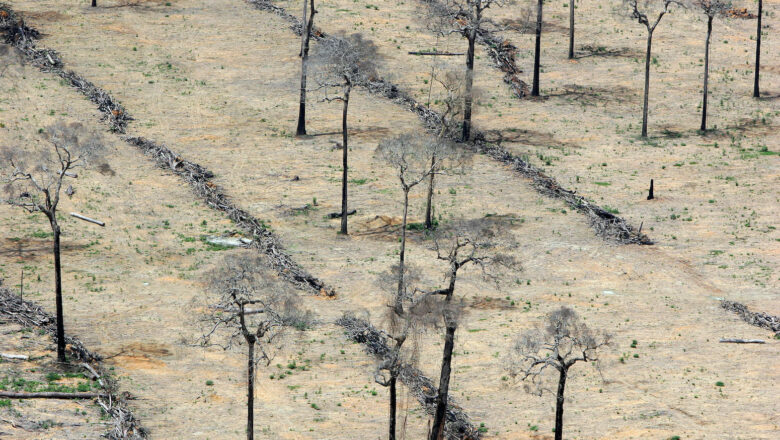
    Agricultural expansion is driving a sharp decline in wildlife across the world’s most biologically rich ecosystems, with more than 26 per cent of species disappearing from biodiversity hotspots, according to a new global study. The findings highlight how rising food production is coming at a severe ecological cost, particularly in regions that harbour rare and endemic species found nowhere else on Earth. The study, published on December 26, 2025 in the journal Communications Earth & Environment was led by researchers from the Chinese Academy of Sciences and China Agricultural University, in collaboration with scientists from the University of Cambridge, the University of Maryland and the University of Oklahoma. It offers one of the most comprehensive assessments ...
Fourteen Global Trends That Are Set to Shape the World’s Climate Trajectory in 2026

Fourteen Global Trends That Are Set to Shape the World’s Climate Trajectory in 2026

Breaking News
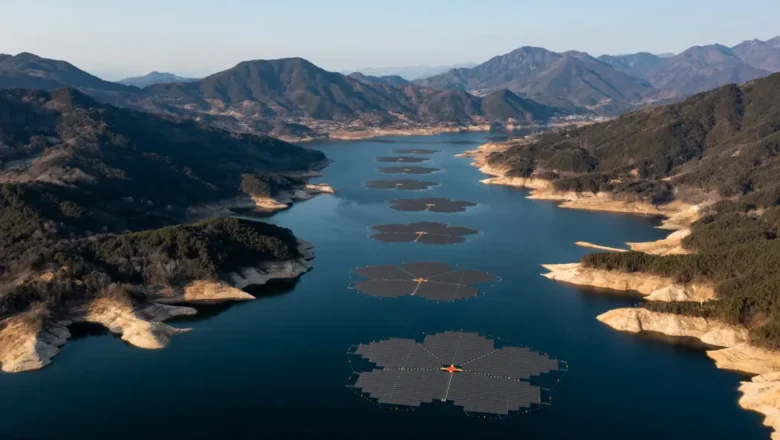
    As the world enters the latter half of a decisive decade for climate action, scientists warn that the window to prevent the most damaging impacts of global warming is rapidly narrowing. To keep global temperature rise within 1.5 degrees Celsius, carbon emissions must be cut nearly in half by 2030. Yet as 2026 begins, the world remains dangerously off track, with the risk of further backsliding growing even as some unexpected pockets of progress emerge. Across major economies, climate action is increasingly shaped by political, economic and technological crosscurrents. In the United States, President Donald Trump’s renewed push to roll back climate regulations and revive fossil fuel production has created fresh uncertainty for renewable energy. At the same time, soari...
Biodiversity in the Uk Continues to Decline 2025 Indicators Show, Though Some Signs of Emergency Alert

Biodiversity in the Uk Continues to Decline 2025 Indicators Show, Though Some Signs of Emergency Alert

Breaking News
    The health of the United Kingdom ecosystems continues to worsen or remain unchanged, rather than improve, according to the latest biodiversity indicators released for 2025. The findings raise fresh concerns about the long-term future of wildlife across the country, even as scientists point to small signs that some declines may be slowing. The biodiversity indicators, produced annually since 2007, measure the UK progress towards national and international conservation targets. They track long-term and short-term trends in animal and plant species, habitat condition and pressures on nature. This year’s report has been published by the Joint Nature Conservation Committee in collaboration with the Department for the Environment, Food and Rural Affairs. Scientists from...
Trekking and Hiking Banned for Two Months in South Kashmir Key Mountain Passes

Trekking and Hiking Banned for Two Months in South Kashmir Key Mountain Passes

Breaking News
    The South Kashmir administration has imposed a two-month ban on trekking, hiking, camping and similar outdoor activities in several high-altitude mountain passes of the Pir Panjal range, citing public safety and security concerns. The prohibition applies to Margan Top, Chuharnag and Sinthan Top, all of which are popular trekking destinations in the region. The decision comes shortly after a similar restriction was enforced in North Kashmir, where trekking was banned in the Danwass forests of Tangmarg near the Gulmarg tourist resort. While official orders mention general security concerns, sources said the South Kashmir ban is linked to a large-scale anti-militancy operation currently underway in the Pir Panjal mountains. According to security officials, the Army h...
Scientists Develop Nature Inspired Plastic That Can Be Programmed to Break Down Pollution

Scientists Develop Nature Inspired Plastic That Can Be Programmed to Break Down Pollution

Breaking News
    A team of scientists at Rutgers University has developed a new type of plastic that remains strong during use but can be designed to break down naturally after a set period, potentially offering a powerful solution to the global plastic pollution crisis. The research, inspired by the way DNA and proteins degrade in nature, could change how plastics are made, used and discarded. The idea was sparked during a hike. Yuwei Gu, a chemist at Rutgers University, was walking through Bear Mountain State Park in New York when he noticed plastic bottles scattered along the trail and floating in a nearby lake. The sight of synthetic waste persisting in a natural environment prompted him to reflect on a long-standing scientific puzzle: why natural polymers like DNA and proteins b...