Thursday, February 26News That Matters

Breaking News

Delhi NCR Faces Dense Morning Fog as IMD Issues Yellow Alert, Light Rain Likely Later This Week

Delhi NCR Faces Dense Morning Fog as IMD Issues Yellow Alert, Light Rain Likely Later This Week

Breaking News
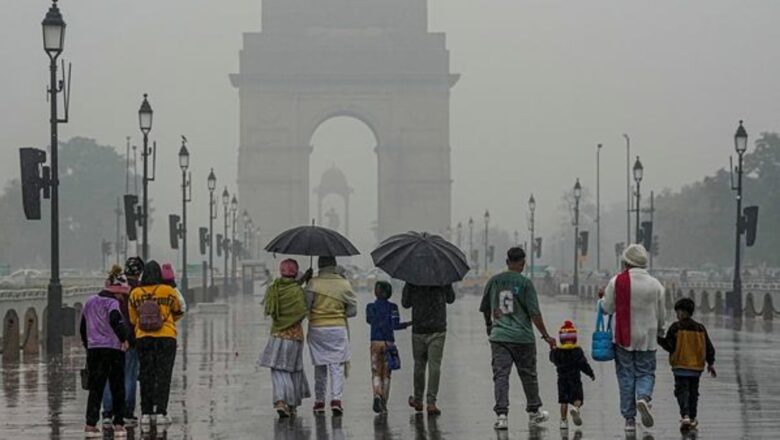
    The Delhi National Capital Region continued to experience winter weather conditions on January 21, 2026, as the India Meteorological Department issued a Yellow Alert for shallow to moderate fog during early morning hours. The advisory warns of reduced visibility across parts of Delhi, Noida, Ghaziabad, Gurugram and Faridabad, particularly during morning commute hours, while daytime conditions are expected to remain partly cloudy and largely stable. According to IMD forecasts, minimum temperatures in the region hovered between 7 and 9 degrees Celsius, while maximum temperatures are likely to reach 22 to 24 degrees Celsius. Light winds of 5 to 10 kilometres per hour are supporting fog formation during early hours, with visibility dropping to 200–500 metres in isolated ...
Exploding Tree Risk Issued for Michigan, Minnesota as Arctic Cold Deepens

Exploding Tree Risk Issued for Michigan, Minnesota as Arctic Cold Deepens

Breaking News
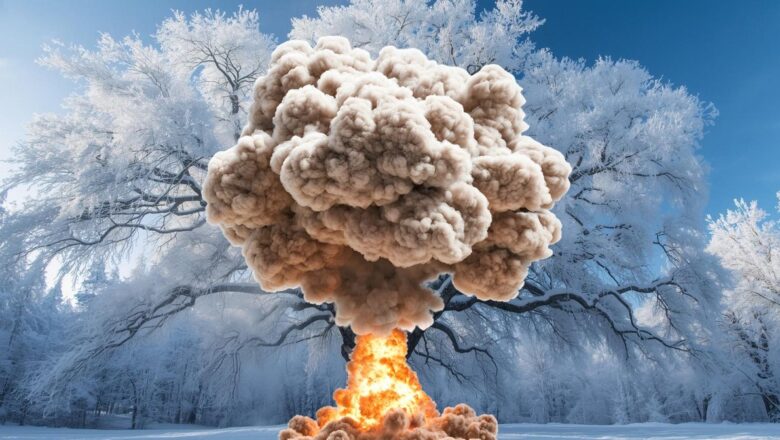
    An intense Arctic air mass sweeping across large parts of the United States has triggered warnings of an unusual winter hazard “exploding trees” in states including Michigan and Minnesota, as temperatures plunge well below freezing. According to forecasts, maximum temperatures on Friday and Saturday are expected to stay in the single digits, while morning lows through the weekend could drop at least 10°F below zero, accompanied by dangerous wind chills. The National Weather Service has warned that the extreme cold could also lead to hazardous travel, power outages and burst water pipes. Meteorologist Max Velocity issued an “exploding tree” risk alert for much of Michigan, including the Upper Peninsula and parts of the Lower Peninsula, as well as across Minnesota a...
India’s Environmental Protection Fund Raises Fears That Pollution May Become a Source of Revenue for Regulators

India’s Environmental Protection Fund Raises Fears That Pollution May Become a Source of Revenue for Regulators

Breaking News
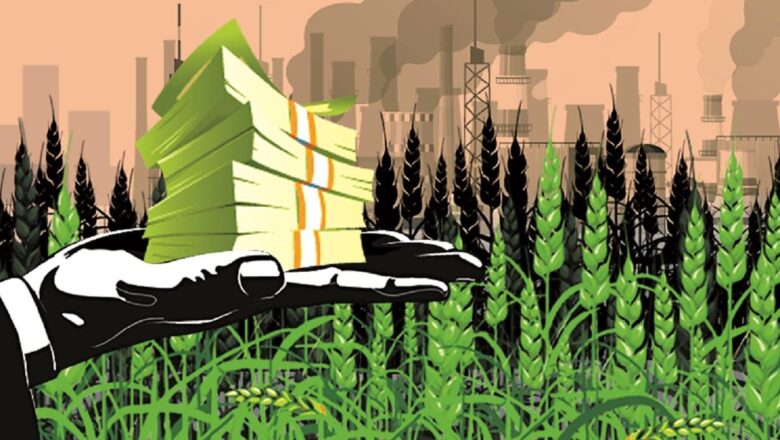
    India’s environmental governance framework has entered a new phase with the notification of the Environmental (Protection) Fund Rules, 2026. While the move is officially aimed at strengthening enforcement and remediation, critics warn that the structure of the fund risks creating a perverse incentive system where environmental damage, rather than prevention, becomes the financial backbone of regulation. Notified by the Union Ministry of Environment, Forest and Climate Change on January 15, 2026, and published in the Gazette of India, the rules operationalise a long-unused provision of the Environment (Protection) Act, 1986. For the first time, penalties collected for environmental violations will flow into a centrally structured fund, with parallel mechanisms at the ...
30 Million Indian Cattle Rearing Households Do Not Sell Milk: CEEW Study

30 Million Indian Cattle Rearing Households Do Not Sell Milk: CEEW Study

Breaking News
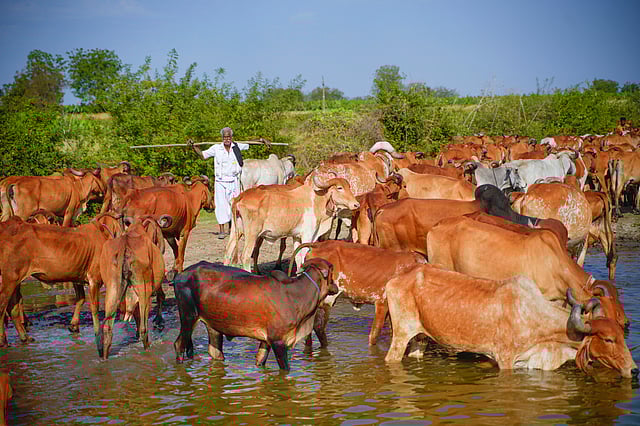
    More than a third of India’s cattle-rearing households do not sell milk, instead prioritising non-market uses such as dung, draught power and income from selling animals, according to a new study by the Council on Energy, Environment and Water (CEEW). The findings challenge the long-held assumption that milk production is the primary motivation for keeping cattle across rural India. Released on January 20, 2026, the study estimates that nearly 38 per cent of cattle rearers, around 30 million households, do not participate in milk sales. While 31 per cent of these households rear cattle mainly for family milk consumption, the remaining 5.6 million households keep bovines entirely for purposes unrelated to either selling or consuming milk. Non-dairy cattle rearing s...
Pakistan Urges Global Recognition of Water Insecurity as Systemic Risk, Criticises India Over Indus Treaty Suspension

Pakistan Urges Global Recognition of Water Insecurity as Systemic Risk, Criticises India Over Indus Treaty Suspension

Breaking News
    Pakistan has called on the international community to recognise water insecurity as a systemic global risk, warning that disruptions in shared river basins threaten food security, livelihoods and regional stability. The appeal was made amid rising tensions with India following New Delhi’s unilateral decision to place the Indus Waters Treaty in abeyance. Speaking at a United Nations policy roundtable on global water stress, Pakistan’s Acting Permanent Representative to the UN, Ambassador Usman Jadoon, said water insecurity is no longer a local or regional concern but a global challenge affecting food production, energy systems, public health and human security across regions. “For Pakistan, this is a lived reality,” Jadoon said, describing the country as a climate-...
Replanted Rainforests Struggle to Recover Decades After Logging, Study Finds

Replanted Rainforests Struggle to Recover Decades After Logging, Study Finds

Breaking News
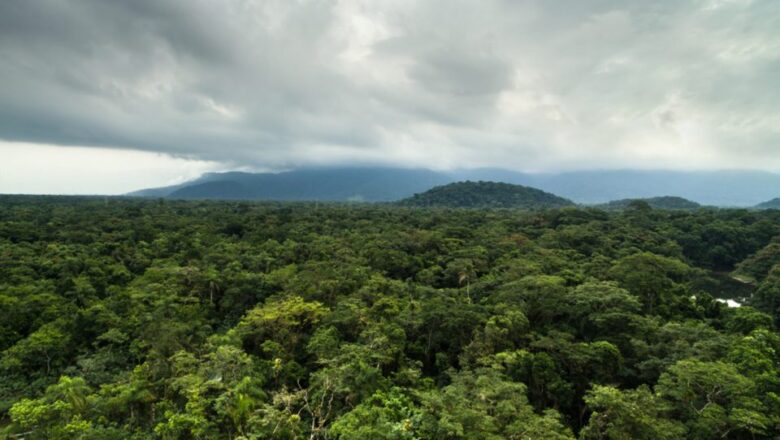
Replanting tropical rainforests after logging may appear to be a straightforward solution to environmental damage, but new scientific research suggests recovery is far more complex and uncertain than previously believed. A long-term study conducted in the rainforests of Malaysian Borneo shows that even decades after logging, replanted forests struggle to support the survival of young trees when compared to untouched natural forests. The research was carried out by scientists from the University of Exeter, ETH Zürich, the Smithsonian Tropical Research Institute, and the United Kingdom Centre for Ecology and Hydrology. Over an 18-month period, the team tracked the survival of 5,119 seedlings across different forest conditions in northern Borneo, including pristine forests, naturally regen...
CSR Is the Missing Fuel Behind India’s Biochar Revolution

CSR Is the Missing Fuel Behind India’s Biochar Revolution

Breaking News
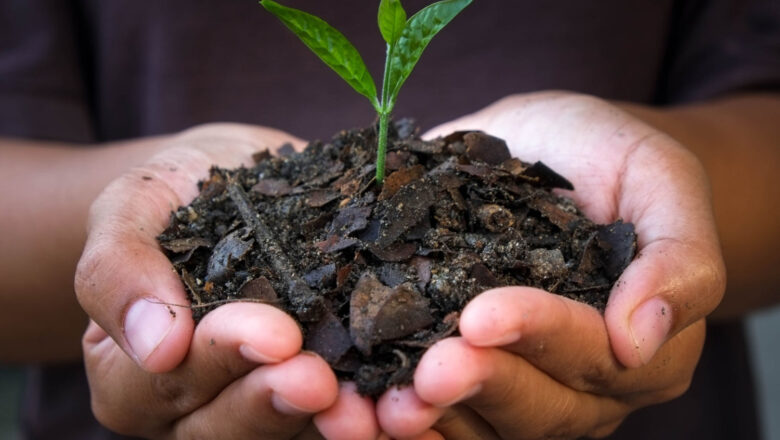
    Every winter in north India, the cycle repeats itself with grim predictability. Crop fields are set on fire, villages disappear under smoke, and children breathe air thick with pollutants. Farmers are often blamed, but the reality is more complex. Stubble burning is not an act of neglect; it is an act of necessity. Clearing fields quickly and cheaply between harvests leaves farmers with few viable alternatives. Agricultural biomass pyrolysis offers a different pathway, one where residue becomes a resource rather than a hazard. Yet, for this alternative to move beyond promise, it needs a central pillar of support: sustained and purposeful corporate social responsibility funding. For small and marginal farmers, time and money are always in short supply. Decisions ar...
How the Movement of Earth’s Surface Shapes Climate More Than Scientists Once Realised

How the Movement of Earth’s Surface Shapes Climate More Than Scientists Once Realised

Breaking News
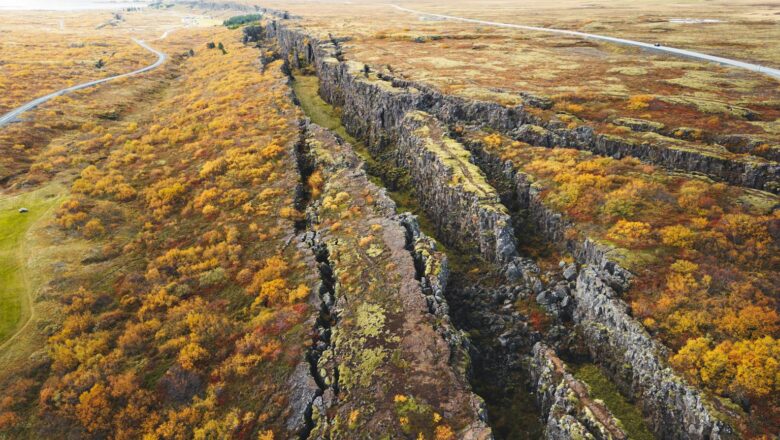
    Earth’s climate has never been static. Over hundreds of millions of years, the planet has shifted repeatedly between cold “icehouse” phases and much warmer “greenhouse” states. Scientists have long known that atmospheric carbon dioxide plays a central role in driving these swings. What has been less clear is where that carbon comes from and how it moves through Earth’s systems over deep geological time. New research now shows that the movement of Earth’s tectonic plates has had a far greater influence on long-term climate change than previously understood. The study reveals that carbon is not released only where tectonic plates collide, but also where they slowly pull apart, fundamentally reshaping our understanding of Earth’s carbon cycle. Published in the journa...
National Park Created to Protect Sumatran Tigers Is Rapidly Losing Its Forest Cover

National Park Created to Protect Sumatran Tigers Is Rapidly Losing Its Forest Cover

Breaking News
    A national park in Indonesia that was established to safeguard some of the world’s rarest wildlife has lost more than half of its forest in just two decades. New research tracking changes over time shows that the destruction did not happen overnight or through a single dramatic event. Instead, it spread quietly from the edges inward, steadily hollowing out the park’s core. The study focuses on Tesso Nilo National Park in Riau province on the island of Sumatra, a protected area created in 2004 to conserve lowland rainforest and provide habitat for critically endangered Sumatran tigers and elephants. Despite its legal status, satellite images and field observations reveal that forest loss has continued almost uninterrupted, raising serious concerns about how protected ...
Narmada River Flows Westward Against India Eastward River Pattern, Explained by Ancient Geology

Narmada River Flows Westward Against India Eastward River Pattern, Explained by Ancient Geology

Breaking News
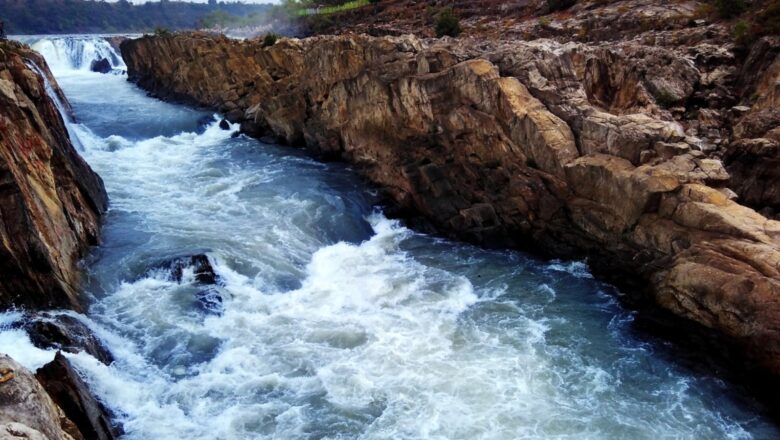
    Most Indian rivers follow a familiar eastward route, flowing toward the Bay of Bengal from the Himalayas or central highlands. The Narmada River stands out as a rare exception. Flowing westward across the subcontinent, it challenges long-held geography lessons and highlights how ancient land formations continue to shape India’s natural systems. Often described as a river that flows “backwards,” the Narmada simply follows the natural slope of the land. Stretching about 1,310 kilometres, it is India’s fifth-longest river and one of the very few major rivers, along with the Tapi, that empties into the Arabian Sea instead of the Bay of Bengal. Geological forces that shaped the Narmada’s westward journey The Narmada originates at Amarkantak in Madhya Pradesh, a fore...