Thursday, May 7News That Matters

Breaking News

Climate Change Threatens Mediterranean Fisheries With 41% Drop in River Flow

Climate Change Threatens Mediterranean Fisheries With 41% Drop in River Flow

Breaking News, Climate Actions, Environment
A new study by European scientists warns that freshwater flowing through rivers into the Mediterranean Sea could decline by as much as 41% due to climate change. The research, published on February 3, 2025, outlines a worst-case scenario in which global temperatures rise by 4°C above pre-industrial levels, drastically altering coastal ecosystems and threatening the region’s fisheries. The decrease in river flow would reduce freshwater and nutrient inputs, leading to lower primary productivity in the Mediterranean’s marine ecosystem. This would have cascading effects on the food chain, ultimately impacting commercially valuable seafood species. "The results show that 41% less river flow could slash marine productivity by 10% and fish biomass by 6% in the Mediterranean, leading to annu...
Megadroughts Expanding Globally as Climate Warms, New Study Finds

Megadroughts Expanding Globally as Climate Warms, New Study Finds

Breaking News, Climate Actions, Disasters, Environment
A groundbreaking study published in Science has revealed that megadroughts severe, long-lasting dry spells have been increasing in size, duration, and intensity over the past four decades. Researchers found that the total land area affected by multiyear droughts has expanded by 50,000 square kilometers (12 million acres) annually, signaling an alarming trend driven by climate change. A Comprehensive Global Drought Catalog For the first time, scientists have compiled a global catalog of long-term drought events since 1980, assessing their effects on vegetation and ranking their severity. The research, led by Liangzhi Chen of the Swiss Federal Institute for Forest, Snow, and Landscape Research WSL, identified 13,176 individual droughts lasting longer than two years between 1980 and 201...
Canada over 540,000 New Homes Built in flood-prone Areas to Tackle climate risks

Canada over 540,000 New Homes Built in flood-prone Areas to Tackle climate risks

Breaking News, Climate Actions, Learning & Developments
A groundbreaking report highlights how Canada can tackle its housing needs while avoiding catastrophic climate risks. It’s the first study in the country to quantify the economic damage of building homes in flood and wildfire-prone areas, urging a shift away from hazard zones to save billions and protect communities. The analysis warns that by 2030, over 540,000 new homes could be built in flood-prone areas, leading to $2 billion in annual damages. The financial burden will hit Manitoba and the Yukon hardest, with each new home in high-risk zones adding $1,200 per year in extra costs. The report calls for urgent action, recommending that housing developments be placed in safer areas. By planning smarter, Canada can prevent escalating disaster costs while ensuring its citizens have se...
Climate Crisis hits African Mountains Harder than Expected

Climate Crisis hits African Mountains Harder than Expected

Breaking News, Climate Actions, Environment, Learning & Developments
A new study from the University of York reveals that climate change is impacting mountain communities in equatorial Africa far more severely than previously thought, demanding urgent adaptation measures. Researchers interviewed 1,500 smallholder farmers across ten mountain regions in eight countries including Kenya, Ethiopia, Uganda, and Rwanda and found widespread reports of rising temperatures, declining rainfall, increased extreme weather, and unpredictable seasons. These shifts are disrupting agriculture, reducing crop yields, and worsening food security for millions. Communities are adapting by changing farming methods, diversifying livelihoods, and improving water and soil management, but responses vary significantly across regions. Experts stress that a one-size-fits-all appro...
Winter Chill to Deepen in Delhi-NCR as IMD Predicts Rain and Fog Across North India

Winter Chill to Deepen in Delhi-NCR as IMD Predicts Rain and Fog Across North India

Breaking News, Environment, Opinions
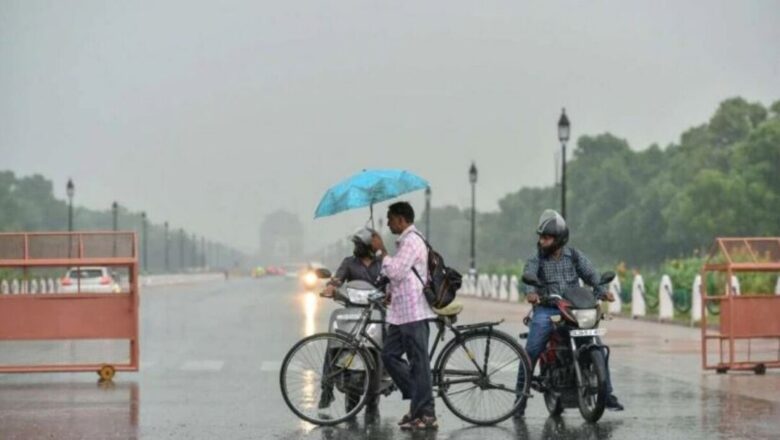
The winter cold is set to tighten its grip over Delhi-NCR, with temperatures expected to drop further in the coming days, according to the India Meteorological Department (IMD). Chilly northern winds are making a comeback, keeping daytime and nighttime temperatures low. Meanwhile, several states, including Uttar Pradesh, Bihar, and Rajasthan, are on alert for rain and dense fog, which could further impact visibility and travel conditions. On Wednesday, northern states enjoyed bright sunshine, but the persistent chill in the air ensured that winter conditions remained. However, the weather is expected to fluctuate, with cloudy spells and occasional temperature rises in the coming days. Thick Fog Set to Cover Delhi & Uttar Pradesh IMD forecasts that Delhi and Uttar Pradesh will ...
Study Warns World Cup 2026 Stadiums Face Extreme Heat Risk

Study Warns World Cup 2026 Stadiums Face Extreme Heat Risk

Breaking News, Climate Actions, Disasters, Environment
A new study has raised serious concerns about the impact of extreme heat on the 2026 FIFA World Cup, warning that nearly 90 percent of the tournament’s stadiums could face dangerous temperatures. Researchers found that 14 of the 16 host venues across the United States, Canada, and Mexico are at risk of exceeding critical heat stress levels, potentially affecting players, officials, and spectators. The research, conducted by Brunel University London, Queen’s University Belfast, and other institutions, analyzed 20 years of weather data and found that heat stress levels could surpass the 28°C threshold set by governing bodies as unsafe for play. If the summer of 2026 is hotter than average, as climate trends suggest, at least nine stadiums could see these extreme conditions for half the to...
Los Angeles Fires Leave Lasting Impact on Health, Environment, and Community

Los Angeles Fires Leave Lasting Impact on Health, Environment, and Community

Breaking News, Climate Actions, Environment, Fact Check
The flames may have died down, but the aftermath of Los Angeles’ devastating wildfires continues to affect public health, the environment, and daily life. Experts at a recent UCLA Fielding School of Public Health event warned that the city is facing an epochal disaster that has transformed air, soil, and institutions. Air Quality and Health Risks Even miles away from the burn zones, smoke and toxic particles have impacted the air. PM2.5 fine particulate matter from wildfires can lodge deep in the lungs, causing heart and respiratory issues, said Yifang Zhu, a professor of environmental health sciences. Even when air looks clear, volatile organic compounds (VOCs) may linger, making exposure dangerous. Michael Jerrett, an expert in climate and public health, highlighted the severe h...
January Breaks Heat Record Despite La Niña, Cooling Predictions

January Breaks Heat Record Despite La Niña, Cooling Predictions

Breaking News, Climate Actions, Disasters, Environment
The world witnessed yet another record-breaking warm month in January 2025, defying expectations of a cooler year due to a developing La Niña and a frigid winter in the United States, according to data from the European climate service Copernicus. Unprecedented January Heat Copernicus reported that January 2025 was 0.09°C hotter than January 2024, the previous warmest January on record, and 1.75°C above pre-industrial levels. This marks the 18th month out of the last 19 that global temperatures have touched or exceeded the 1.5°C warming limit set by international climate agreements. Despite La Niña’s typical cooling influence, global temperatures have not dropped as expected, raising concerns among climate scientists. Scientists Warn of Accelerating Global Warming A new stud...
Public Investment in Climate Finance & Care Services Essential for Adaptation

Public Investment in Climate Finance & Care Services Essential for Adaptation

Breaking News, Climate Actions, Fact Check
Climate finance plays a crucial role in addressing climate change, but one often-overlooked sector is care services the work of caring for people, both paid and unpaid, largely performed by women. As climate change intensifies, caregiving demands rise, yet infrastructure and resources remain inadequate. Why Care Services Matter in Climate Adaptation Extreme heat, floods, wildfires, and storms disproportionately impact vulnerable groups like young children and the elderly, increasing the need for healthcare, childcare, and elder care. However, most disaster preparedness plans fail to prioritize care services, leaving caregivers especially in urban informal settlements struggling with limited access to clean water, energy, and healthcare. Despite the growing urgency, climate finance...
Earthquake Hotspots: Why Suburban Areas Face Greater Devastation

Earthquake Hotspots: Why Suburban Areas Face Greater Devastation

Breaking News, Climate Actions, Disasters, Environment
A vast majority of earthquakes occur within the infamous Ring of Fire, a seismic hotspot encircling the Pacific Ocean. Yet, when these earthquakes strike, the areas that experience the most intense shaking aren’t always the ones that suffer the worst destruction. Recent research has uncovered a hidden factor contributing to earthquake devastation: migration patterns and housing vulnerabilities. The 1999 Chi-Chi Earthquake: A Case Study Taiwan’s catastrophic Chi-Chi earthquake in 1999, which claimed over 2,400 lives, presented an unexpected pattern of destruction. Contrary to expectations, the worst damage was not in the bustling city centers but in the suburbs and outer regions. Similar trends have been observed in earthquakes that hit China, Chile, and Nepal, raising questions about...