Thursday, September 17News That Matters

Breaking News

More Trees Can Mean Fewer Birds, New Study Warns

More Trees Can Mean Fewer Birds, New Study Warns

Breaking News
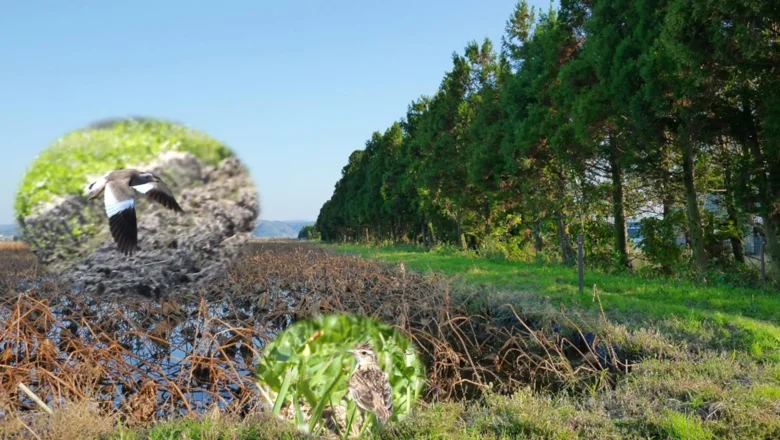
Tokyo: Planting more trees is often seen as a positive step for nature, but a new study from Japan suggests that tree planting projects can sometimes harm certain bird species, especially those that depend on open grasslands and wetlands. Researchers from Hiroshima University found that shelterbelts rows of trees planted along farmland to protect crops from strong winds create both winners and losers in bird populations. While some birds benefit from the additional trees, others suffer significant declines. The study, published in the Journal of Environmental Management focused on agricultural wetlands around Lake Kahokugata in central Japan, an area known for its rice paddies and importance as a stopover site for migratory birds. Scientists surveyed bird populations during differ...

Antarctica First Plant Extinction Risk Assessment Flags Rare Moss as Endangered

Antarctica First Plant Extinction Risk Assessment Flags Rare Moss as Endangered

Breaking News, Environment
For the first time scientists have assessed the extinction risk of a plant species in Antarctica and found that a rare moss Roaldia revoluta is regionally endangered, highlighting growing concerns about the vulnerability of the continent’s unique vegetation. Although Antarctica is often viewed as a frozen wilderness, small ice-free areas support a surprising variety of plant life. The continent is home to two native flowering plant species more than 100 moss species as well as numerous liverworts and lichens. Despite their ecological importance, none of these plants had previously undergone a formal extinction risk assessment in Antarctica. Researchers evaluated the conservation status of Roaldia revoluta a rusty brown to yellow green moss that occurs in both polar regions and mounta...
Heat Stress Reaches New Extremes Worldwide, Exposing Billions to Growing Health Risks

Heat Stress Reaches New Extremes Worldwide, Exposing Billions to Growing Health Risks

Breaking News
A new global study published in the journal nature Climate Change has revealed that heat stress is intensifying across the planet at an alarming rate, exposing billions of people to increasingly dangerous conditions. Researchers found that both daytime and nighttime heat have become more severe since the 1970s, with the world hottest nights warming faster than the hottest days and dangerous heat now affecting regions that previously escaped such extremes. The study, led by researchers from the European Centre for Medium-Range Weather Forecasts, analyzed global heat stress trends from 1950 to 2024 using the Universal Thermal Climate Index (UTCI), a measure of "feels-like" temperature that considers humidity, wind, radiation, and the human body's response to heat. The findings paint a tro...
How Sikkim Revived Tsomgo Lake Without Turning Away Tourists

How Sikkim Revived Tsomgo Lake Without Turning Away Tourists

Breaking News
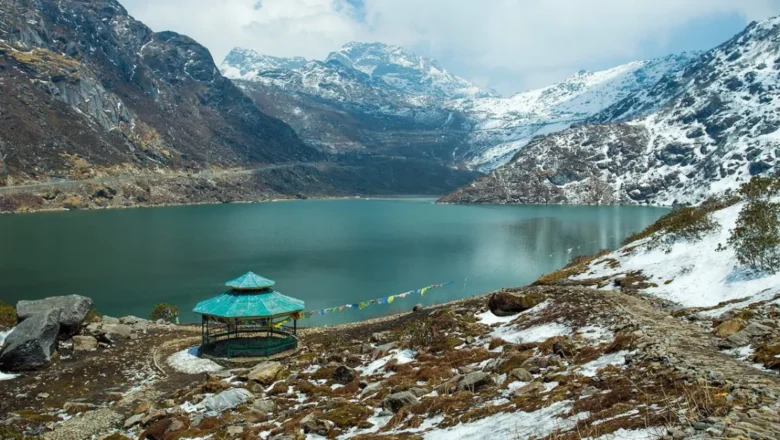
High in the Eastern Himalayas about 40 kilometers from Gangtok, lies Tsomgo Lake one of Sikkim’s most iconic tourist destinations. Surrounded by snow capped mountains and fluttering prayer flags, the glacial lake attracts thousands of visitors every year. Today, its crystal clear waters appear pristine but less than two decades ago, the future of this fragile ecosystem looked uncertain. By the early 2000s, Tsomgo Lake was struggling under the pressure of growing tourism. Plastic bottles, food wrappers, tetra packs, sewage and animal waste had begun accumulating around the lake. Shops lined the shoreline, and litter increasingly found its way into the water. While tourism brought income to local communities, it also threatened the very landscape that attracted visitors. Recognizing th...
El Nino Set to Return Raising Fresh Concerns for Global Food Security and Agriculture

El Nino Set to Return Raising Fresh Concerns for Global Food Security and Agriculture

Breaking News
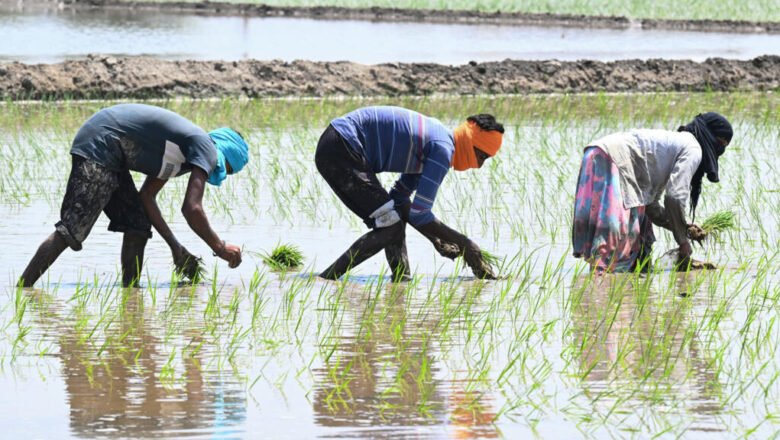
FAO warns that a developing El Niño could trigger severe droughts across key farming regions, threatening crops, livestock, and millions of vulnerable people worldwide. A new El Niño climate pattern is expected to develop within weeks, prompting fresh concerns about agricultural production and food security across several regions of the world. According to an analysis by the Food and Agriculture Organization (FAO) of the United Nations, drought risks linked to El Niño are likely to intensify across parts of Africa, Asia, Central America, and the Caribbean, placing crops, pasturelands and rural livelihoods under significant pressure. Using 41 years of satellite observations from its Agricultural Stress Index System, FAO experts mapped areas most vulnerable to drought during strong and...
Europe Scorched by Record 44°C Heat Dome Death Toll Rises as Schools and Services Disrupted

Europe Scorched by Record 44°C Heat Dome Death Toll Rises as Schools and Services Disrupted

Breaking News
Paris, June 25: A powerful and rare heat dome has engulfed much of Europe, pushing temperatures to record-breaking levels, disrupting daily life, and causing dozens of deaths across the continent. Authorities in several countries have issued emergency alerts as the extreme heat continues to strain public health systems, energy infrastructure, agriculture, and transportation networks. France, Britain, Spain, Italy, Belgium, the Netherlands, and Switzerland have all been affected by the intense heatwave, with temperatures in some regions soaring up to 18°C above normal seasonal averages. Parts of southwestern France recorded temperatures as high as 44.3°C, marking the country's hottest day since modern weather records began nearly 80 years ago. French authorities placed more than 50 de...
World First Heat Insurance for Pregnant Women Launched to Combat Rising Climate Risks

World First Heat Insurance for Pregnant Women Launched to Combat Rising Climate Risks

Breaking News
New programme aims to protect expectant mothers from extreme heat through insurance payouts, cash support and early warning systems A groundbreaking insurance programme designed to protect pregnant women from the growing dangers of extreme heat has been launched, marking a first in climate adaptation and maternal health protection. Called HERA Materna the initiative has been introduced by the climate resilience organisation HERA and its partners to provide financial and practical support to expectant mothers facing increasing heat related risks. The programme is being described as the world's first heat pregnancy insurance scheme. The launch comes as scientific evidence continues to highlight the serious health threats posed by extreme heat during pregnancy. A 2023 study published...
Climate Change Making Grand Slam Tennis Hotter and Wetter, Study Finds

Climate Change Making Grand Slam Tennis Hotter and Wetter, Study Finds

Breaking News
Extreme weather is increasingly affecting some of the world’s biggest tennis tournaments with rising temperatures and heavier rainfall creating new challenges for players, spectators, and organizers according to a new analysis by Climate Central. The study examined temperature and rainfall trends at the four Grand Slam tournaments the Australian Open, French Open, Wimbledon, and the US Open between 1970 and 2025. Researchers found that climate change has significantly increased the number of hot days during these events and, in some locations, has also contributed to more frequent heavy rainfall. According to the analysis, the likelihood of experiencing a hot tournament day, defined as temperatures reaching 28°C or higher, has increased across all four Grand Slam venues over the past...
Ocean Tiny Plankton Produce Half of Earth Oxygen, Scientists Say

Ocean Tiny Plankton Produce Half of Earth Oxygen, Scientists Say

Breaking News
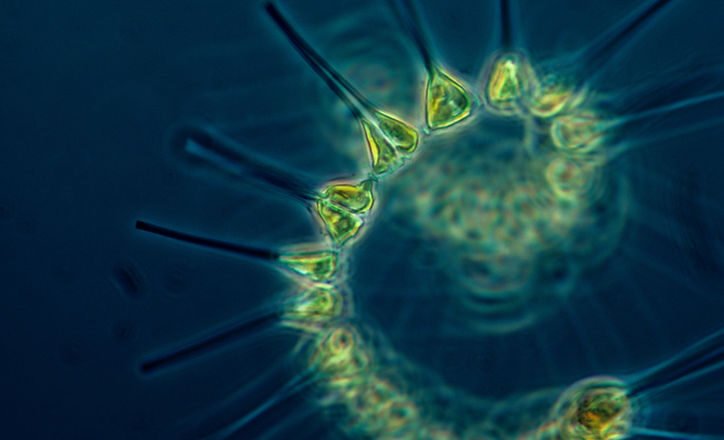
Microscopic marine organisms generate more oxygen than rainforests, highlighting the crucial role oceans play in sustaining life on Earth. When people think about the source of Earth's oxygen, vast rainforests such as the Amazon often come to mind. However, scientists say that nearly half of the oxygen humans breathe actually comes from the ocean, produced by trillions of microscopic organisms known as phytoplankton. According to scientific assessments cited by the United States National Oceanic and Atmospheric Administration (NOAA), these tiny marine organisms carry out photosynthesis on a massive scale across the world's oceans. Floating in the sunlit surface waters, phytoplankton absorb carbon dioxide and use sunlight to produce energy, releasing oxygen as a byproduct. Despite ...
Nearly Half of World Children Face Multiple Climate Threats, UNICEF Warns

Nearly Half of World Children Face Multiple Climate Threats, UNICEF Warns

Breaking News
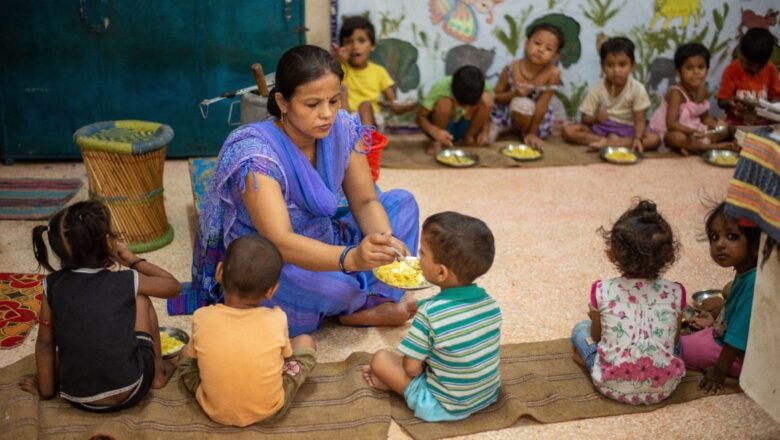
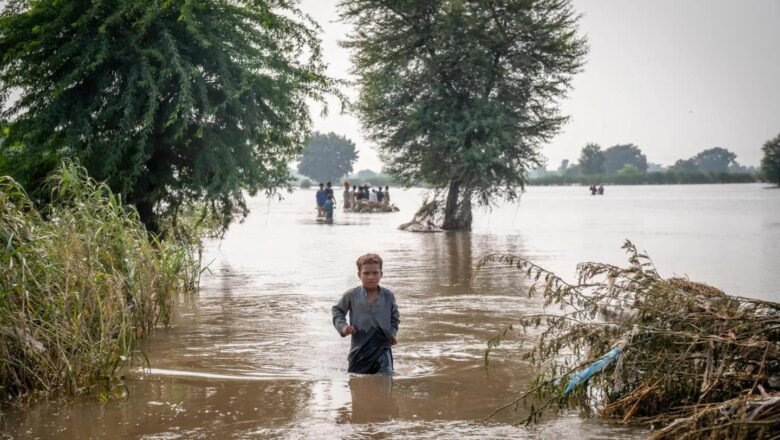
UNICEF's Children's Climate Risk Report 2026 reveals that 1.1 billion children face at least three overlapping climate hazards, putting their health education and survival at risk. Climate Crisis Putting Billions of Children at Risk Almost every child on Earth is now exposed to at least one major climate hazard, according to UNICEF Children Climate Risk Report 2026. The report warns that climate change is creating growing threats to children's health, education and overall well being. Using data from UNICEF Global Child Hazard Database, researchers found that nearly half of the world's children about 1.1 billion face at least three overlapping climate hazards. More than 4 million children are exposed to as many as six different climate-related threats. The report highlights a r...