Monday, March 23News That Matters

Climate Actions

New Global Tool and Finance Report Boosts Investment in Nature Based Climate Solutions

New Global Tool and Finance Report Boosts Investment in Nature Based Climate Solutions

Breaking News, Climate Actions, Environment
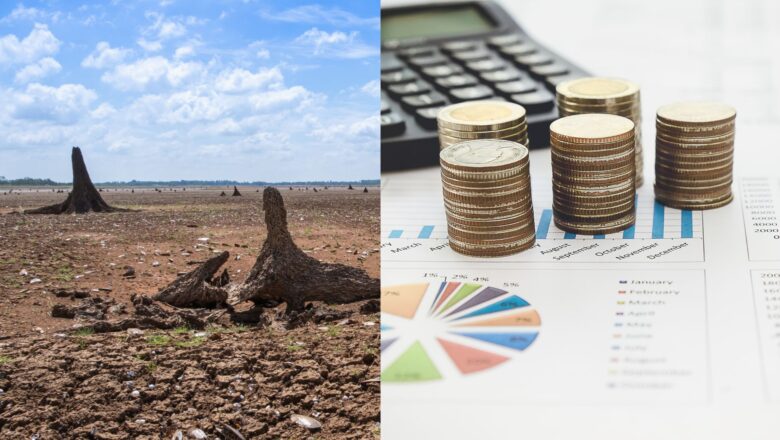
A newly launched Global Tool and Finance Report, developed by the University of Oxford’s Environmental Change Institute (ECI) and the Global Center on Adaptation (GCA), aims to scale investment in nature-based solutions (NbS) for climate-resilient infrastructure. Nature-based solutions play a crucial role in climate adaptation by strengthening resilience mitigating climate impacts, and supporting biodiversity. A UNEP report highlights that NbS influence up to 79% of Sustainable Development Goal targets. However, funding remains insufficient, with UNEP estimating that global investment in NbS needs to nearly triple to $542 billion by 2030 to meet critical biodiversity and climate targets. Finance Report: Unlocking Private Investment for NbS The Finance Report, led by researchers Ni...
Glacial Melt Crisis Rising Risks of Lake Outburst Floods

Glacial Melt Crisis Rising Risks of Lake Outburst Floods

Breaking News, Climate Actions
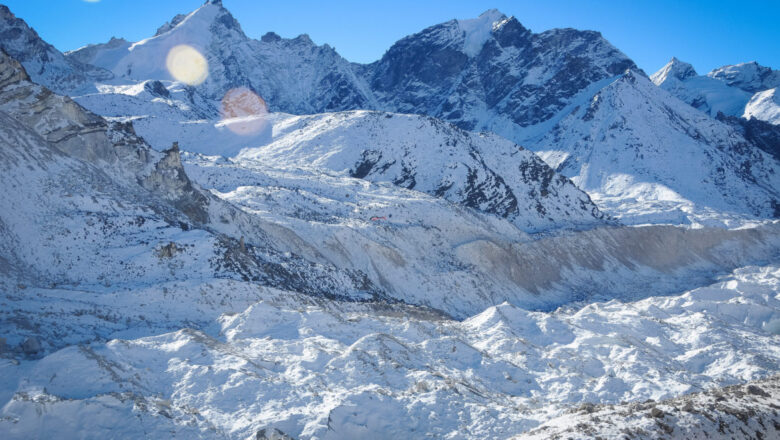
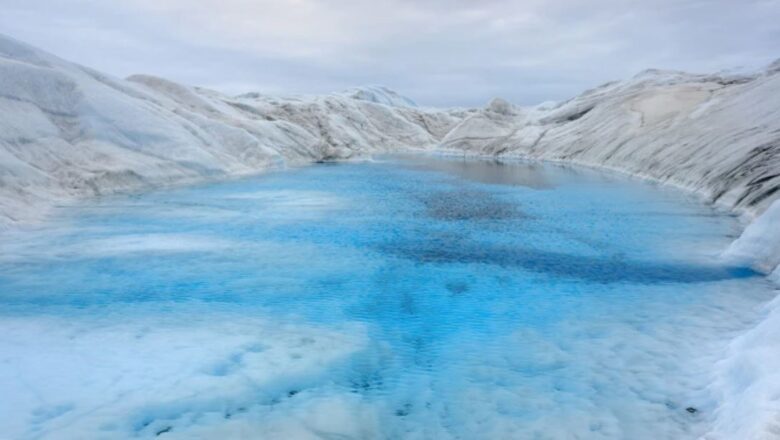
The Great Aletsch Glacier in Switzerland’s Canton of Valais is among the fastest-melting World Heritage sites, highlighting a growing crisis in mountain regions worldwide. As global temperatures rise glaciers are retreating at alarming rates Europe Alps and Pyrenees alone have lost 40% of their glacier volume since 2000. Nearly 2 billion people rely on glaciers for freshwater, but their rapid melting now poses deadly threats. As glaciers melt water collects in depressions once occupied by ice, forming unstable lakes. Many are held back by fragile ice dams or rock moraines. A sudden water surge, landslide or earthquake can trigger a catastrophic outburst flood, sending torrents of water and debris crashing down mountain valleys. In October 2023 glacial lake outburst flood in the Himal...
Warming Climate Shrinks Crop Diversity Threatens Global Food Security

Warming Climate Shrinks Crop Diversity Threatens Global Food Security

Breaking News, Climate Actions, Learning & Developments
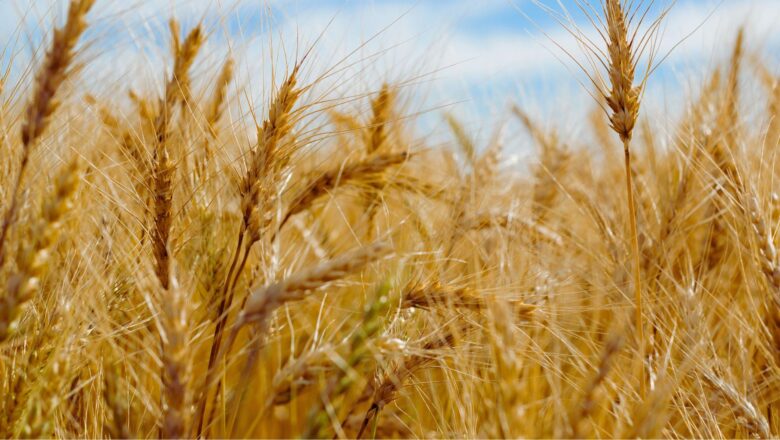
A new study published in Nature Food warns that more than half of the world’s cropland could see a decline in suitable crops if global temperatures rise by 2°C. Researchers examined how climate change would affect 30 major crops under four warming scenarios, from 1.5°C to 4°C above pre-industrial levels. The study finds that even at 1.5°C of warming, over half of the analyzed crops including wheat, barley, lentils, and potatoes would experience a net loss in potential cropland. At 3°C, all 30 crops would suffer declining suitable areas, with some reductions surpassing 50%. While warming will shrink crop diversity in tropical regions it may allow for expanded farming options in temperate zones offering adaptation opportunities. Regions near the equator such as sub-Saharan Africa and S...
Himalaya Glaciers Vanishing at Alarming Rate Melting 65% Faster as Climate Crisis Worsens

Himalaya Glaciers Vanishing at Alarming Rate Melting 65% Faster as Climate Crisis Worsens

Breaking News, Climate Actions
  Glaciers across the globe are shrinking at an unprecedented pace, with the Hindu Kush Himalaya (HKH) region witnessing the most dramatic losses, retreating 65% faster in 2011-2020 than in the previous decade, according to a United Nations report released on the World Day for Glaciers. The Asia-Pacific region, home to some of the world’s highest mountains and vast glacier systems, is one of the most vulnerable to climate change. Spanning five million square kilometers of high-altitude terrain, the HKH region contains nearly 100,000 square kilometers of glaciers, often referred to as the “Third Pole” due to its immense ice reserves outside the Arctic and Antarctic. This region serves as a crucial water source, feeding ten major river systems and sustaining nearly two billion...
Ladakh Energy Hungry New Buildings Could Harness Its 300 Sunny Days for Sustainable Heating

Ladakh Energy Hungry New Buildings Could Harness Its 300 Sunny Days for Sustainable Heating

Breaking News, Climate Actions
Ladakh the cold desert with its extreme winters minimal rainfall, and sparse vegetation has long relied on ingenious adaptations to survive its harsh climate. Traditional Ladakhi architecture exemplifies this resilience using passive solar heating to combat frigid temperatures. However as modern developments increasingly rely on energy-intensive heating systems, the region faces a growing energy crisis. Experts now argue that Ladakh's unique climatic conditions, particularly its abundant sunshine, offer a chance to reverse this trend and revolutionize building energy efficiency. Traditional Wisdom Meets Modern Energy Challenges Ladakh traditional homes were designed to conserve heat, featuring small windows low ceilings, and thick insulating walls. The kitchen was the warmest room, a...
Kochi Neglected Waterways Hold Key to City Survival as Climate Change Threats Mount

Kochi Neglected Waterways Hold Key to City Survival as Climate Change Threats Mount

Breaking News, Climate Actions
Kochi once crisscrossed by a vibrant network of rivers, creeks, and canals now faces a stark reality encroachment, pollution, and stagnation have transformed its lifeline into a looming disaster. As rising sea levels, extreme rainfall, and tidal surges intensify the risk of devastating floods local authorities, with support from the United Nations Environment Programme (UNEP), have launched a bold initiative to revive the city’s waterways and fortify it against climate change. The Thevara-Perandoor (TP) Canal 10-kilometer stretch that once provided transport water, and storm drainage chosen as the starting point for this ambitious restoration. Years of neglect and urbanization have shrunk its widthobstructed its flow and turned it into a dumping ground for untreated waste. Despite past ...
Hidden Climate Clues Help Scientists Predict Unseen Extreme Weather

Hidden Climate Clues Help Scientists Predict Unseen Extreme Weather

Breaking News, Climate Actions, Disasters, Learning & Developments
A groundbreaking study published in Nature Communications unveils new methods to forecast extreme weather events that modern records have never captured. Conducted by researchers from the Climate Adaptation Services Foundation, the University of Reading, and other global institutions, the study expands the understanding of climate extremes beyond the last century’s conventional weather records. By tapping into nature archives such as tree rings and forgotten historical documents scientists have uncovered centuries of climate data that modern instruments missed. Lead author Timo Kelder emphasized the significance of this breakthrough, stating, “We’ve been limited by thinking extreme weather is only as bad as what we’ve measured. But looking back hundreds or even thousands of years reveal...
2024 Becomes Hottest Year on Record as WMO Warns of Irreversible Climate Crisis

2024 Becomes Hottest Year on Record as WMO Warns of Irreversible Climate Crisis

Breaking News, Climate Actions, Environment
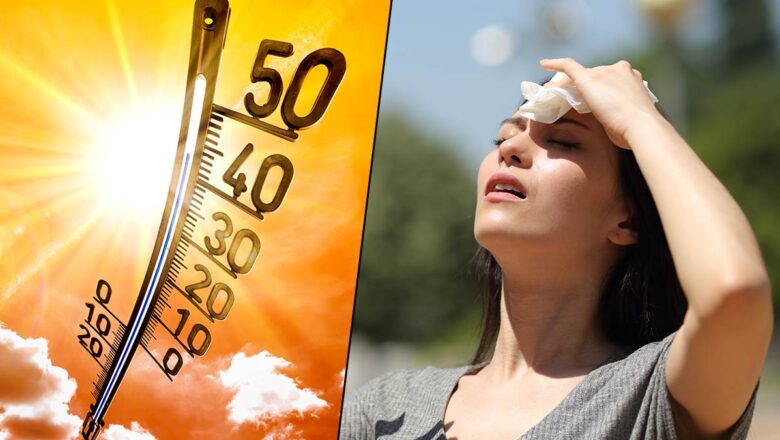
The World Meteorological Organization (WMO) has issued a stark warning in its latest report, confirming that 2024 was the hottest year ever recorded with global temperatures surpassing 1.5°C above pre-industrial levels for the first time. The findings highlight worsening climate conditions, including rising sea levels, record ocean warming, and extreme weather events leading to widespread displacement and economic losses. According to the report, the global mean temperature in 2024 was 1.55 ± 0.13°C above the 1850-1900 average, marking a devastating milestone in human-induced climate change. WMO Secretary-General Celeste Saulo described the findings as an “urgent warning sign” rather than a definitive failure of the Paris Agreement goals, emphasizing that every fraction of a degree of w...
India 2047 Paving the Path for a Climate-Resilient Future Through Policy and Innovation

India 2047 Paving the Path for a Climate-Resilient Future Through Policy and Innovation

Breaking News, Climate Actions, Idea & Innovations
A landmark four day symposium ‘India 2047 Building a Climate-Resilient Future' begun at Bharat Mandapam New Delhi, gathering policymakers, industry leaders, scientists, and civil society representatives to shape India's strategy for climate adaptation. Organized by The Lakshmi Mittal and Family South Asia Institute and The Salata Institute for Climate and Sustainability at Harvard University, in collaboration with the Ministry of Environment, Forest and Climate Change (MoEFCC), the event aims to craft a roadmap for a resilient India by its centenary of independence in 2047. The symposium’s inaugural session saw the participation of prominent figures, including Shri Suman Bery Vice Chairperson of NITI Aayog, and Shri Kirti Vardhan Singh, Union Minister of State for Environment, Forest an...
Global South Takes Lead in Climate Action as Developed Nations Falter

Global South Takes Lead in Climate Action as Developed Nations Falter

Breaking News, Climate Actions
The Global South with nations like India and Brazil at the forefront, is stepping up to take a leading role in global climate action as developed countries struggle to meet their commitments. COP30 President Andre Correa do Lago emphasized this shift in leadership during his visit to India, asserting that emerging economies possess the institutional strength and scientific expertise necessary to drive meaningful climate solutions. Correa do Lago pointed out that the United States' wavering commitment and Europe’s growing defense priorities have hindered the effectiveness of climate initiatives. He argued that while countries in the Global South have large vulnerable populations, their proactive climate policies and international cooperation are setting new standards for environmental le...