Saturday, February 21News That Matters

Environment

Small Quakes Big Shakes Mexico City Faces Unexpected Seismic Threat

Small Quakes Big Shakes Mexico City Faces Unexpected Seismic Threat

Breaking News, Climate Actions, Disasters, Environment
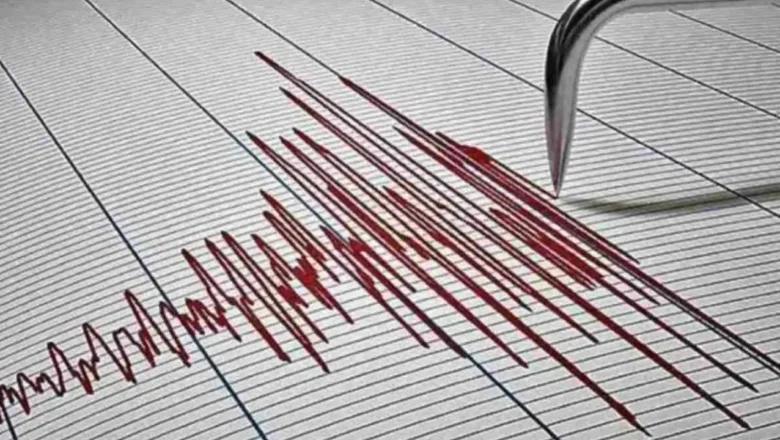
recent study has revealed that a series of small, shallow earthquakes in Mexico City in 2019 and 2023 caused unexpectedly strong ground shaking, raising concerns about the impact of future moderate-sized quakes on the city's buildings. The findings, published in the Bulletin of the Seismological Society of America, suggest that even moderate tremors could cause significant damage, depending on the region’s underlying geology. Researchers Miguel Jaimes and Gerardo Suárez from Universidad Nacional Autónoma de México analyzed potential damage scenarios for three key areas within the Mexico City basin, modeling earthquakes up to magnitude 5.5. Their simulations were based on past seismic events, including a 2023 quake in La Magdalena Contreras, the 2018 San Juan de Aragón earthquake, and ea...
New Climate Risk Index Reveals Global Inequities in Climate Crisis

New Climate Risk Index Reveals Global Inequities in Climate Crisis

Breaking News, Climate Actions, Environment
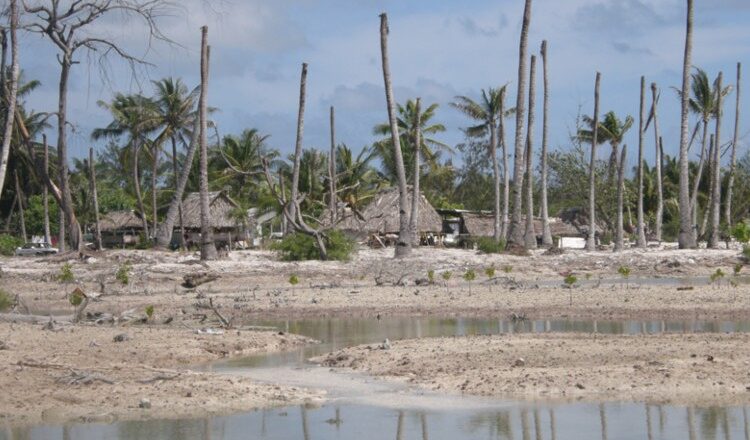
A newly released Climate Risk Index (CRI) highlights the devastating impact of extreme weather events worldwide, underscoring the urgent need for stronger climate adaptation and risk management policies. Unlike the Climate Change Performance Index (CCPI), which evaluates countries' mitigation efforts, the CRI ranks 171 nations based on the human and economic toll of climate-related disasters. The 2025 report, published by Germanwatch confirms that lower-income nations bear the brunt of climate change, despite contributing the least to global emissions. Over a 30-year analysis (1993-2022), five of the ten most affected nations were lower-middle-income countries including India, Myanmar, and the Philippines while high-income nations like Italy and Spain also made the list. The year 2022 a...
Threatening Millions Addis Ababa Climate Change Fuels Global Water Crisis Global Threat

Threatening Millions Addis Ababa Climate Change Fuels Global Water Crisis Global Threat

Breaking News, Climate Actions, Environment
In Addis Ababa, Ethiopia, a young girl waits in a long line for water, clutching an empty container. The queue stretches down the dusty road as families gather under the scorching sun hoping to fill their buckets before supplies run out. This scene has become increasingly common in cities and rural areas around the world, where climate change is disrupting water systems and leaving millions without access to safe drinking water. From East Africa to North America, extreme weather events wildfires, floods, droughts, and heatwaves are pushing water infrastructure to its limits. Rivers are drying up, reservoirs are shrinking, and contamination is on the rise. Scientists and policymakers warn that without immediate action, the situation will only get worse, putting lives at risk and deepenin...
Scientists Pioneer air-moisture Tech to Break down Plastic revolutionizing recycling

Scientists Pioneer air-moisture Tech to Break down Plastic revolutionizing recycling

Breaking News, Climate Actions, Environment, Learning & Developments
In a breakthrough that could reshape plastic waste management, scientists have unveiled a pioneering method to break down polyethylene terephthalate (PET) using moisture from the air. This novel approach utilizing an inexpensive catalyst dismantles PET bonds and transforms the material into monomers the essential building blocks of plastics allowing for efficient recycling or upcycling into higher-value products. Published in Green Chemistry, a journal of the Royal Society of Chemistry, the study introduces a solvent-free, environmentally friendly solution to global plastic pollution. Unlike conventional recycling methods, which generate harmful byproducts and require significant energy input, this technique harnesses trace moisture from ambient air, making it safer and more sustainable...
Climate Change Alters Rainfall and Flood Patterns Differently Over Time Scales

Climate Change Alters Rainfall and Flood Patterns Differently Over Time Scales

Breaking News, Climate Actions, Environment
A new study has revealed that climate change influences short-term and long-term rainfall and flooding in different ways, shedding light on how rising temperatures impact local and regional water systems. Researchers from Austria have provided the first comprehensive analysis of this relationship, using over a century of high-quality weather data. Their findings, now published in Nature, have global implications for understanding how floods may intensify in different regions. The study, led by Prof. Günter Blöschl of TU Wien (Vienna), shows that short-duration rainfall events lasting just a few hours have increased by 15% in the last 30-40 years. The main driver behind this increase is rising temperatures caused by climate change. Warmer air holds more moisture, while increased groun...
Rising Groundwater Threatens Inland Flooding in Coastal Cities

Rising Groundwater Threatens Inland Flooding in Coastal Cities

Breaking News, Climate Actions, Environment
Rising sea levels caused by climate change are bringing an often-overlooked threat to coastal communities rising groundwater. While coastal erosion and storm surges have been widely studied, the inland spread of flood hazards due to groundwater rise remains a hidden danger. A recent study by Cox et al. focuses on Dunedin, New Zealand, a city already facing periodic flooding, and presents a method to predict how rising seas will impact groundwater levels, offering crucial insights for flood risk management. The research, based on data from 2019 to 2023 collected from 35 groundwater sensors, shows that as sea levels rise, groundwater levels will also increase, limiting the land’s ability to absorb rainfall and leading to higher risks of surface flooding. Even before reaching the surfac...
Rising seas groundwater loss and urban expansion push Asia megadeltas toward crisis

Rising seas groundwater loss and urban expansion push Asia megadeltas toward crisis

Breaking News, Climate Actions, Environment
Coastal flooding in Asia’s megadeltas is intensifying due to rapid urbanization, land use changes, excessive groundwater extraction, infrastructure development, and widespread sand mining. Since 1990, urban areas below five meters above sea level have expanded by over 70% in the Ganges-Brahmaputra-Meghna and Mekong deltas, and by at least 200% in the Chao Phraya delta. The excessive withdrawal of groundwater has accelerated land subsidence in all five megadeltas, with sinking rates surpassing one centimeter per year. Additionally, intense river sand mining, driven by the high demand for construction materials, has contributed to severe erosion along riverbanks and coastlines. Dams built upstream further disrupt natural river flows by trapping sediments that are essential for maintain...
Unstoppable Heatwaves, Deadly Avalanches, and Global Negligence: How Climate Change is Pushing the World to the Edge

Unstoppable Heatwaves, Deadly Avalanches, and Global Negligence: How Climate Change is Pushing the World to the Edge

Breaking News, Climate Actions, Environment, Fact Check
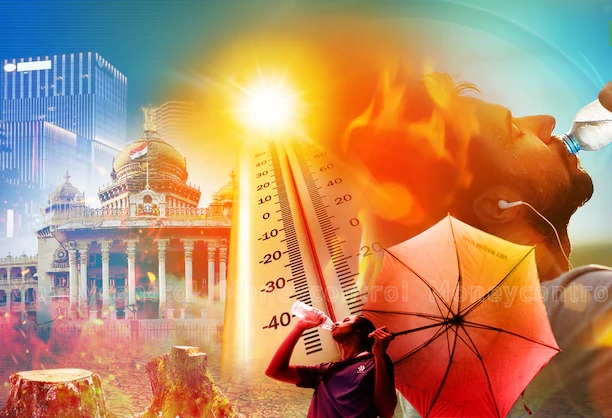
As temperatures continue to soar across the country, climate experts warn that 2025 could be even hotter than the record-breaking 2024, pushing the world deeper into an environmental crisis. The Indian Meteorological Department (IMD) has already issued heatwave warnings for multiple states, including Odisha, Kerala, and Maharashtra, while Bengaluru is expected to be hotter than Delhi this year. The rising heat is not just an inconvenience—it is claiming lives. In Mana, Uttarakhand, a devastating avalanche buried around 55 soldiers and workers at a border base camp, with many tragically losing their lives. Experts point to climate change as the root cause of these disasters. The western disturbances, which normally bring snowfall around December and January, have shifted to February and ...
Somalia Unites Experts to Confront Drought and Extreme Heat Threats in 2025 Gu Season

Somalia Unites Experts to Confront Drought and Extreme Heat Threats in 2025 Gu Season

Breaking News, Climate Actions, Environment
Somalia has taken a crucial step toward tackling the looming threat of drought and extreme heat by hosting its Sixth National Climate Outlook Forum (NCOF6) in Mogadishu on March 4–5. The gathering brought together climate experts, government officials, and humanitarian agencies to assess the anticipated climate conditions for the Gu season (March-May 2025) and devise urgent mitigation strategies to protect communities from severe environmental challenges. The forum, organized by the Ministry of Environment and Climate Change (MoECC) with technical support from the Food and Agriculture Organization (FAO), the World Meteorological Organization (WMO), and the Intergovernmental Authority on Development Climate Prediction and Applications Centre (ICPAC), delivered a stark warning about the s...
Marine Heatwaves Surge 240% in Two Years, Triggering Global Disruptions

Marine Heatwaves Surge 240% in Two Years, Triggering Global Disruptions

Breaking News, Climate Actions, Disasters, Environment
A new study has revealed a 240% increase in marine heatwave (MHW) days worldwide during the 2023-24 summers, marking an unprecedented rise in ocean temperatures due to climate change, El Niño, and record-low cloud cover. The research, published in Nature Climate Change, shows that 10% of the world's oceans recorded their highest-ever sea surface temperatures (SSTs), reaching levels four times above historical averages. Extreme Weather and Oceanic Disruptions The prolonged marine heatwaves had far-reaching effects, influencing global weather patterns and triggering severe storms, flooding, and cyclones: Heatwaves struck the UK, North America, and Japan Severe flooding hit Ecuador, Libya, Japan, and Australia The Atlantic hurricane season saw near-record storms MHWs in...