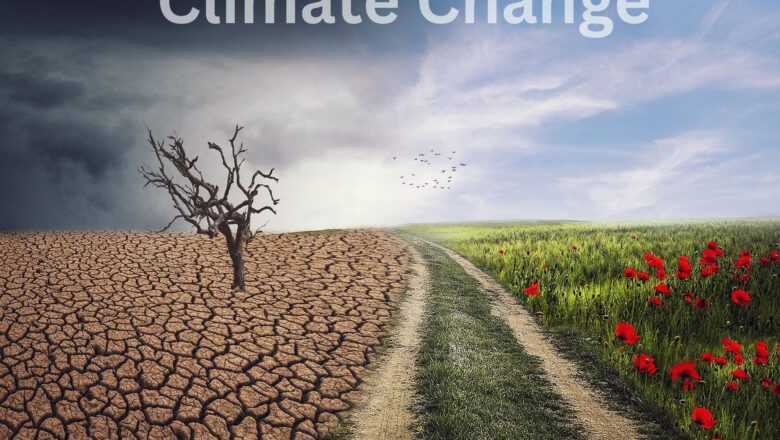
Saturday, February 21News That Matters

Environment

India Air Pollution Crisis Damaging Despite Slight Improvement

India Air Pollution Crisis Damaging Despite Slight Improvement

Breaking News, Climate Actions, Environment, Fact Check
Despite a 7% drop in PM2.5 levels India remains the world's fifth most polluted country, with six of the ten most polluted cities globally. The 2024 IQAir World Air Quality Report reveals that India’s annual PM2.5 average fell to 50.6 µg/m³ from 54.4 µg/m³ in 2023, yet pollution levels remain alarmingly high. New Delhi, a pollution hotspot, recorded an annual PM2.5 average of 91.6 µg/m³, showing little change from the previous year. Northern states continue to suffer from severe pollution spikes, with Baddi in Himachal Pradesh reporting a shocking PM2.5 level of 165 µg/m³ in January. Stubble burning contributed to 60% of PM2.5 levels in Punjab, Haryana, and surrounding regions, worsening air quality in November. Air pollution remains a major public health crisis, reducing life expect...
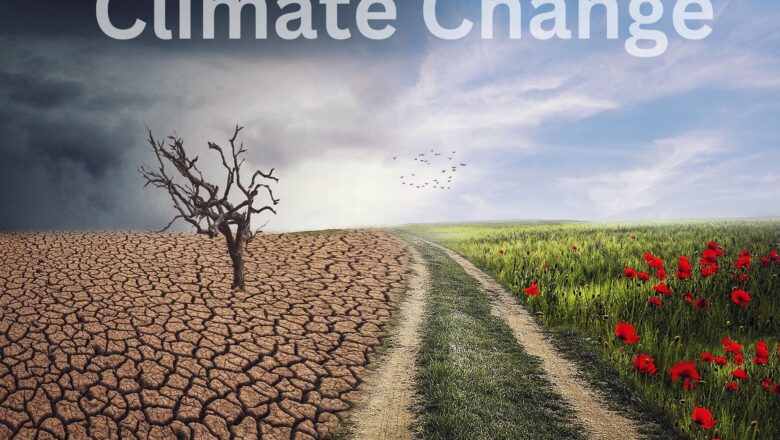
Climate Change and Sewage Linked Viruses Growing Health Risks

Climate Change and Sewage Linked Viruses Growing Health Risks

Breaking News, Climate Actions, Environment
Rising temperatures and extreme weather events may be increasing the risk of virus exposure from sewage-contaminated waters, a new study warns. Scientists have found that viruses from raw sewage can persist in rivers, lakes, and seas for days, raising public health concerns. Heavy rainstorms often overload sewer systems, leading to untreated sewage being discharged into natural water bodies. This waste carries viruses such as enterovirus and norovirus, which can remain infectious for days, even after passing through wastewater treatment plants. In seawater, enteric viruses stayed infectious for up to three days at 30°C, while cooler temperatures extended their lifespan to a week. Sunlight reduced their viability to less than 24 hours on sunny days, but they survived for 2.5 days in clou...
Chennai Scorches Under Intense Heatwave Records Hottest Day of 2025

Chennai Scorches Under Intense Heatwave Records Hottest Day of 2025

Breaking News, Climate Actions, Environment
Chennai is reeling under an intense heatwave as temperatures surge beyond normal levels, marking March 6, 2025, as the hottest day of the year so far. In Nungambakkam, the mercury climbed to 36.4°C—3.6°C above normal—while Meenambakkam recorded a scorching 37.7°C, exceeding the average by 4.3°C. Across the city, 11 weather stations reported temperatures above 37°C. Meanwhile, Erode in Tamil Nadu recorded the state’s highest temperature at 39.2°C, making it the hottest March 6 since 2000. With heat levels soaring unusually early in the year, meteorologists warn of prolonged high temperatures in the coming weeks. From News Desk
Extreme Heat in Eastern Africa Climate Change Worsens Crisis in South Sudan

Extreme Heat in Eastern Africa Climate Change Worsens Crisis in South Sudan

Breaking News, Climate Actions, Environment
A severe heatwave has gripped Eastern Africa since mid-February, with South Sudan facing extreme daytime temperatures that have devastated vulnerable communities. Schools have been shut nationwide after dozens of children collapsed from heatstroke in Juba, while outdoor workers and those in poor housing conditions struggle to cope with the relentless heat. The heatwave has exacerbated existing hardships in South Sudan, where a third of Juba’s population lacks access to clean water, and only 1% of the city offers green spaces for respite. Houses, often built with iron roofs and no cooling systems, trap heat, making indoor conditions nearly unbearable. Women and girls face disproportionate risks as they spend hours working in agriculture, collecting water, and cooking in extreme temperatu...
Pandemic Preparedness Are We Ready for the Next Global Health Crisis?

Pandemic Preparedness Are We Ready for the Next Global Health Crisis?

Breaking News, Climate Actions, Environment
The world is struggling to control infectious diseases that should be manageable. Measles once near extinction has made a deadly return in Europe and the U.S. due to falling vaccination rates. Bird flu has spread across dairy herds in 17 U.S. states and has even been detected in cats, raising concerns about potential human transmission. Meanwhile polio almost eradicated has resurfaced in Gaza and New York. COVID-19 still claims between 500 and 1,000 lives each week globally. This winter hospitals in developed nations faced surges in flu, RSV, and COVID, exposing weaknesses in healthcare systems. Despite lessons from past outbreaks global responses remain slow, fragmented and politically charged. Over the past 60 years, four pandemics have swept the globe each revealing systemic failu...
Sea Level Could Rise Up to 1.9 Meters by 2100 if Emissions Continue

Sea Level Could Rise Up to 1.9 Meters by 2100 if Emissions Continue

Breaking News, Climate Actions, Environment, Fact Check
A new study warns that global sea levels could rise as much as 1.9 meters by 2100 if carbon emissions remain unchecked 90 centimeters higher than the latest estimates by the UN’s Intergovernmental Panel on Climate Change (IPCC). The research, conducted by scientists at Nanyang Technological University (NTU) in Singapore and Delft University of Technology (TU Delft) in the Netherlands, introduces a more accurate projection method that accounts for extreme climate scenarios. Published in Earth Future, the study highlights that traditional sea-level rise estimates vary widely due to uncertainties in climate models. While most models include well-understood factors like glacier melt, they struggle to predict less certain events such as sudden ice shelf collapse. To address this, the researc...
New Study Warns Methane Emissions Could Hinder Ozone Layer Recovery

New Study Warns Methane Emissions Could Hinder Ozone Layer Recovery

Breaking News, Climate Actions, Environment, Learning & Developments
A new study has highlighted the complex relationship between methane emissions and the recovery of the stratospheric ozone layer warning that rising methane levels could slow ozone restoration especially in polar regions. The ozone layer, which shields Earth from harmful ultraviolet radiation, has shown signs of recovery due to global efforts like the Montreal Protocol. However the study published in Advances in Atmospheric Sciences, suggests that future ozone replenishment remains uncertain due to global warming and human activities. Researchers from Beijing Normal University emphasize that methane plays a dual role while it is a potent greenhouse gas driving global warming, it also triggers complex chemical interactions that impact ozone levels. Understanding these dual effects is ...
Scientists Warn Climate Change Weakening La Niña’s Cooling Lose

Scientists Warn Climate Change Weakening La Niña’s Cooling Lose

Breaking News, Climate Actions, Environment
Scientists warn that climate change is accelerating so rapidly that La Niña natural cooling current may lose its effectiveness in the future. As temperatures continue to rise India is already experiencing prolonged heat waves with the India Meteorological Department (IMD) predicting an early summer and record-breaking temperatures this year. IMD data reveals that February 2025 was the warmest since 1901, while rainfall levels were among the lowest in over two decades. Experts point to climate change as the driving force behind increasingly warmer winters and shorter springs a shift that is becoming the "new normal." Raghu Murtugudde an Earth system scientist at IIT Bombay noted that shifting jet streams strong winds in the upper atmosphere are directly influencing heatwave patterns. ...
World coastal Cities Sinking NASA Warns of Accelerated Sea Level Rise

World coastal Cities Sinking NASA Warns of Accelerated Sea Level Rise

Breaking News, Climate Actions, Environment
A new NASA-led study has revealed that many of the world’s coastal cities are sinking, making them more vulnerable to rising sea levels than previously thought. Researchers found that in some regions, land is subsiding so rapidly that flood risks could double by 2050, far exceeding earlier projections. Published in Science Advances, the study used satellite data from ESA's Sentinel-1 mission to track vertical land motion along California’s coast from 2015 to 2023. The findings show that in areas like San Francisco Bay, land is sinking by over 10 millimeters per year, potentially leading to more than 45 centimeters of local sea level rise by mid-century. While melting ice caps and climate change have long been blamed for rising seas, the study highlights that human activities such as ...
Climate Change Disrupts HIV Prevention Poses New Health Challenges

Climate Change Disrupts HIV Prevention Poses New Health Challenges

Breaking News, Climate Actions, Environment
A new study has revealed that climate change is making HIV prevention and treatment more difficult by damaging healthcare infrastructure and increasing exposure risks. Extreme weather events such as droughts and floods have been linked to worsening HIV outcomes, affecting both prevention and care. The research, published in Current Opinion in Infectious Diseases, was conducted by scientists at the University of Toronto. They analyzed 22 studies and found that extreme weather events contribute to lower HIV testing rates, reduced treatment adherence, and increased risk behaviors, such as unprotected sex. Damage to clinics, displacement of communities, and resource shortages further complicate care access. “Climate change is creating multiple challenges in the fight against HIV,” the re...