
Wednesday, May 20News That Matters

Supreme Court NGT Crack Down on Illegal Mining and Waste Mismanagement in Key Environment Cases


India’s top environmental courts have intensified scrutiny over illegal mining, biomedical waste mismanagement, and tribal rights in a series of major environmental cases heard on May 14 and 15, 2026.

The Supreme Court of India took a strong stance against illegal sand mining in the National Chambal Sanctuary, directing senior officials from both Rajasthan and Madhya Pradesh to personally appear before the court on May 20 with detailed compliance reports.
A bench comprising Justices Vikram Nath, Sandeep Mehta, and Vijay Bishnoi ordered officials from departments including mining, transport, forests, finance, and home affairs to explain measures taken to stop illegal extraction and transportation of sand in the ecologically sensitive sanctuary area.

The court also directed the National Highways Authority of India (NHAI) to submit a detailed affidavit regarding the safety of the Chambal bridge connecting Rajasthan and Madhya Pradesh, amid concerns that continuous illegal mining near the riverbanks could weaken the structure. The apex court suggested installation of CCTV surveillance systems for real-time monitoring of illegal mining activities around the bridge.

Meanwhile, the National Green Tribunal (NGT) sought urgent responses regarding the controversial Sijimali bauxite mining project in Odisha. Villagers from Rayagada district alleged that mining activities proposed by Vedanta Limited threaten tribal livelihoods, sacred lands, forests, and water resources linked to the culturally significant Tijmali Hills.

According to the petitioners, the hills are considered sacred by tribal communities including Kandha, Dombo, and Gouda groups living across 44 villages in the region. The applicants argued that two villages may face complete displacement if mining proceeds. The tribunal has directed authorities and project stakeholders to file responses within two days and fixed the next hearing for May 20.

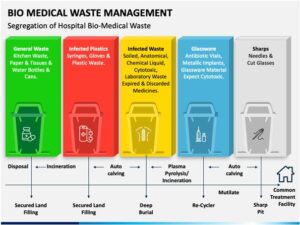
In another significant case, the eastern bench of the NGT ordered the West Bengal State Pollution Control Board to inspect Malbazar Super Facility Hospital over allegations of biomedical waste being dumped openly along with general garbage.

The tribunal expressed displeasure over delays by authorities in submitting responses and warned of possible prosecution against hospital officials if environmental violations are confirmed. The matter originated after environmental activist Subhas Datta submitted photographs allegedly showing hazardous medical waste lying unattended in the hospital premises.

The latest court actions reflect increasing judicial intervention in India’s environmental governance, particularly on issues involving illegal mining, tribal rights, pollution control, and waste management. Experts say such cases underline the growing pressure on authorities to balance economic development with environmental protection and public health.


Leave a Reply

Your email address will not be published. Required fields are marked *