Monday, September 21News That Matters

Month: August 2026

Chemical Recycling faces Economic and Regulatory Hurdles Despite Growing need for Plastic Waste Solutions

Chemical Recycling faces Economic and Regulatory Hurdles Despite Growing need for Plastic Waste Solutions

Breaking News
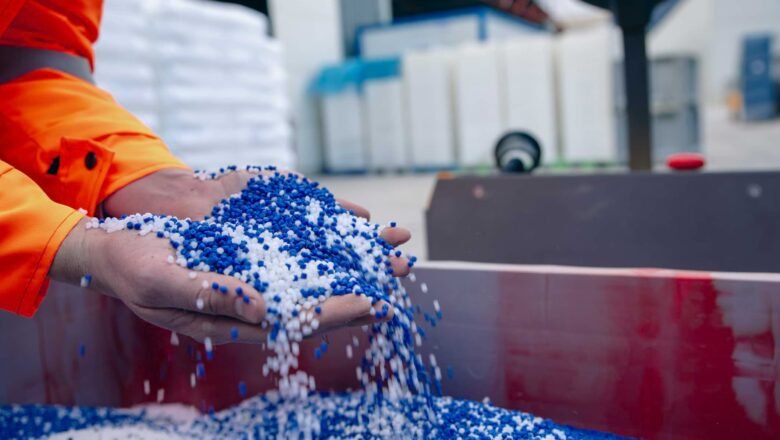
Aug 2: Chemical recycling is emerging as a promising technology to tackle hard to recycle plastics but experts say its future depends on stronger policy support, clear regulations and improved economic viability. An opinion published in Chemistry World noted that despite improvements in overall recycling rates, more than 70 per cent of plastic waste in Europe and nearly 90 per cent in the United States is still either incinerated or sent to landfill. Chemical recycling, also known as advanced recycling, breaks down plastic waste into raw materials that can be used to manufacture new plastics. Technologies such as pyrolysis and depolymerisation offer potential solutions for recycling mixed plastics and soft packaging that cannot be processed through conventional mechanical recycling. ...

Sea Sponges show Promise for Restoring Polluted Harbours study Finds

Sea Sponges show Promise for Restoring Polluted Harbours study Finds

Breaking News
  Aug 2: Scientists have identified a resilient Mediterranean sea sponge that could help restore polluted harbour ecosystems after a transplantation experiment demonstrated remarkable survival and self replication in contaminated waters. The findings, published in the journal Frontiers in Marine Science, showed that the chicken kidney sponge (Chondrosia reniformis) survived for 455 days in Spain's Marina Palamós, with 91.7 per cent of transplanted specimens remaining alive while naturally producing mobile clones. Researchers from the Center for Advanced Studies of Blanes in Girona transplanted 42 sea sponges from five Mediterranean species into the polluted marina to evaluate their potential for ecological restoration. Four species either failed to establish or died within mo...
Climate Change is Reshaping Ladakh’s Traditional Homes as Rainfall Patterns Shift

Climate Change is Reshaping Ladakh’s Traditional Homes as Rainfall Patterns Shift

Breaking News
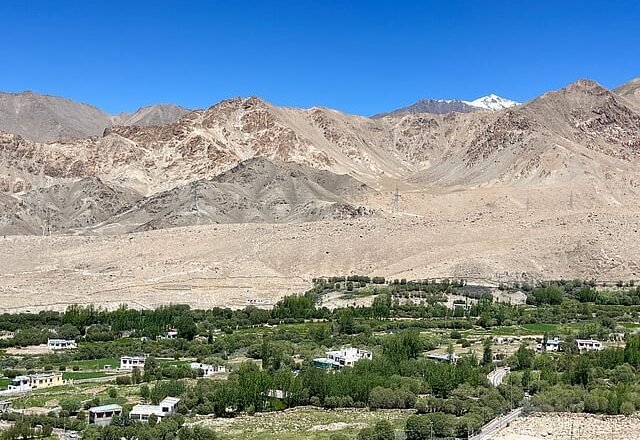
  Leh, Aug 2: Climate change is transforming the architecture of Ladakh with increasing rainfall forcing residents to replace centuries old mud roofs with corrugated tin sheets and reinforced concrete. While these changes help protect homes from water damage, conservationists warn they could gradually erase the region's unique architectural heritage. For generations, Ladakhi homes were built using sun dried mud bricks, thick earthen walls and flat mud roofs supported by wooden beams. These structures were well adapted to the region's cold, dry climate, providing natural insulation during freezing winters and cool summers. However, residents say weather patterns have changed significantly in recent years. Rainfall, once rare and brief has become more frequent and intense, caus...