Tuesday, September 22News That Matters

Month: September 2026

Scientists Used Cloud Seeding to Make Snow Over Chinese Glacier Slowing Ice Loss in Early Trial

Scientists Used Cloud Seeding to Make Snow Over Chinese Glacier Slowing Ice Loss in Early Trial

Breaking News
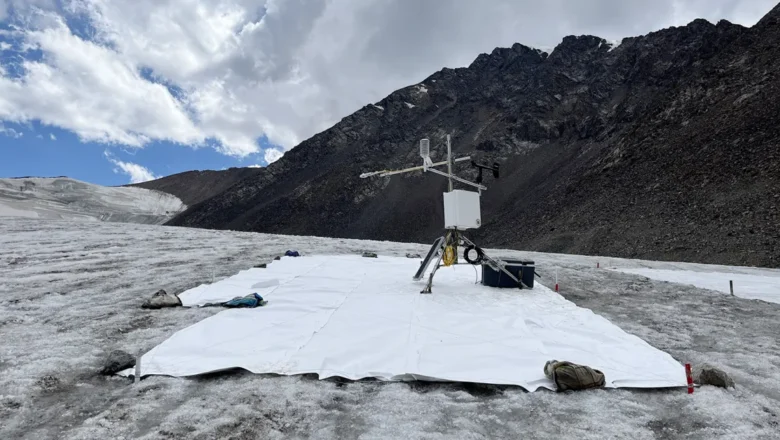
  Scientists in China have experimented with cloud seeding to produce artificial snowfall over the Muz Taw Glacier, with an early trial suggesting that the additional snow may have reduced ice loss by 14% to 17%. The experiment was conducted in August 2018 on the 3.2 kilometre long Muz Taw Glacier in the Sawir Mountains of Xinjiang, near the China Kazakhstan border. The glacier has been retreating continuously since 1959, with its decline accelerating in recent years. Researchers used 14 remotely controlled, solar powered generators to release silver iodide into suitable clouds. Silver iodide can act as an ice forming nucleus, helping water vapour in clouds develop into ice particles that can eventually fall as snow. A weather radar at the Jimunai Meteorological Station wa...
Less Than 2% of Oceans May be Effectively Protected New Research Finds

Less Than 2% of Oceans May be Effectively Protected New Research Finds

Breaking News
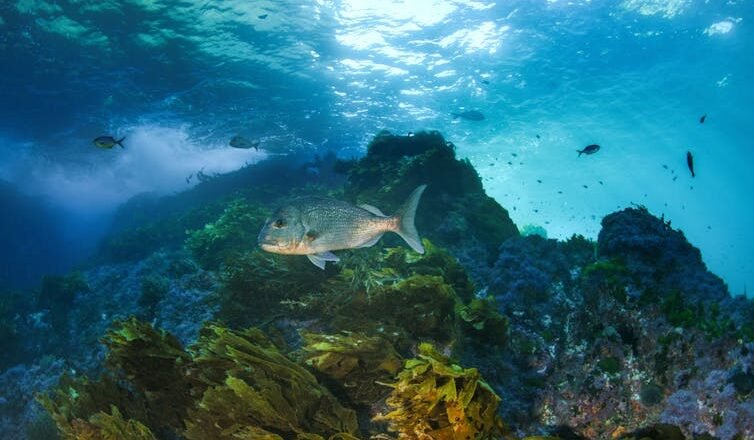
Marine protected areas cover around 10% of the world’s oceans on paper, but new research suggests less than 2% may actually be seeing meaningful recovery of marine ecosystems. The study, based on underwater biodiversity data collected from thousands of shallow coral and rocky reefs around the world, examined fish populations inside and outside marine protected areas. Researchers used fish biomass the total weight of fish on a reef as an indicator of whether ecosystems were genuinely recovering. Their findings challenge the assumption that an ocean area labelled “protected” is necessarily delivering effective conservation. The researchers estimate that less than 2% of the global ocean lies within protected areas where marine ecosystems are actually recovering. Even this figure is cons...
China Launches World’s Largest Plant to Turn Mine Waste into High Grade Iron

China Launches World’s Largest Plant to Turn Mine Waste into High Grade Iron

Breaking News
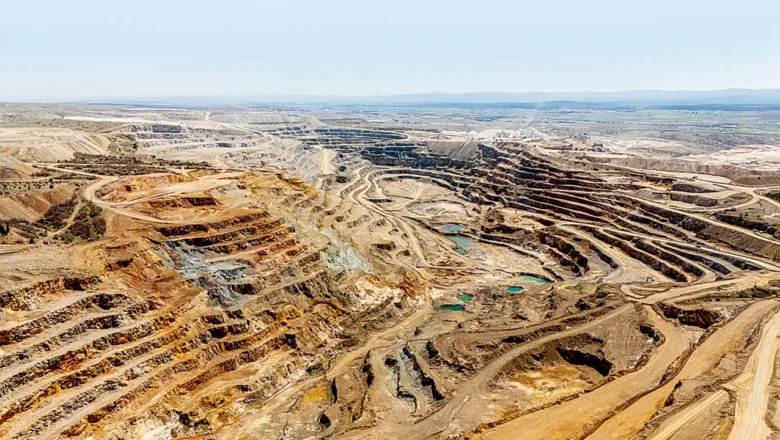
China has begun operations at what is described as the world’s largest iron ore magnetisation roasting project, using a new industrial process to convert low grade iron ore and discarded mine tailings into high grade iron concentrate. The facility in Anshan, Liaoning province, has passed official acceptance tests and is operating at full capacity, according to the Chinese Academy of Sciences (CAS). Developed by researchers at CAS’s Institute of Process Engineering, the plant can process about 5.56 million tonnes of refractory iron ore and mine tailings annually. The technology can upgrade material containing as little as 11 per cent iron into concentrate with an iron grade of about 65 per cent. Researchers say it is the first industrial scale technology capable of processing iron tai...
Recycled Glass Helps Arizona Widen Highway Without Overloading Old Culverts

Recycled Glass Helps Arizona Widen Highway Without Overloading Old Culverts

Breaking News
  Arizona engineers used ultra lightweight foam glass made from recycled containers at 19 locations along a 23 mile stretch of Interstate 17, allowing the highway to be widened without placing excessive weight on ageing drainage structures. When engineers began widening Interstate 17 north of Phoenix, Arizona they faced a problem beneath the road. Several concrete box culverts carrying stormwater had been built decades ago when the highway was narrower and were not designed to withstand the additional load that conventional soil and rock fill would have created. Rather than demolishing and rebuilding the structures, engineers adopted a lightweight alternative made from recycled glass. The material known as ultra lightweight foam glass aggregate was installed at 19 location...
Scientists Test Sheep’s Wool as a Natural Shield for Melting Swiss Glaciers

Scientists Test Sheep’s Wool as a Natural Shield for Melting Swiss Glaciers

Breaking News
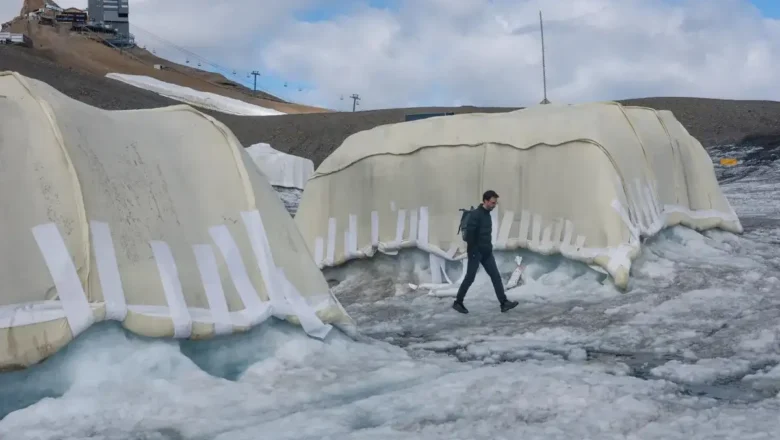
  Swiss scientists have found that sheep’s wool could offer an environmentally friendly alternative to plastic sheets used to slow glacier melting, after a 200 square metre trial on the Tsanfleuron Glacier showed promising early results. The “Keep It Wool” experiment was carried out near the Glacier 3000 resort in western Switzerland, where researchers placed two 100 square metre wool blankets alongside conventional synthetic covers. Measurements taken throughout the summer indicated that the wool slowed ice loss by roughly the same amount as the synthetic geotextiles. Conventional glacier covers can reduce local melting by around 50 to 70 per cent by reflecting sunlight and limiting heat transfer. The wool blankets, made by Swiss textile company Fisolan, also withstood stron...
Niger’s Farmers Show the Great Green Wall a New Ways to Fight the Sahara

Niger’s Farmers Show the Great Green Wall a New Ways to Fight the Sahara

Breaking News
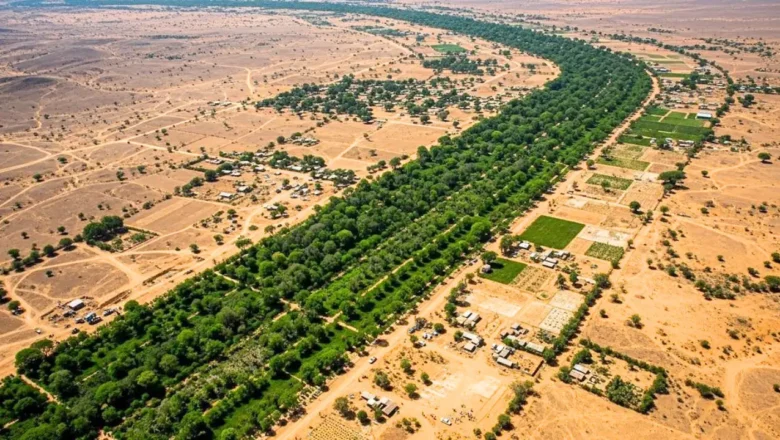
  Africa’s ambitious Great Green Wall project is shifting away from simply planting millions of trees and embracing a method developed by farmers in Niger that has helped regenerate an estimated 200 million trees naturally. The Great Green Wall launched by the African Union in 2007 was initially envisioned as an 8,000 kilometre belt of trees stretching from Senegal to Djibouti to combat desertification and land degradation across the Sahel. However, many planted seedlings struggled to survive the region’s harsh conditions. The breakthrough came from Australian agronomist Tony Rinaudo, who in the 1980s discovered that seemingly barren farmland in Niger still contained living tree stumps and extensive root systems beneath the soil. Rather than planting new trees farmers could p...
AI Could Strengthen Flood Prediction and Water Management Experts Say

AI Could Strengthen Flood Prediction and Water Management Experts Say

Breaking News
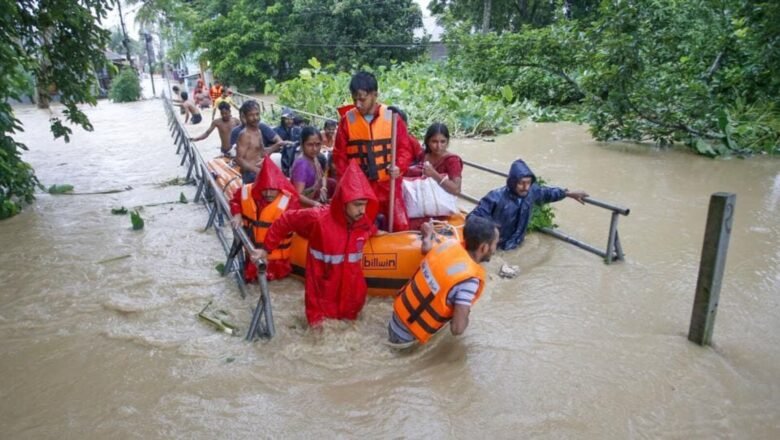
  Madanapalle, September 9: Artificial intelligence (AI), when combined with real time sensor data, satellite imagery and weather forecasts, could significantly improve flood prediction, water management and climate monitoring, experts said at a science workshop in Andhra Pradesh. The observations were made during a two day Science Academies Workshop on “AI and Space Technologies for Climate and Resource Monitoring” held at Madanapalle Institute of Technology and Science (MITS) Deemed to be University in Annamayya district. Indian Institute of Science (IISc), Bengaluru professor D. Nagesh Kumar said integrating data from sensors, satellites and weather forecasting systems with AI could support smarter water resource management. Such systems could help authorities anticipat...
One Last Monsoon Surge Coming Rains May Return From September 12

One Last Monsoon Surge Coming Rains May Return From September 12

Breaking News
India could see one final widespread spell of monsoon rain between September 12 and 21, with parts of Central, South, East and West India likely to receive showers and thunderstorms. The expected revival could temporarily strengthen the weakening southwest monsoon and provide some relief to farmers ahead of the season withdrawal. September rainfall is particularly important for maintaining soil moisture and supporting crops during key growth stages. Satellite observations from INSAT-3DS show reduced cloud cover over much of northwest India, while convective activity remains over eastern and southern parts of the country. However, the rainfall surge may not substantially change the overall monsoon picture. India seasonal rainfall deficit is reported at around 14% below normal, foll...
Six Decades of Fault Logs Reveal a Rise in North Atlantic plastic

Six Decades of Fault Logs Reveal a Rise in North Atlantic plastic

Breaking News
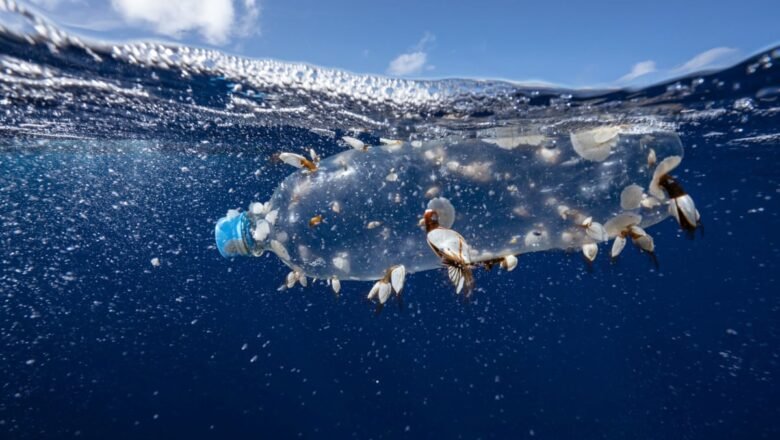
A plankton monitoring device towed behind commercial ships has accidentally created one of the longest records of floating plastic pollution in the North Atlantic with researchers finding a clear rise in plastic entanglements over six decades. The Continuous Plankton Recorder, which filters seawater through silk mesh at about seven metres below the surface, has been towed across the North Atlantic since 1957. Between 1957 and 2016, it completed 16,725 tows covering more than 6.5 million nautical miles. Researchers led by Clare Ostle of the Marine Biological Association examined decades of maintenance records originally created to document equipment failures. They identified 208 confirmed cases in which the recorder became entangled with man made plastic debris. The first recorded ...
100–150 Eagle Rays Gather Beneath Tuna farm off Malta

100–150 Eagle Rays Gather Beneath Tuna farm off Malta

Breaking News
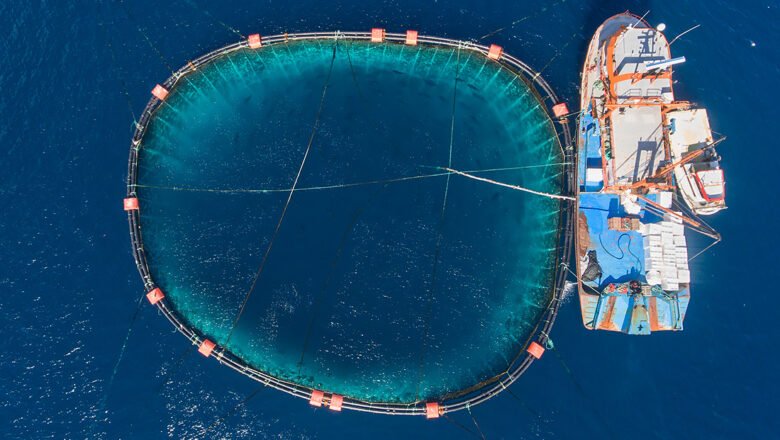
  More than 100 common eagle rays were recorded gathering beneath a tuna farm off Malta in what scientists believe could be the largest aggregation of the species ever documented. The unusual gathering was observed during underwater monitoring in October 2024, when researchers used a remotely operated vehicle to survey the seabed beneath tuna cages at depths of about 50–55 metres. An estimated 100–150 common eagle rays (Myliobatis aquila) were seen around one of the cages. Researchers surveyed eight of the farm’s 24 tuna cages along with four nearby reference sites. The largest concentration occurred beneath a cage where leftover fish used to feed the tuna had accumulated on the seabed. The video footage showed the rays actively feeding on the dead fish. By contrast, only ...