Tuesday, September 22News That Matters

Month: August 2026

Ancient Antarctic Seawater Trapped Beneath Ice Revealed by Microbial DNA

Ancient Antarctic Seawater Trapped Beneath Ice Revealed by Microbial DNA

Breaking News
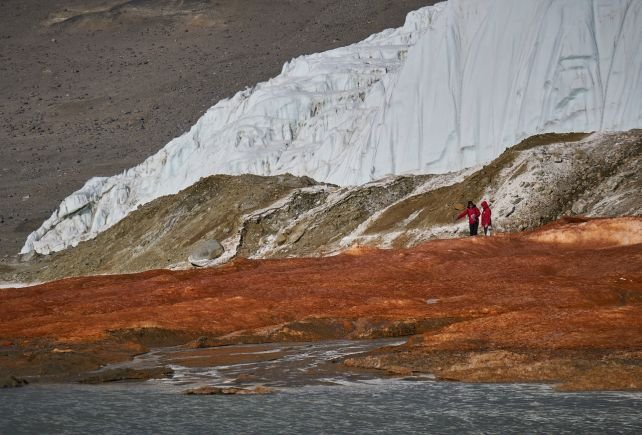
  Scientists have discovered evidence of an ancient seawater reservoir hidden beneath Antarctica ice after detecting marine microbial DNA in an iron rich red brine pool in the McMurdo Dry Valleys, according to a study published in Nature Geoscience. Researchers found environmental DNA belonging to marine microorganisms in the highly saline underground brine, supporting the theory that ancient seawater became trapped beneath expanding glaciers and remained isolated for thousands of years. The study explains that the brine's distinctive red colour is caused by iron rich water reacting with oxygen when it reaches the surface, rather than by algae or pigmented microbes. The McMurdo Dry Valleys, the largest ice free region in Antarctica, receive very little snowfall and have ex...
Agasthyamalai Eviction Orders Raise Concerns Over Forest Rights Act Implementation

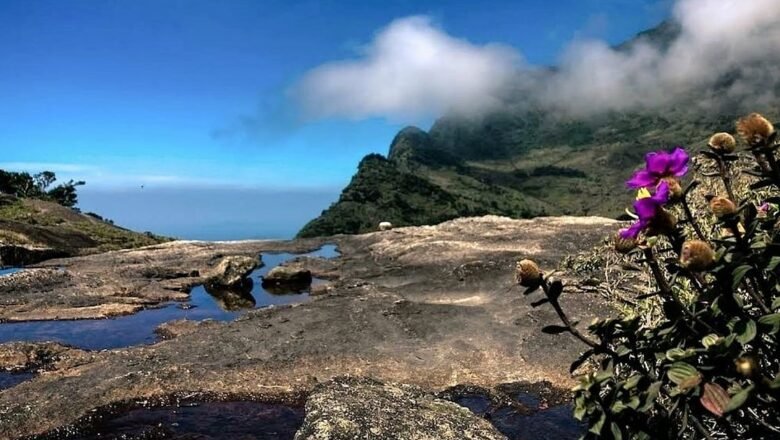
Agasthyamalai Eviction Orders Raise Concerns Over Forest Rights Act Implementation

Breaking News
  Fresh eviction orders issued in the Agasthyamalai Biosphere Reserve have reignited concerns over the implementation of the Forest Rights Act (FRA), with experts alleging that authorities and the judiciary are misinterpreting key provisions of the law. Agasthyamalai, a 3,500 square kilometre biosphere reserve spread across Tamil Nadu and Kerala, is home to several indigenous and traditional forest dwelling communities whose rights are protected under the Scheduled Tribes and Other Traditional Forest Dwellers (Recognition of Forest Rights) Act, 2006. According to the report, the recent eviction actions continue a pattern of restricting the rights of forest dependent communities despite legal safeguards provided under the FRA. The article argues that the FRA does not requir...
Super El Niño and positive Indian Ocean Dipole may combine to reshape weather patterns

Super El Niño and positive Indian Ocean Dipole may combine to reshape weather patterns

Breaking News
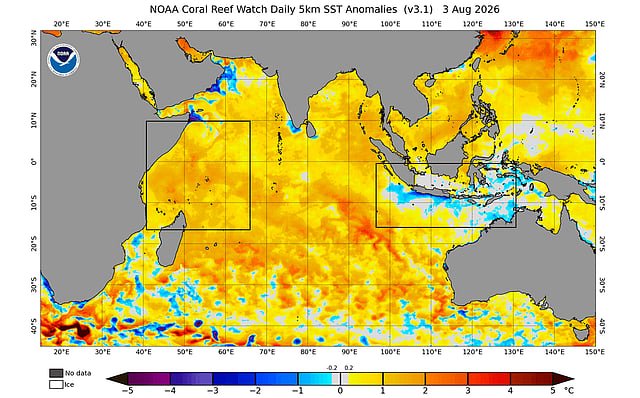
  New Delhi, August 8, 2026: A rapidly strengthening El Niño in the equatorial Pacific Ocean is expected to coincide with a positive Indian Ocean Dipole (IOD) between August and October, potentially producing significant changes in temperature and rainfall patterns around the world, according to the World Meteorological Organization (WMO). The developing El Niño is already being described by some climate experts as exceptionally strong. Forecasts indicate that sea surface temperature anomalies in the Niño 3.4 region could exceed 2.9°C during the August-October period, putting the event among the strongest El Niño episodes on record.  El Niño intensifies rapidly El Niño is the warm phase of the El Niño Southern Oscillation a natural climate pattern involving changes in ocea...
Massive cloud build up over Indian Ocean: Will it trigger heavy rain in India?

Massive cloud build up over Indian Ocean: Will it trigger heavy rain in India?

Breaking News
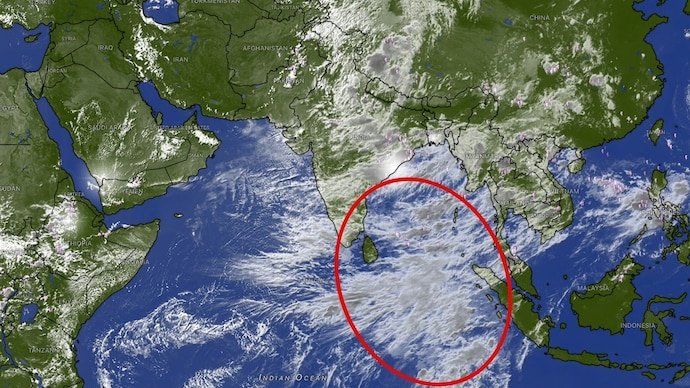
  New Delhi, August 8, 2026: A massive shield of towering clouds has developed over large parts of the Indian Ocean, signalling strong atmospheric activity and an abundant supply of moisture. However, meteorologists say the current cloud build-up does not necessarily mean that India is about to witness a widespread spell of heavy rainfall. Latest thermal infrared imagery from INSAT-3DS shows an extensive cloud mass stretching across the equatorial and central Indian Ocean. The bright white cloud tops indicate extremely cold clouds rising to heights of around 15–16 kilometres, suggesting strong thunderstorm activity over the ocean. At first glance, the widespread convection could appear to be a sign of a strengthening southwest monsoon. However, weather experts point out that ...
Agasthyamalai Eviction Orders Raise Concerns Over Forest Rights Act Implementation

Agasthyamalai Eviction Orders Raise Concerns Over Forest Rights Act Implementation

Breaking News
  Fresh eviction orders issued in the Agasthyamalai Biosphere Reserve have reignited concerns over the implementation of the Forest Rights Act (FRA), with experts alleging that authorities and the judiciary are misinterpreting key provisions of the law. Agasthyamalai, a 3,500 square kilometre biosphere reserve spread across Tamil Nadu and Kerala, is home to several indigenous and traditional forest dwelling communities whose rights are protected under the Scheduled Tribes and Other Traditional Forest Dwellers (Recognition of Forest Rights) Act, 2006. According to the report, the recent eviction actions continue a pattern of restricting the rights of forest dependent communities despite legal safeguards provided under the FRA. The article argues that the FRA does not requir...
Positive Indian Ocean Dipole joins Strengthening Super El Niño Could Reshape Northern Hemisphere Winter

Positive Indian Ocean Dipole joins Strengthening Super El Niño Could Reshape Northern Hemisphere Winter

Breaking News
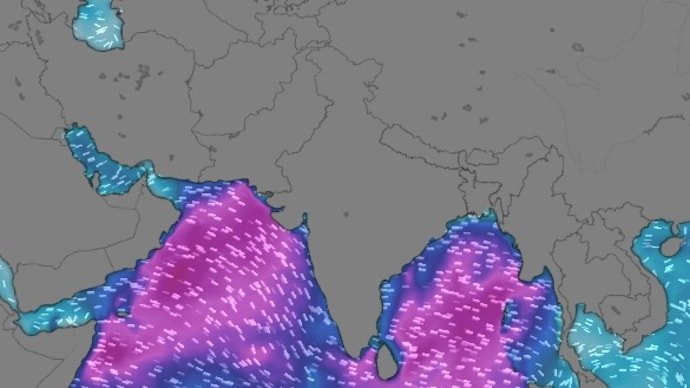
  A developing positive Indian Ocean Dipole (IOD) coupled with a rapidly intensifying Super El Niño in the Pacific Ocean, could significantly influence weather patterns across the Northern Hemisphere during the 2026–27 winter according to the latest long range seasonal forecasts. The emerging IOD characterised by warmer than normal waters in the western Indian Ocean and cooler waters in the eastern basin, is expected to persist through autumn and into early winter. Meteorologists say this tropical ocean pattern may work in tandem with the strengthening Super El Niño, amplifying atmospheric circulation and altering jet stream behaviour across North America and Europe. The Indian Ocean Dipole is a climate phenomenon caused by contrasting sea surface temperatures between the eas...
Deep Sea Snails and Mussels Found Contaminated with Microplastics in Indian and Pacific Oceans

Deep Sea Snails and Mussels Found Contaminated with Microplastics in Indian and Pacific Oceans

Breaking News
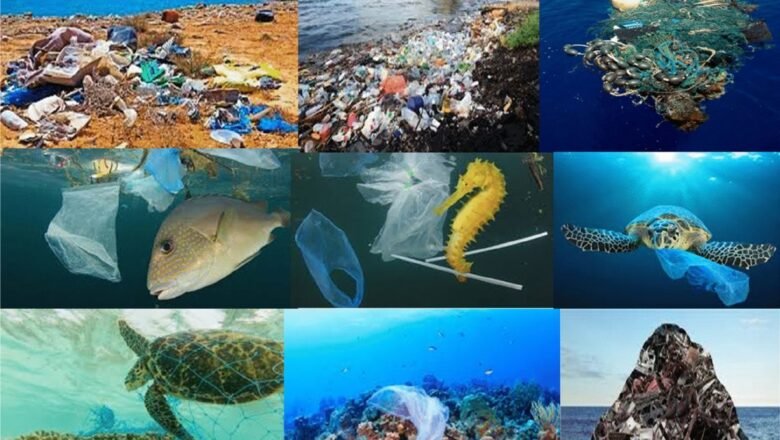
  Microplastics have reached some of the world's most remote marine ecosystems with a new study detecting plastic particles in nearly all deep sea snails and mussels sampled from hydrothermal vents in the Indian Ocean and the southwestern Pacific Ocean. The study published in Water Research, analysed 12 mussels and snails collected from hydrothermal vents nearly 2,000 metres below the ocean surface during research expeditions conducted between 2016 and 2019. Researchers found microplastics in 11 of the 12 animals examined. Scientists from the Korea Research Institute of Bioscience and Biotechnology said the findings reveal that plastic pollution has penetrated even isolated deep sea environments. They noted that the chemical signature found in animals living thousands of metr...
Ancient Arctic Carbon Largely Trapped in Seabed Despite Permafrost Thaw

Ancient Arctic Carbon Largely Trapped in Seabed Despite Permafrost Thaw

Breaking News
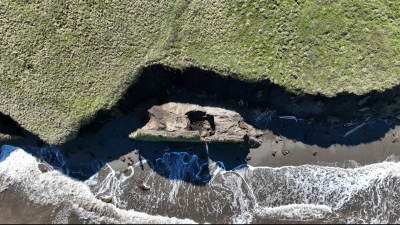
  Thawing Arctic permafrost is releasing vast amounts of ancient carbon into the ocean, but most of it is being locked away in seabed sediments instead of returning to the atmosphere as greenhouse gases, according to a study published in Nature Geoscience. Researchers from the Alfred Wegener Institute (AWI) and MARUM Centre for Marine Environmental Sciences studied sediment cores collected off Canada's Herschel Island (Qikiqtaruk) to understand the fate of carbon released from thawing permafrost. The Arctic's permafrost stores around 1,300 gigatonnes of organic carbon on land, while another 400 gigatonnes are trapped in marine sediments and river deltas. As rising temperatures accelerate permafrost thaw and coastal erosion, scientists estimate that up to 0.02 gigatonnes of ca...
Coastal Cities Sinking Faster Than Rising Seas Worsening Flood Risks

Coastal Cities Sinking Faster Than Rising Seas Worsening Flood Risks

Breaking News
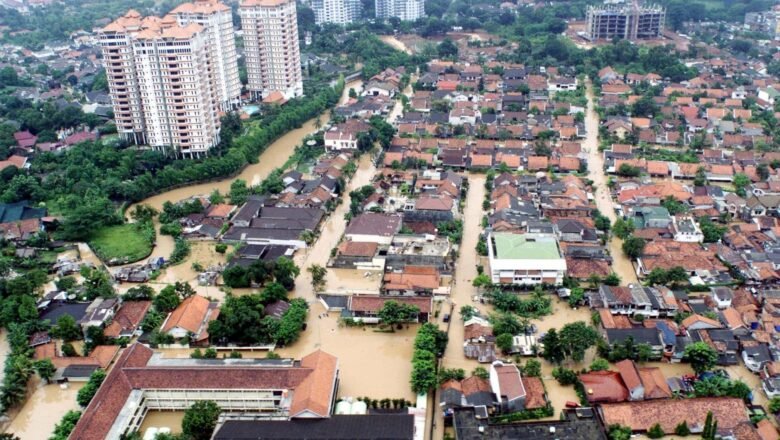
  Coastal communities around the world are facing an increasing flood threat as the land beneath many cities continues to sink, causing residents to experience sea level rise at nearly three times the global average, according to a study published in Nature Communications. Researchers from the Technical University of Munich (TUM) and Tulane University found that people living in densely populated coastal regions are experiencing an average relative sea level rise of about 6 millimetres per year, compared to the global coastal average of 2.1 millimetres annually. The study attributes the accelerated rise primarily to land subsidence the gradual sinking of the ground caused by excessive groundwater extraction, oil and gas production, sediment compaction in river deltas, rapid u...
Mumbai to Install CCTV Cameras at Garbage Hotspots to Curb Illegal Waste Dumping

Mumbai to Install CCTV Cameras at Garbage Hotspots to Curb Illegal Waste Dumping

Breaking News
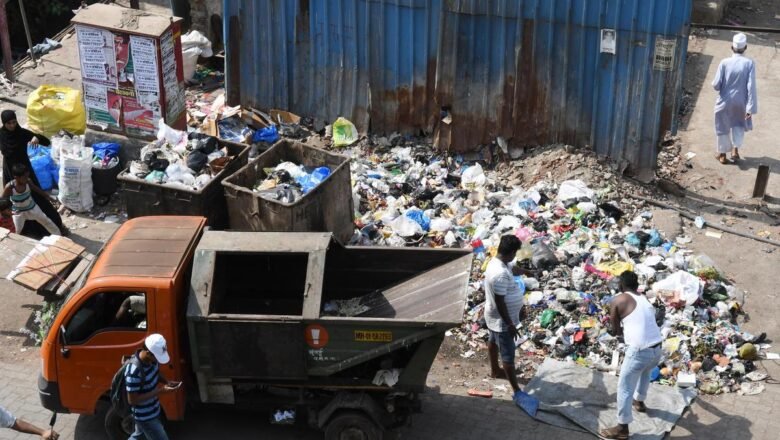
  The Brihanmumbai Municipal Corporation (BMC) has launched a citywide cleanliness campaign aimed at tackling illegal waste dumping and improving sanitation across Mumbai and its suburbs. The initiative follows directions from the Bombay High Court and focuses on strengthening waste management through surveillance and stricter enforcement. As part of the campaign, CCTV cameras will be installed at Garbage Vulnerable Points (GVPs) where waste is frequently dumped. These locations have been identified and mapped ward wise using Google Maps to help officials monitor recurring dumping, analyse the type of waste, and address gaps in waste collection and disposal. Municipal Commissioner Ashwini Bhide has directed Assistant Commissioners in all wards to conduct regular inspections a...