Tuesday, September 22News That Matters

Month: August 2026

Plastic Recycling Breakthrough Uses only Water and Oxygen to Create Valuable Chemicals

Plastic Recycling Breakthrough Uses only Water and Oxygen to Create Valuable Chemicals

Breaking News
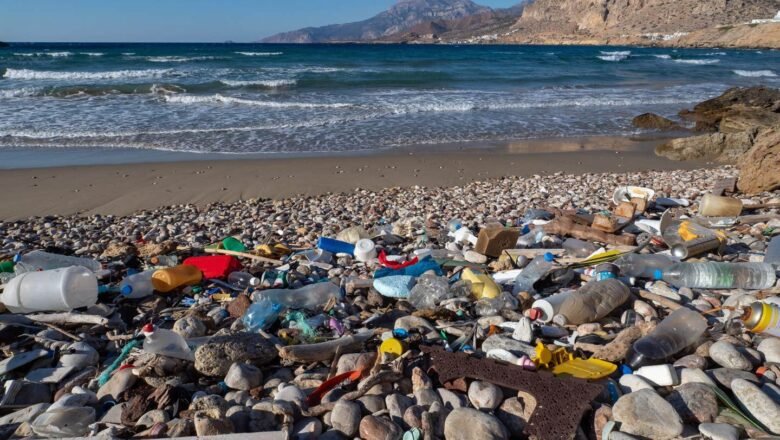
Researchers from Zhejiang University, in collaboration with Cardiff University and the University of Tokyo, have developed a catalyst free recycling process that converts plastic waste into valuable industrial chemicals using only water and oxygen. The new method breaks down hard to recycle plastics such as polyethylene (PE) and polypropylene (PP) without using expensive or toxic catalysts. Instead, molten plastic is heated and stirred in water, forming microscopic droplets where naturally generated hydroxyl radicals break long plastic chains into smaller, useful molecules. The process converts mixed and contaminated plastic waste into organic acids, which are widely used in pharmaceuticals, food additives, and biodegradable materials. In laboratory tests, nearly all polyethylene was...
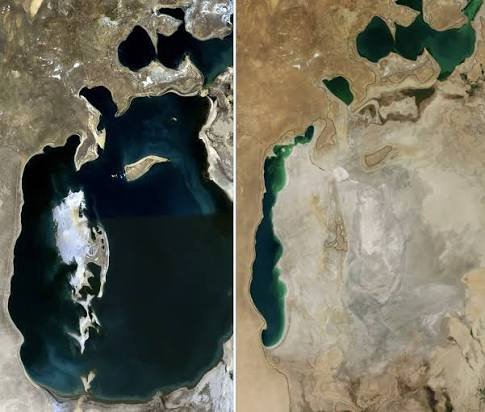
Drying Aral Sea has Release 825 Million Tonnes of Carbon Dioxide Since 1960

Drying Aral Sea has Release 825 Million Tonnes of Carbon Dioxide Since 1960

Breaking News
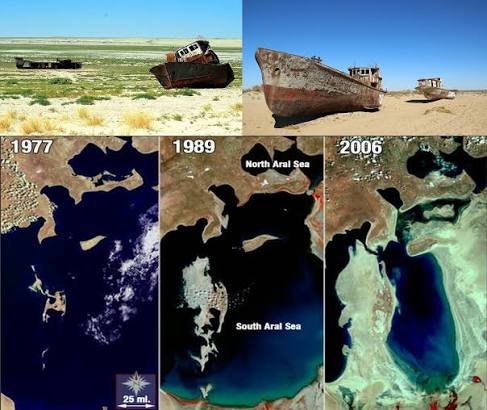
  The shrinking Aral Sea has released an estimated 825 million tonnes (748 million metric tonnes) of carbon dioxide since 1960, transforming what was once one of the world's largest inland lakes into a major source of greenhouse gas emissions, according to a study published in the journal Science. Researchers found that as the Aral Sea dried up due to large scale river diversions for irrigation, its exposed lake bed began releasing carbon that had remained trapped in sediments for centuries. Around half of these emissions occurred within the first 15 years after each section of the lake bed dried. The study estimates that the dried lake bed has emitted carbon dioxide equivalent to nearly three times Spain's annual emissions, while newly established vegetation has offset less ...
Indigenous knowledge Helping Communities Adapt to Climate Change Says Report

Indigenous knowledge Helping Communities Adapt to Climate Change Says Report

Breaking News
  Traditional ecological knowledge passed down through generations is gaining renewed attention as scientists and policymakers recognise its value in understanding and adapting to climate change. For centuries, indigenous communities have relied on observations of plants, animals, birds, insects, stars and seasonal changes to anticipate rainfall, droughts and other environmental shifts. These local forecasting systems continue to influence farming decisions in many regions. In Jharkhand's Khunti district, members of the Munda community monitor the flowering and fruiting of the aankhor tree (Alangium salvifolium) as an indicator of the upcoming monsoon. This year, the tree failed to flower, leading some farmers to switch from water-intensive paddy cultivation to crops such as fin...
Aral Sea Emits 825 Million Tonnes of Carbon Dioxide After Decades of Drying

Aral Sea Emits 825 Million Tonnes of Carbon Dioxide After Decades of Drying

Breaking News
  The dried bed of the Aral Sea once the world's fourth largest lake, has released an estimated 825 million tonnes (748 million metric tonnes) of carbon dioxide between 1960 and 2022, according to a study published in Science. Researchers found that the exposed lakebed, created after the diversion of rivers for irrigation in the 1960s, has turned from a natural carbon sink into a major source of greenhouse gas emissions. Around half of the emissions occurred within the first 15 years after the lakebed was exposed, while new vegetation absorbed less than one per cent of the released carbon. The study also found that nearly 20 per cent of the stored carbon was carried away as dust rather than being released directly as carbon dioxide, highlighting an overlooked pathway in globa...
A Massive Iceberg Flips off Greenland Coast Amid Accelerating Iceberg Loss

A Massive Iceberg Flips off Greenland Coast Amid Accelerating Iceberg Loss

Breaking News
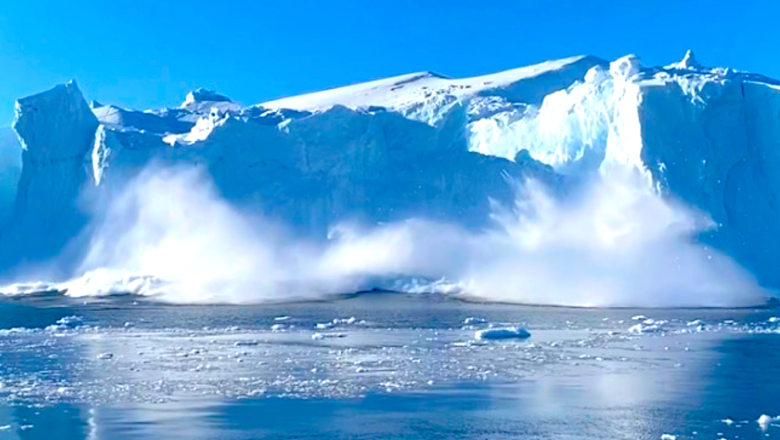
  A giant iceberg off the coast of Ilulissat, Greenland, dramatically flipped over on July 25, creating large waves and drawing global attention after the rare event was captured on video. The footage recorded by AfarTV's high definition livestream camera near the entrance to the UNESCO World Heritage listed Ilulissat Icefjord, shows the enormous iceberg performing a full rotation, or "somersault," as its balance shifted. According to AfarTV, large icebergs often become trapped or grounded near the mouth of the Ilulissat Icefjord, where they gradually melt and fracture into smaller pieces before drifting into Disko Bay. It is not known when this particular iceberg originally broke away from the glacier. Greenland, the world's largest island, is covered by an ice sheet span...
Northern Hemisphere Lakes Could Lose up to 40 Days of Winter Ice by 2100

Northern Hemisphere Lakes Could Lose up to 40 Days of Winter Ice by 2100

Breaking News
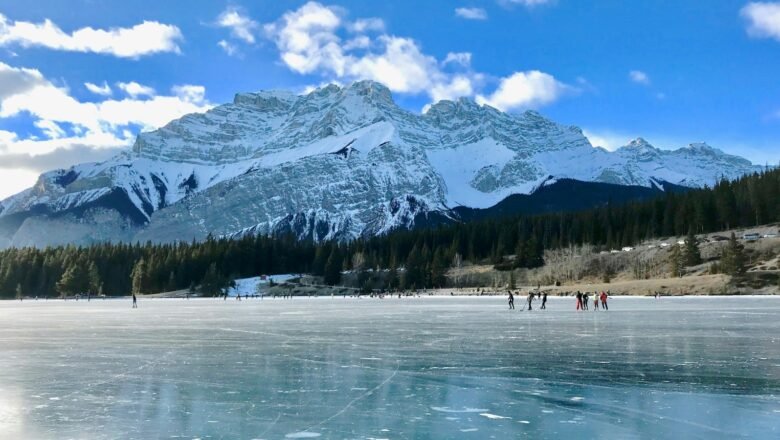
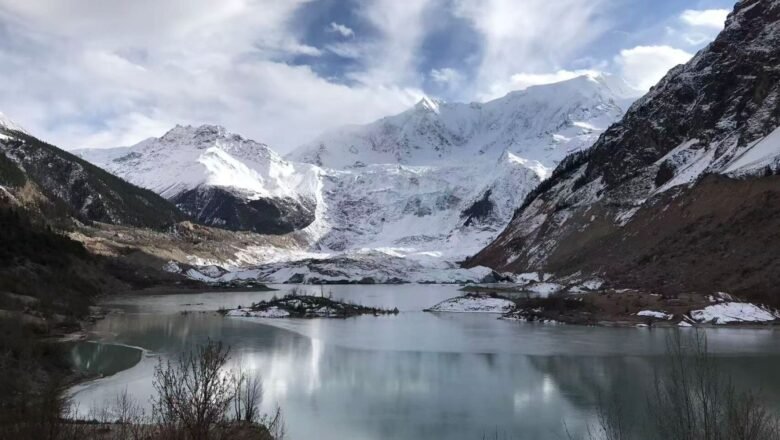
Winter ice cover on lakes across the Northern Hemisphere could shrink by around 40 days by the end of the century if greenhouse gas emissions remain high, according to a study published in the Proceedings of the National Academy of Sciences (PNAS). Researchers analysed ice records from 724 lakes between 2000 and 2022 and found that spring ice melt is occurring much faster than autumn freeze up is being delayed. Once average winter temperatures rise above critical thresholds between -13.7°C and -6.8°C, lake ice loss accelerates sharply, with sensitivity to warming increasing by up to 22 times. The study found that nearly 23 per cent of the analysed lakes have already crossed these thresholds, a figure projected to rise to 70 per cent under a high emissions scenario. Scientists said...
Land Subsidence is Accelerating Sea Level Rise in Coastal Cities: Study

Land Subsidence is Accelerating Sea Level Rise in Coastal Cities: Study

Breaking News
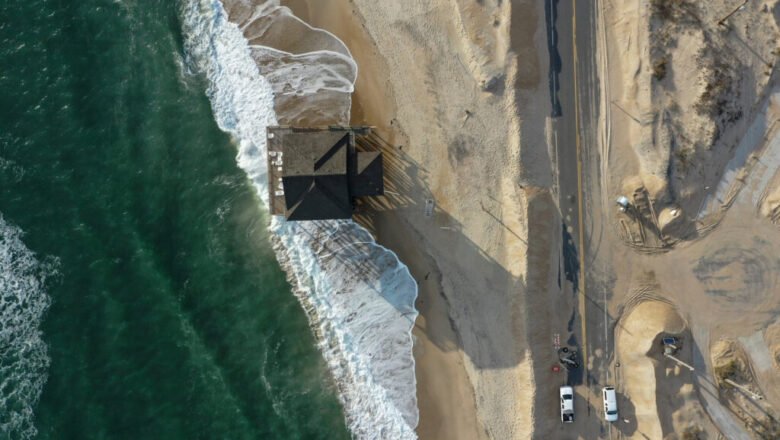
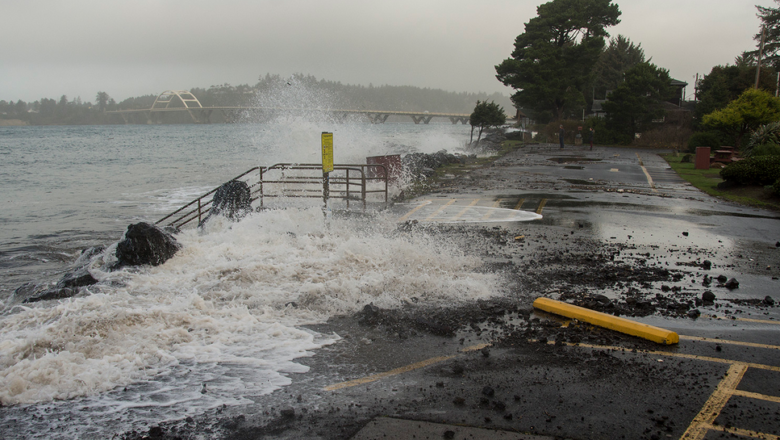
  Millions of people living in coastal regions are experiencing sea level rise nearly three times faster than the global average because the land beneath them is sinking according to a study published in Nature Communications. Researchers from the Technical University of Munich and Tulane University found that residents in densely populated coastal regions face an average relative sea level rise of about six millimetres per year, compared with the global coastal average of 2.1 millimetres annually. The study identified groundwater extraction, oil and gas production, urban development, sediment compaction and geological processes as major causes of land subsidence. Countries including Thailand, Bangladesh, Indonesia, China, Nigeria and Egypt recorded some of the highest rat...
Delhi Air Pollution Accelerating Decay of Humayun’s Tomb IIT Study Warns

Delhi Air Pollution Accelerating Decay of Humayun’s Tomb IIT Study Warns

Breaking News
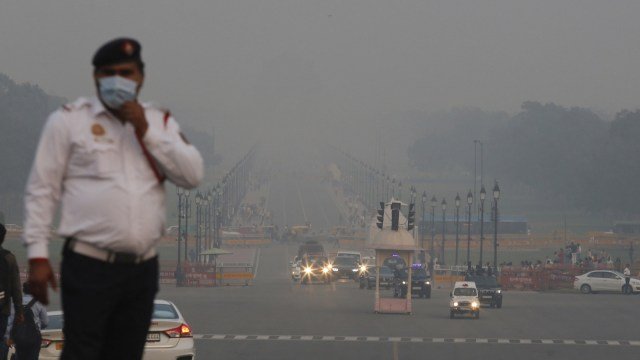
  Air pollution is accelerating the deterioration of Delhi UNESCO World Heritage Site Humayun's Tomb by causing the formation of pollutant rich black crusts on its sandstone surfaces according to a joint study by IIT Kanpur and IIT Roorkee. Published in the International Journal of Architectural Heritage, the study found that these black crusts are mainly composed of gypsum a sulphate mineral formed when calcium from road dust reacts with sulphur compounds present in polluted air. The deposits also contain carbon rich particles and trace heavy metals linked to urban pollution. Researchers collected five black crust samples from rain sheltered rooftop sections of the monument under the supervision of the Archaeological Survey of India. To protect the heritage structure, only t...
Land Subsidence is Accelerating Sea Level Rise in Coastal Cities: Study

Land Subsidence is Accelerating Sea Level Rise in Coastal Cities: Study

Breaking News
  Millions of people living in coastal regions are experiencing sea level rise nearly three times faster than the global average because the land beneath them is sinking according to a study published in Nature Communications. Researchers from the Technical University of Munich and Tulane University found that residents in densely populated coastal regions face an average relative sea level rise of about six millimetres per year, compared with the global coastal average of 2.1 millimetres annually. The study identified groundwater extraction, oil and gas production, urban development, sediment compaction and geological processes as major causes of land subsidence. Countries including Thailand, Bangladesh, Indonesia, China, Nigeria and Egypt recorded some of the highest rat...
Northern Hemisphere Lakes Could Lose up to 40 Days of Winter Ice by 2100

Northern Hemisphere Lakes Could Lose up to 40 Days of Winter Ice by 2100

Breaking News
  Winter ice cover on lakes across the Northern Hemisphere could shrink by around 40 days by the end of the century if greenhouse gas emissions remain high, according to a study published in the Proceedings of the National Academy of Sciences (PNAS). Researchers analysed ice records from 724 lakes between 2000 and 2022 and found that spring ice melt is occurring much faster than autumn freeze up is being delayed. Once average winter temperatures rise above critical thresholds between -13.7°C and -6.8°C, lake ice loss accelerates sharply, with sensitivity to warming increasing by up to 22 times. The study found that nearly 23 per cent of the analysed lakes have already crossed these thresholds, a figure projected to rise to 70 per cent under a high emissions scenario. Scien...