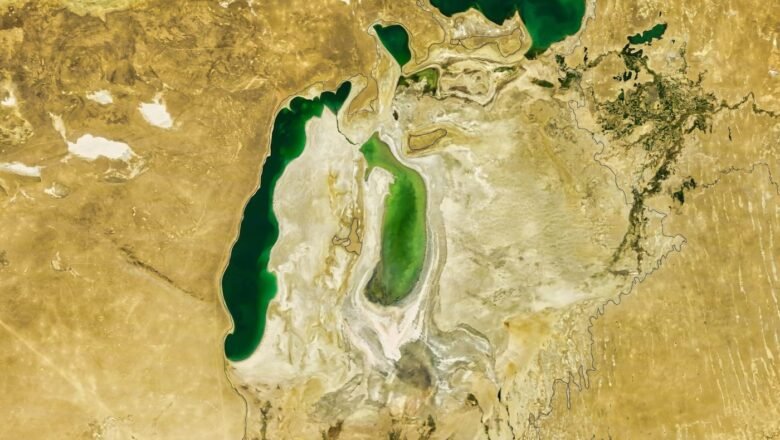
Aral Sea Emits 825 Million Tonnes of Carbon Dioxide After Decades of Drying
The dried bed of the Aral Sea once the world's fourth largest lake, has released an estimated 825 million tonnes (748 million metric tonnes) of carbon dioxide between 1960 and 2022, according to a study published in Science.
Researchers found that the exposed lakebed, created after the diversion of rivers for irrigation in the 1960s, has turned from a natural carbon sink into a major source of greenhouse gas emissions. Around half of the emissions occurred within the first 15 years after the lakebed was exposed, while new vegetation absorbed less than one per cent of the released carbon.
The study also found that nearly 20 per cent of the stored carbon was carried away as dust rather than being released directly as carbon dioxide, highlighting an overlooked pathway in globa...