Monday, September 21News That Matters

Month: August 2026

India Battery Recycling Market Projected to Reach $1.32 Billion by 2034

India Battery Recycling Market Projected to Reach $1.32 Billion by 2034

Breaking News
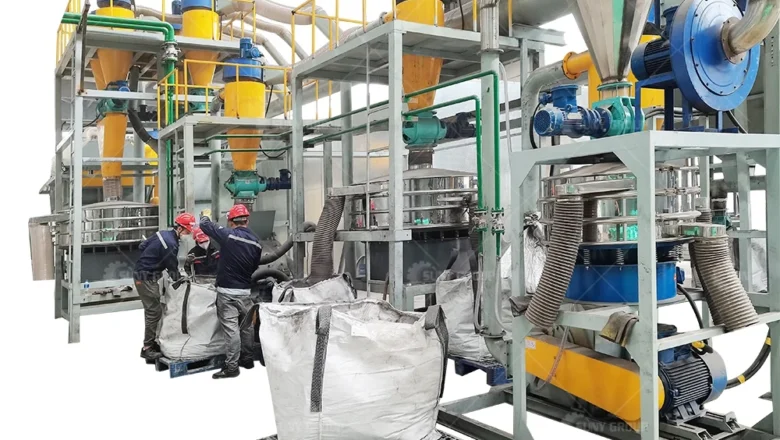
  India’s battery recycling market is projected to grow from $603.9 million in 2025 to $1.32 billion by 2034, driven by the rapid adoption of electric vehicles, stricter battery waste regulations and the growing need to recover critical minerals such as lithium, cobalt and nickel. The market is expected to expand at a compound annual growth rate of 8.65% between 2026 and 2034. Lead acid batteries currently dominate India’s recycling market, accounting for 46.8% of the sector in 2025. However, lithium-ion batteries, which held a 32.4% share, are expected to witness faster growth due to rising EV sales, increasing e-waste and expanding energy storage systems. The automotive sector accounted for the largest share of battery recycling demand, followed by industrial and electro...

Cold War Nuclear Tests Help Scientists Discover Adult Heart Cells Can Regenerate

Cold War Nuclear Tests Help Scientists Discover Adult Heart Cells Can Regenerate

Breaking News
  Scientists used radioactive carbon-14 released during Cold War nuclear tests to determine whether the adult human heart can produce new muscle cells. Above ground nuclear tests conducted between 1955 and 1963 nearly doubled the amount of carbon-14 in the atmosphere. The isotope entered the food chain and eventually became incorporated into human DNA, creating a unique timestamp that researchers could use to estimate when cells were formed. For decades, scientists believed that heart muscle cells, known as cardiomyocytes, were created early in life and remained largely unchanged throughout adulthood. However, researchers later analysed carbon-14 levels in the DNA of heart cells and found evidence that adult hearts can generate new cardiomyocytes. A 2009 study estimated...
Banana Waste Boosts Biogas Production With Low Caustic Soda Doses

Banana Waste Boosts Biogas Production With Low Caustic Soda Doses

Breaking News
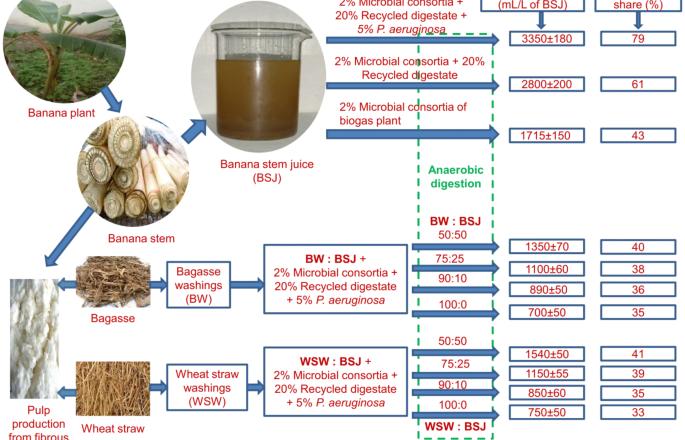
  São Paulo: Scientists have found that using small amounts of caustic soda can significantly improve biogas production from banana waste, offering a more cost-effective and environmentally friendly way to convert agricultural waste into renewable energy. The study, conducted by researchers at São Paulo State University (UNESP), examined banana peels and other parts of the fruit unsuitable for sale. These wastes contain high amounts of organic material, but their energy potential is difficult to access because plant compounds such as cellulose and lignin restrict microorganisms from reaching fermentable sugars. Researchers used a thermo-alkaline pretreatment method, heating the banana waste with different concentrations of sodium hydroxide, commonly known as caustic soda. The...
NGT Directs Delhi Pollution Body to Recover ₹10 Lakh From Kondli Sewage Treatment Plants

NGT Directs Delhi Pollution Body to Recover ₹10 Lakh From Kondli Sewage Treatment Plants

Breaking News
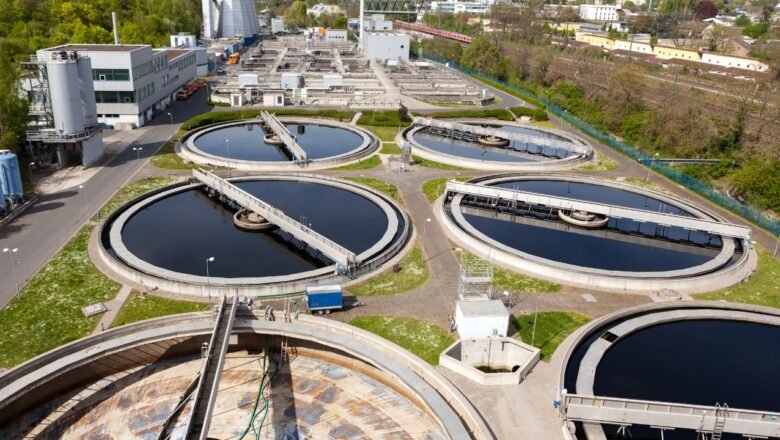
The National Green Tribunal (NGT) has directed the Delhi Pollution Control Committee (DPCC) to expedite the recovery of ₹10 lakh in compensation related to environmental non-compliance at the Kondli sewage treatment plants (STPs) in East Delhi. In an order passed on 14 August and released on 18 August 2026 the NGT also directed authorities to continue monitoring the functioning of the Kondli STPs to ensure compliance with environmental standards and prevent foul odour or untreated wastewater from affecting nearby residential areas. The case originated from a 2023 application filed by Nature Foundation India, which alleged that the STPs in Kondli and Mayur Vihar had failed to comply with environmental norms and were releasing foul smelling and potentially harmful emissions. The Kon...
Barnacles Emerge as Unexpected Challenge for Singapore’s Floating Solar Farm

Barnacles Emerge as Unexpected Challenge for Singapore’s Floating Solar Farm

Breaking News
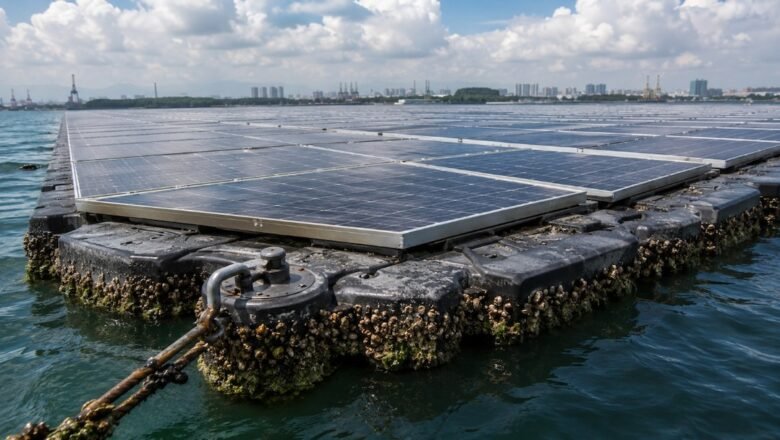
Singapore effort to expand renewable energy into the sea has encountered an unexpected challenge marine organisms such as barnacles, algae and sea squirts attaching themselves to floating solar infrastructure. The Woodlands Sea Based Floating Photovoltaic System, located in the Strait of Johor, consists of more than 13,000 solar panels spread across about 12 acres of water. The project was developed to overcome Singapore’s limited availability of land for large scale solar farms. The five megawatt floating solar facility uses more than 30,000 pontoons and generates around six million kilowatt hours of electricity annually. According to the Singapore Economic Development Board, the installation can help avoid more than 4,000 tonnes of carbon emissions each year. Engineers initially...
Scandinavia Land Is Rising Nearly 1 Centimetre a Year as Ice Age Legacy Reshapes Coastlines

Scandinavia Land Is Rising Nearly 1 Centimetre a Year as Ice Age Legacy Reshapes Coastlines

Breaking News
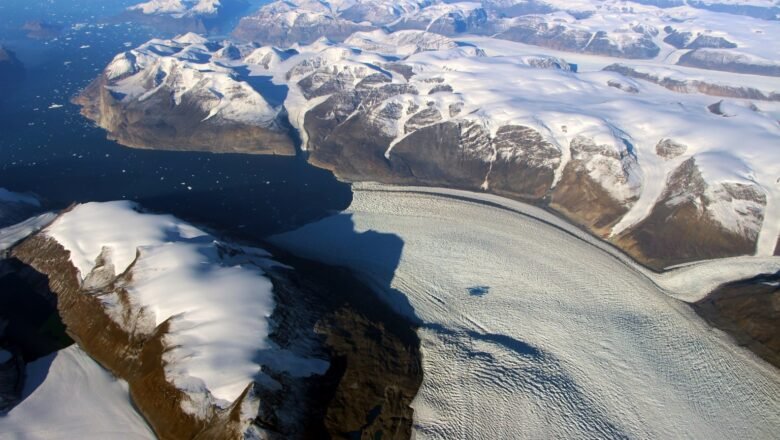
  Parts of northern Scandinavia are continuing to rise nearly 1 centimetre every year thousands of years after the enormous glaciers of the last Ice Age disappeared gradually transforming coastlines around the Gulf of Bothnia. The phenomenon known as glacial isostatic adjustment, occurs because Earth crust is still recovering from the immense weight of the Scandinavian ice sheet that once covered the region. At its maximum around 20,000 years ago the ice sheet was up to about 3 kilometres thick in some areas and pushed the land downward. Although the glaciers disappeared roughly 10,000 years ago the crust continues to rebound as the pressure beneath it readjusts. The uplift is strongest around the Gulf of Bothnia particularly near northern Sweden. According to the NKG2016L...
Ocean Produces About Half of Earth Annual Oxygen Scientists Say

Ocean Produces About Half of Earth Annual Oxygen Scientists Say

Breaking News
  The ocean, rather than rainforests alone, plays a major role in producing the oxygen generated on Earth each year, with microscopic phytoplankton responsible for roughly half of global photosynthetic oxygen production. Phytoplankton, including tiny algae and photosynthetic bacteria, live in the sunlit upper layers of oceans. Despite being mostly invisible to the naked eye, these organisms use sunlight and carbon dioxide to produce organic matter and release oxygen through photosynthesis. Scientists estimate that marine and land ecosystems contribute broadly similar amounts to Earth’s total annual oxygen production, although the exact share varies depending on observations, time periods and scientific models. Researchers caution that this does not mean the ocean adds half...
India Launches First Ever Guide to Grasslands and Open Natural Ecosystems

India Launches First Ever Guide to Grasslands and Open Natural Ecosystems

Breaking News
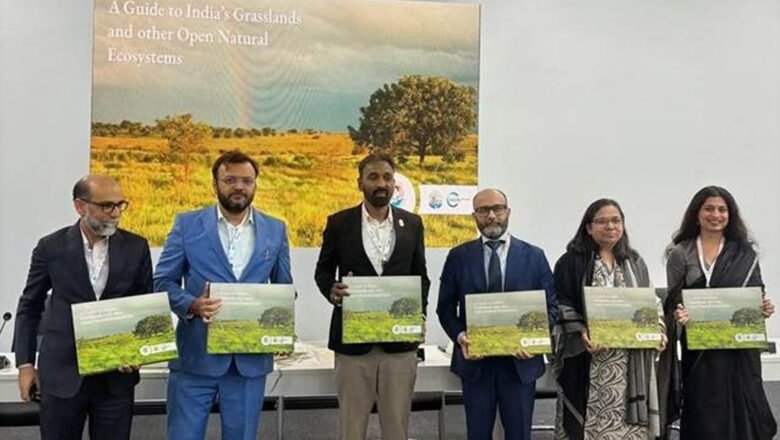
  India has launched its first ever guide to grasslands and other Open Natural Ecosystems (ONEs) highlighting their ecological, biodiversity and socio economic importance. The guide was launched at the 17th Conference of the Parties to the United Nations Convention to Combat Desertification (UNCCD COP17) in Ulaanbaatar, Mongolia. Environment Minister Bhupender Yadav described the initiative as an important step towards recognising and conserving India's grasslands, savannas, deserts, scrublands and other open ecosystems through science based approaches. The guide provides information on the geographical settings, ecological features, biodiversity and communities associated with major open natural ecosystems across India. It also includes thematic sections on pastoralism, f...
42 Million Hectares of Southeast Asian Forests Offer Major Conservation Opportunity

42 Million Hectares of Southeast Asian Forests Offer Major Conservation Opportunity

Breaking News
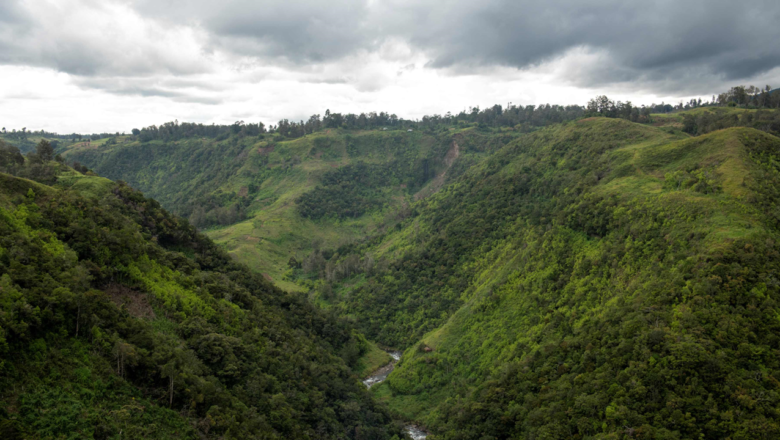
New research has identified around 42 million hectares of intact forests within commercial concessions across Cambodia, Indonesia, Malaysia and Myanmar, highlighting a major untapped opportunity for conservation. Using satellite data, researchers found that these forests are located inside areas designated for logging, timber plantations, rubber and oil palm production. If cleared over the next 30 years, the forests could release an estimated 1.2 gigatons of carbon dioxide into the atmosphere. The study suggests that protecting these forests by encouraging concession holders to choose conservation over land conversion could play an important role in meeting global climate and biodiversity goals. However, researchers warned that carbon markets alone may not provide enough financial...
Indian Marble Waste Dump Becomes Unlikely Tourist Attraction in Rajasthan

Indian Marble Waste Dump Becomes Unlikely Tourist Attraction in Rajasthan

Breaking News
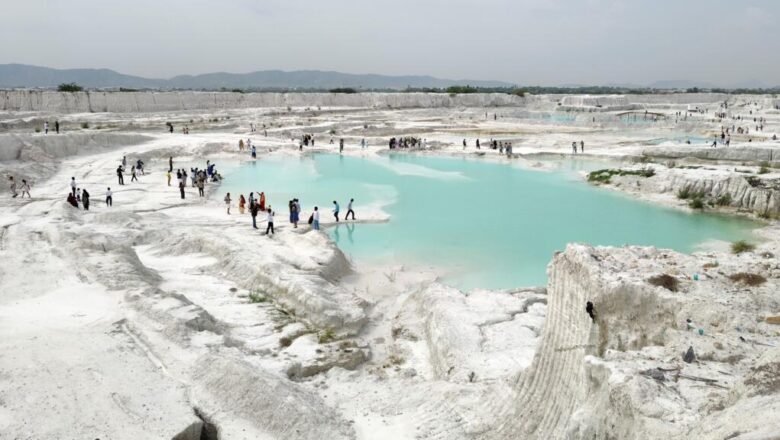
  A vast marble waste disposal site in Kishangarh, Rajasthan has emerged as an unexpected tourist attraction, drawing visitors, photographers, filmmakers and social media enthusiasts with its snow like white landscape. Spread across around 82 acres, the site is covered with white slurry and discarded stone produced during the cutting and polishing of marble and granite. More than 5,500 tonnes of slurry are reportedly dumped there every day from over 1,200 processing units, making it one of Asia's largest marble waste disposal sites. The unusual landscape has become popular for pre-wedding photoshoots, music videos and film shoots. Visitors also ride horses across the white mounds, while pools of blue water that form after rainfall add to the site's striking appearance. How...