Wednesday, September 16News That Matters

Breaking News

Florida Lake Cuts Invasive Hydrilla From 95% to Less Than 1% Using Grass Carp

Florida Lake Cuts Invasive Hydrilla From 95% to Less Than 1% Using Grass Carp

Breaking News
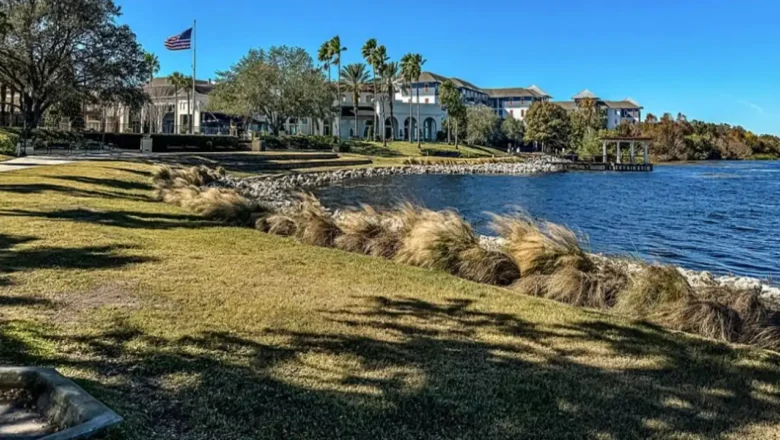
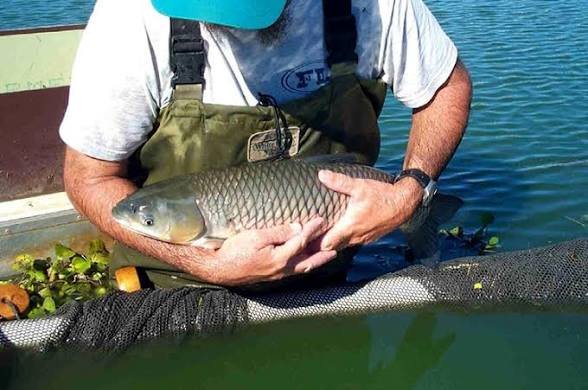
  Lake Baldwin in Florida’s Orlando area has become a notable example of using fish to control an invasive aquatic weed. Wildlife managers introduced grass carp after hydrilla had spread across about 95% of the lake, reducing its coverage to less than 1%. According to the documented case study, the treatment cost about $8,499, or roughly $43 per acre. Grass carp a plant eating fish native to parts of Asia have been used in more than 70 public lakes across Florida to control hydrilla. Hydrilla is not native to Florida and spread through waterways after entering the aquarium trade. The fast growing weed can form dense mats near the water surface, restricting boat traffic, interfering with swimming and fishing, and competing with native aquatic plants. Florida managers began ...
Oregon Treated Diamond Lake With Rotenone After Invasive Fish Caused Trout Fishery Collapse

Oregon Treated Diamond Lake With Rotenone After Invasive Fish Caused Trout Fishery Collapse

Breaking News
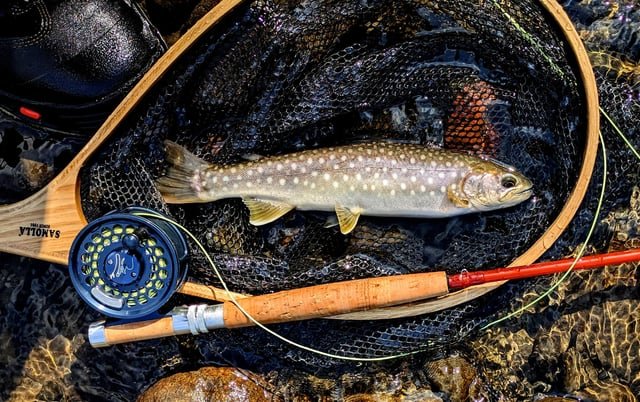
  In September 2006 Oregon officials carried out a large scale treatment of Diamond Lake after an invasive fish species caused the lake’s trout fishery to collapse and contributed to recurring water quality problems. The invasive fish, tui chub, is a minnow that is not native to Diamond Lake and was believed to have been illegally introduced as live bait. By 2006, officials estimated the population had reached about 90 million young fish and 8 million adults. The chub competed with rainbow trout for food and consumed large quantities of zooplankton, disrupting the lake’s food web. Their presence also contributed to conditions that encouraged harmful algae blooms, leading to repeated water-contact advisories during the early 2000s. Diamond Lake had been a popular trout fish...
Queensland $741 Million Housing Programme Improves Flood Resilience

Queensland $741 Million Housing Programme Improves Flood Resilience

Breaking News
  An independent evaluation has found that Queensland’s $741 million Resilient Homes Fund helped thousands of homeowners strengthen their homes against future floods following the devastating 2021–22 Southern Queensland floods. The programme offered three voluntary options: home buy backs, raising homes and resilient retrofits. As of December 8, 2025, it had received 6,558 registrations of interest, with 685 home buy back contracts settled, 341 home raising grants completed and 805 resilient retrofit grants completed. The evaluation found that the programme helped homeowners better understand flood risks, implement resilience measures and recover from disasters. Many participants also reported greater confidence in their homes’ ability to withstand future flooding. Researc...
Climate Change Raises Food borne Disease Risks as Warming Extreme Weather Disrupt Food Safety

Climate Change Raises Food borne Disease Risks as Warming Extreme Weather Disrupt Food Safety

Breaking News
  New Delhi: Climate change is increasing the risk of foodborne diseases by altering temperatures, rainfall patterns, water quality and agricultural practices. Foodborne diseases occur when people consume food contaminated by bacteria, viruses, parasites or harmful substances such as mycotoxins, pesticide residues and heavy metals. The World Health Organization estimates that foodborne diseases cause around 866 million cases and 1.52 million deaths globally each year. Rising air and water temperatures can create conditions that allow disease causing organisms to multiply and spread more rapidly. Salmonella, for instance, has been linked to higher temperatures, which can accelerate bacterial growth. Changes in rainfall and farming practices can also affect the movement of pathoge...
Grass Carp Help Florida Lake Cut Invasive Hydrilla from 95% to Below 1%

Grass Carp Help Florida Lake Cut Invasive Hydrilla from 95% to Below 1%

Breaking News
New Delhi: Florida wildlife managers successfully used grass carp to control a severe infestation of hydrilla, an invasive aquatic weed in Lake Baldwin in the Orlando area, reducing the plant coverage from about 95% of the lake to less than 1%. According to a documented case study cited by the Times of India, the treatment cost about $8,499, or roughly $43 per acre. The result has made Lake Baldwin a notable example of biological control being used against invasive aquatic vegetation. Hydrilla is not native to Florida and spread through the state's waterways after entering the aquarium trade. The rapidly growing plant can form dense mats near the water surface, displacing native vegetation and obstructing boating, swimming and fishing. To control the weed, managers introduced gras...
WMO Invites Youth Led Projects to Tackle Flood and Drought Risks

WMO Invites Youth Led Projects to Tackle Flood and Drought Risks

Breaking News
  The World Meteorological Organization (WMO) has opened submissions for its Global Integrated Flood and Drought Management Competition for Youth Led Projects 2026–27, seeking innovative ideas that can strengthen disaster resilience and advance early warning systems. The initiative comes as floods and droughts become more frequent and severe in many parts of the world threatening lives, food and water security and putting additional pressure on vulnerable communities. The programme aims to give young people a greater role in developing practical solutions to these challenges. Two Projects to Receive CHF 3,000 Each The competition will select two youth led initiatives, with each winning project receiving a prize of CHF 3,000. Selected project leaders will have nine months t...
Nigeria Flood Forecasts Need to Trigger Early Action to Save Lives and Livelihoods

Nigeria Flood Forecasts Need to Trigger Early Action to Save Lives and Livelihoods

Breaking News
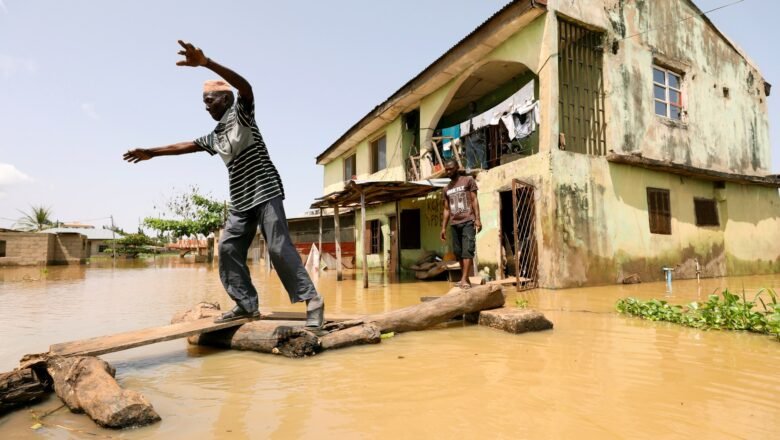
  Nigeria has improved its ability to forecast floods, but many vulnerable households still struggle to turn warnings into timely protective action. A new analysis focusing on Kogi State highlights the “last-mile” gap between receiving a flood warning and having the resources and support needed to respond. In 2026, the Nigeria Hydrological Services Agency (NIHSA) identified more than 14,000 communities across 33 states and the Federal Capital Territory as being at risk of flooding. In Kogi State, 10 local government areas were placed on high alert. The Nigeria Meteorological Agency (NiMet), NIHSA, the National Emergency Management Agency (NEMA) and state authorities have strengthened coordination and forecasting. However, warnings alone cannot protect families that lack the m...
Indonesia Peatland Restoration Reduced Wildfire Risk During El Nino

Indonesia Peatland Restoration Reduced Wildfire Risk During El Nino

Breaking News
  Restoring degraded peatlands in Indonesia reduced wildfire hotspots by up to 22% in restored areas during the 2019 El Niño. Indonesia’s peatland fires have repeatedly intensified during El Nino related droughts, with major fire seasons recorded in 2015, 2019 and 2023. The 2015 fires burned around 2.6 million hectares and caused billions of dollars in economic losses. Researchers compared restored and unrestored peatlands in Sumatra and Kalimantan. They found that rewetting measures, including canal blocking and deep wells, helped reduce fire risk across nearly 4,000 square kilometres of effectively restored peatland. Deep wells were generally more effective because pumped water could directly rewet dry peat and help fight fires. Canal blocking can also work but requires sui...
Cement Based “Sweating ” Paint keeps Buildings More Than 4.5°C Cooler

Cement Based “Sweating ” Paint keeps Buildings More Than 4.5°C Cooler

Breaking News
  Researchers at Singapore’s Nanyang Technological University have developed a cement based paint that cools buildings by absorbing and evaporating water, similar to how human sweat cools the body. Called CCP-30, the paint combines three cooling mechanisms: reflecting sunlight, releasing heat as infrared radiation and evaporating stored moisture. It contains a porous cement like material that can hold water and gradually release it through evaporation. In tests, a model house coated with CCP-30 remained nearly 4.5°C cooler than houses covered with conventional white paint and a commercial cooling coating. The paint reportedly reflected 88%–92% of sunlight and could hold water equivalent to about 30% of its own weight. The researchers also tested the coating on model houses...
Drier Monsoon May Bring Higher Disaster Risks Across Hindu Kush Himalaya in 2026

Drier Monsoon May Bring Higher Disaster Risks Across Hindu Kush Himalaya in 2026

Breaking News
  The Hindu Kush Himalaya region could experience a below normal monsoon in 2026, but scientists warn that lower rainfall will not necessarily mean lower disaster risk. The Hindu Kush Himalaya Monsoon Outlook 2026, released by ICIMOD, forecasts below normal rainfall across parts of Bhutan, India, Nepal and Pakistan, along with above normal temperatures across much of the region. Scientists caution that long dry spells followed by short periods of intense rainfall could increase the risk of flash floods and landslides, particularly in mountainous areas. Erratic rainfall could also worsen drought conditions and put additional pressure on water resources. Rising temperatures and weaker snow cover add to water stress Warmer conditions are expected to increase heat stress an...